





The Promise and The Problem
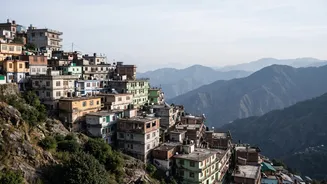
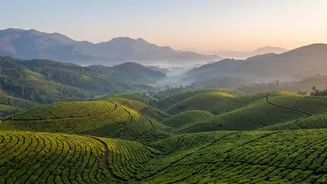
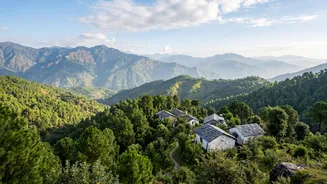
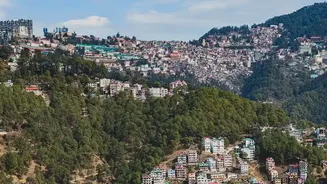
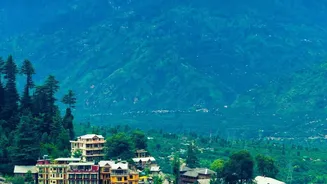
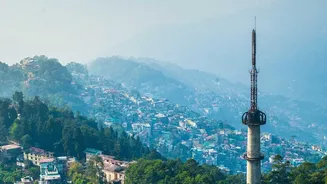
Shimla, Manali, Mussoorie, Darjeeling—the names evoke images of misty mornings, cool mountain air, and a peaceful escape from the bustling plains. For generations, these towns have been cherished retreats. Today, however, that charm is under threat. The
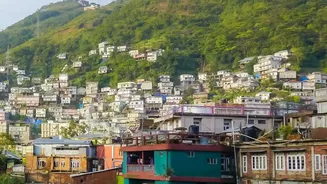
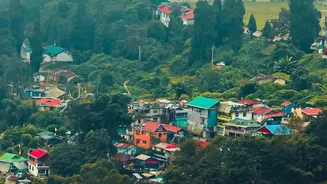
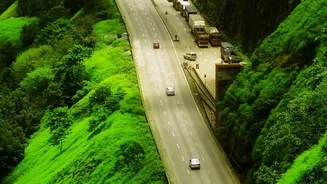
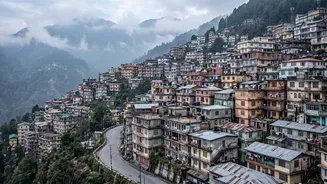
very popularity that made them famous is now the source of their potential demise. Visitors arrive seeking tranquility but are often met with bumper-to-bumper traffic, overflowing dustbins, and the constant noise of construction. A recent surge in domestic tourism has pushed these fragile ecosystems to their limits, turning idyllic getaways into overcrowded, polluted towns. The 'lost charm' is not just a feeling; it is the visible symptom of a deep-seated crisis.
Exceeding The Limit: The Carrying Capacity Crisis
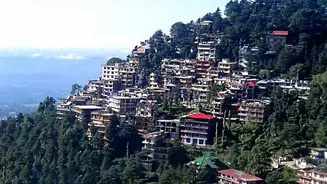
Recent findings and expert reports point to a critical concept: 'carrying capacity'. This is the maximum number of people an environment can sustainably support without causing degradation. Many Indian hill stations have far exceeded this limit. Shimla, a city built for a population of 25,000, now grapples with the needs of hundreds of thousands of residents and a massive seasonal influx of tourists. This leads to predictable, cascading failures. Water shortages become common, especially during peak tourist season, as local springs and reservoirs cannot cope with the demand. Waste management systems, designed for much smaller populations, are overwhelmed, leading to garbage-choked slopes and polluted water sources. The infrastructure, from roads to sewage lines, is under immense strain.
What the Latest Findings Suggest
Recent studies paint a stark picture. A NITI Aayog report highlighted that the number of tourists in the Indian Himalayan Region (IHR) was projected to more than double to 240 million by 2025 from a base of 100 million, creating huge challenges for waste and water management. Reports following the land subsidence crisis in Joshimath concluded that the disaster was largely man-made, a result of unplanned development far beyond the area's bearing capacity. Studies have shown that some parts of Joshimath have been sinking progressively for years, a process exacerbated by construction and water seepage. Experts have repeatedly warned that rampant, unregulated construction on fragile slopes destabilises the terrain, increasing the risk of landslides. These findings are not isolated; they represent a systemic issue across the Himalayas, where economic incentives often override ecological warnings. Several studies on the carrying capacity of towns like Manali and McLeodganj have recommended halting new construction, but enforcement has been weak.
The Unseen Costs of Overtourism
Beyond the visible strain on infrastructure, overtourism inflicts deeper damage. The constant demand for more hotels, resorts, and roads leads to deforestation and the loss of natural landscapes. This doesn't just spoil the view; it destroys wildlife habitats and disrupts fragile ecosystems that are crucial for the region's health. The influx of tourists also impacts local communities. While tourism provides income, it often leads to the commercialisation of culture, where authentic traditions are replaced by packaged experiences for visitors. The cost of living rises, sometimes pushing out local residents, and the social fabric of these mountain communities is altered, often permanently.
Is There a Path to Recovery?
The situation is critical, but not without hope. There is a growing consensus on the need for sustainable solutions. Experts and government bodies like NITI Aayog have proposed several measures, including introducing a 'green cess' or tourist fees to fund environmental protection and infrastructure upgrades. The concept of setting visitor caps or quotas during peak seasons to manage footfall is gaining traction. Promoting eco-tourism and developing new, lesser-known destinations could help distribute the tourist load away from overburdened towns. Bhutan's model of 'High Value, Low Volume' tourism is often cited as a successful example of balancing economic benefits with conservation. Ultimately, the path forward requires a fundamental shift in mindset from unchecked growth to responsible, regulated tourism that prioritises the long-term health of the mountains.