





What the New Study Found
A large-scale prospective study using data from the UK Biobank has found a significant association between the consumption of ultra-processed foods and the risk of developing atherosclerosis. Atherosclerosis is the medical term for the hardening and narrowing
of your arteries caused by the build-up of plaque, which can lead to serious cardiovascular events like heart attacks and strokes. The research, which followed over 133,000 participants, showed that individuals who ate the most UPFs had a notably higher risk of atherosclerosis compared to those who ate the least. Specifically, those in the highest consumption group had up to a 29% increased risk. This adds to a growing body of evidence linking high UPF intake to negative health outcomes, including cardiovascular disease and all-cause mortality.
Understanding 'Ultra-Processed'
The term 'ultra-processed' can be confusing. It comes from the NOVA food classification system, which categorises foods by their level of industrial processing. Unprocessed or minimally processed foods are things like fruits, vegetables, eggs, and meat. Processed foods have been altered for preservation or taste, like canned vegetables, cheese, or freshly baked bread. Ultra-processed foods, however, are industrial formulations made mostly from substances extracted from foods or synthesised in labs. Think packaged snacks, sugary cereals, instant noodles, many frozen meals, and soft drinks. They often contain long lists of ingredients, including additives to enhance flavour, texture, and shelf-life, with very few whole foods involved.
Why Overall Diet Quality Is the Real Story
Here’s the crucial context: a diet high in UPFs is almost always a diet that is low in overall quality. People who consume a lot of UPFs tend to eat fewer whole foods rich in fibre, vitamins, and minerals. Instead, their diets are often high in added sugar, unhealthy fats, and sodium—all well-established risk factors for heart disease. So, is the problem the 'processing' itself, or the poor nutritional profile of these foods? Most nutrition experts argue it is the latter. The issue may not be that a food is ultra-processed, but that most UPFs are simply not nutritious. Labelling a food as 'good' or 'bad' based on a single category can be overly simplistic and distract from the bigger picture.
Not All Processed Foods Are Created Equal
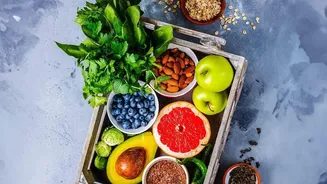
It's important not to fear all forms of processing. Tinned beans, whole-grain bread, and plain yoghurt are technically processed, but they can be valuable parts of a healthy diet. The key difference lies in the nutritional value and the displacement of whole foods. A diet built around convenient, hyper-palatable UPFs often leaves little room for nutrient-dense options like fruits, vegetables, legumes, and whole grains. The consistent advice from health bodies is to focus on dietary patterns. A Mediterranean-style diet, for example, is consistently linked with better heart health, and its strength comes from the combination of many healthy foods, not the exclusion of one single category.
A Practical Path to Healthier Eating
Instead of getting caught up in the 'UPF' label, a more constructive approach is to focus on what you're adding to your diet. Aim to build a dietary pattern that is primarily based on whole and minimally processed foods. Read ingredient lists; if it's long and full of substances you don't recognise, it's a good sign to consume it less often. The goal isn't perfection or the complete elimination of convenience foods. Rather, it’s about shifting the balance. Cook more at home when you can, prioritise fruits and vegetables in every meal, and choose snacks like nuts or fruit over packaged cakes and chips. This new study serves as another strong reminder that food choices matter, but the most powerful choice is to cultivate a healthy overall eating pattern for the long term.