






Why Your Body Prefers a Steady Supply
Think of your body as a construction site that’s open 24/7. Muscle repair, immune function, and maintaining healthy skin and hair are ongoing projects. Protein provides the essential building blocks, called amino acids, for this work. When you eat a huge
portion of protein in one go—like a big chicken curry for dinner—you deliver a massive shipment of these blocks all at once. Your body uses what it can and the excess is often redirected for energy or stored as fat. In contrast, spreading your protein intake across several meals provides a steady, manageable supply of amino acids throughout the day. This strategy, often called 'protein pacing', ensures the construction crew always has materials on hand, leading to more efficient muscle repair and growth.
The 20-Gram Rule for Maximum Impact
So, how much protein should you aim for at each meal? Most research points to a 'sweet spot' of around 20 to 40 grams. This amount is generally enough to signal your body to kickstart muscle protein synthesis—the process of rebuilding muscle. Consuming protein in these spaced-out doses is more effective than having one meal with 80 grams and very little in others. This doesn't mean anything over 40 grams is wasted, but hitting that 20-gram target multiple times a day is a smart goal for the average person. It helps maintain stable energy levels, regulates appetite, and ensures your body is consistently in a state of repair and recovery.
India’s Wallet-Friendly Protein Champions
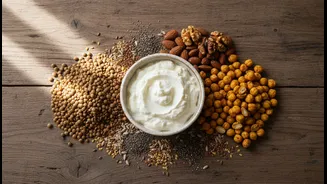
You don't need expensive powders or imported meats to meet your protein goals. The Indian kitchen is already full of affordable, high-quality options. Soya chunks are the undisputed budget king, offering a massive protein punch for a very low cost. Lentils like moong, masoor, and chana dal are the backbone of Indian protein intake, providing around 22-25 grams of protein per 100 grams. Eggs are another powerhouse, offering highly bioavailable protein for just a few rupees each. Peanuts, often enjoyed as a simple snack, are also a fantastic source. For vegetarians, dairy products like homemade curd (dahi) and paneer are excellent choices to round out your daily intake.
Putting It All Together: A Sample Day
Making this work in practice is simpler than it sounds. It’s about structuring your existing food habits. Here is what a day of smart protein pacing could look like: Breakfast: Start your day with a moong dal chilla or a bowl of sprouted moong to break your overnight fast and kickstart muscle maintenance. This provides a solid protein base. Lunch: Your regular meal of roti, sabzi, and a generous katori of chana dal or rajma easily helps you hit your midday protein target. Afternoon Snack: Instead of reaching for biscuits, a handful of roasted peanuts or a bowl of curd can provide a valuable protein bridge to your next meal. Dinner: A light curry made with paneer, tofu, or eggs ensures your body has the nutrients it needs for overnight repair, without feeling overly full.
Common Protein Mistakes to Avoid
One of the most common pitfalls is saving most of your protein for dinner. Many people have a carb-heavy breakfast and lunch, thinking they can make up for it with a large protein serving at night. As we've seen, this approach is less effective because the body can't store protein for later use in the same way it stores carbs or fat. Another myth is the need for a protein shake within a 30-minute 'anabolic window' after a workout. Modern science shows this window is much wider, likely several hours, especially if you've eaten earlier in the day. Your total daily intake and consistent spacing matter far more than rushing for a post-gym shake.