




Have you ever wanted to name a spaceship? The UK Space Agency is offering that chance, seeking a name for its pioneering mission to clean up space. But this isn't just for fun; it's a critical task to protect our future in orbit.
Our Crowded Skies
Low Earth Orbit, the invisible
highway where thousands of satellites live, is becoming dangerously crowded. For decades, we have launched rockets and satellites, but not everything comes back down. The result is a growing junkyard of defunct spacecraft, spent rocket stages, and tiny fragments from past collisions. There are hundreds of thousands of tracked objects, and potentially millions of smaller, untraceable pieces. Even a fleck of paint travelling at over 28,000 kilometres per hour can hit an active satellite with the force of a projectile, causing catastrophic damage. This threatens the satellites we rely on for GPS, weather forecasting, banking, and communications. Scientists warn of a potential 'Kessler Syndrome', a chain reaction where one collision creates more debris, leading to more collisions, until orbit becomes unusable.
The UK's Cosmic Clean-up Crew
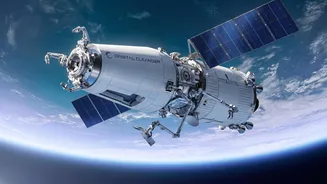
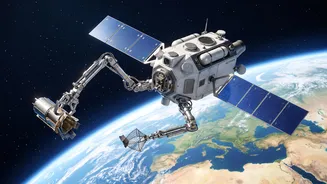
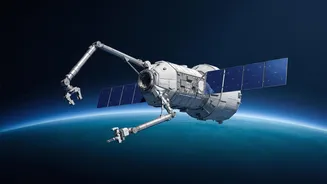
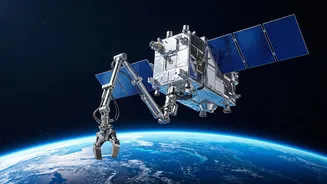
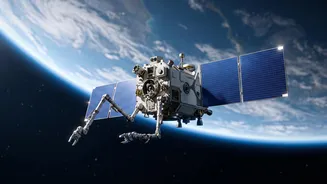
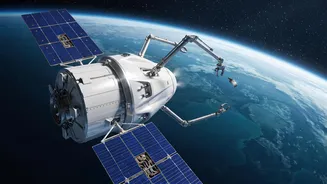
The UK's Active Debris Removal (ADR) mission is a world-first effort to tackle this problem head-on. With over £60 million in government backing, the mission represents a major investment in the future of space sustainability. Developed in partnership with the Swiss-based company ClearSpace, a special spacecraft will be built in the UK, featuring advanced robotics and autonomous navigation. The plan is to launch from the Saxavord Spaceport in Scotland in 2029. Once in orbit, the spacecraft will use giant robotic claws to hunt down, grab, and de-orbit two defunct UK-licensed satellites that were not designed to be captured. It will guide them into a lower trajectory where they will safely burn up in Earth's atmosphere, leaving the orbital highway a little cleaner.
A Mission in Need of a Name
This is where the public comes in. The UK Space Agency has opened a competition for UK residents to give this historic spacecraft a name. The contest runs until 10 December 2026, and the winning entry will be etched onto the side of the spacecraft and featured on the official mission patch. Submissions should be no more than two words and include a short, 150-word explanation of how the name reflects the mission's theme of keeping space clean and safe. The agency is encouraging creativity, suggesting names could be inspired by famous people, mythology, or even words from other languages. Predictably, the British public has already flooded social media with humorous suggestions like 'Obi-Wan Cleanobi', 'Mega Maid' (from the movie Spaceballs), and the inevitable 'Spacey McSpaceface' successor, 'Debris McGee'.
The Future of a Sustainable Orbit
While the immediate goal is to remove two satellites, this mission is about proving the technology and building a new commercial industry. The spacecraft is being designed to be refuellable, with the potential for future missions to 'sweep space' for years to come. Successfully demonstrating that we can capture and remove 'uncooperative' debris is a vital step toward creating a sustainable space environment. This capability is essential for the growing market of in-orbit servicing, which includes repairing, refuelling, and relocating satellites to extend their operational lives. By leading this effort, the UK aims to establish itself as a key player in an industry predicted to be worth billions, ensuring that access to space remains safe for generations to come.