





Deconstructing the Classic Chaat
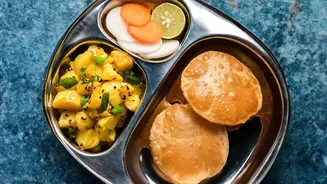
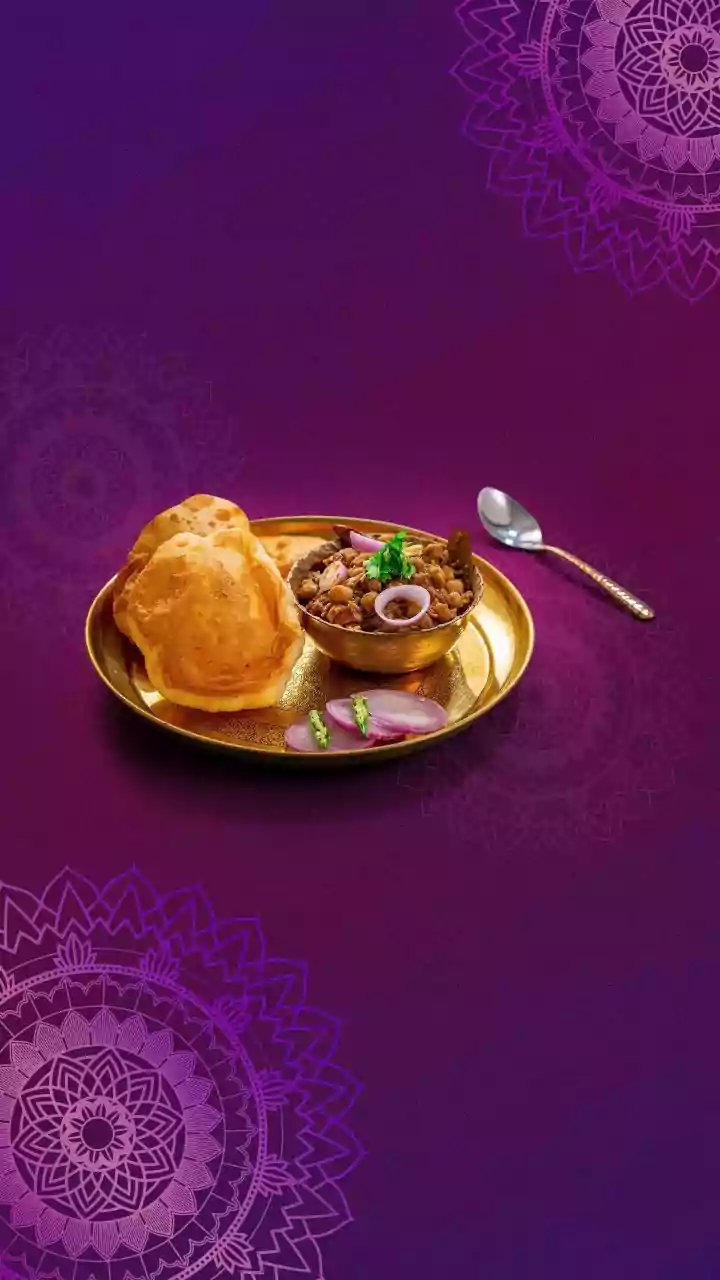
Masala Puri is a culinary icon, especially popular in the state of Karnataka. It's a delightful architectural feat in a bowl. At its base are crushed, crispy puris—the same hollow, unleavened bread rounds used for Pani Puri. Drenched over this crunchy
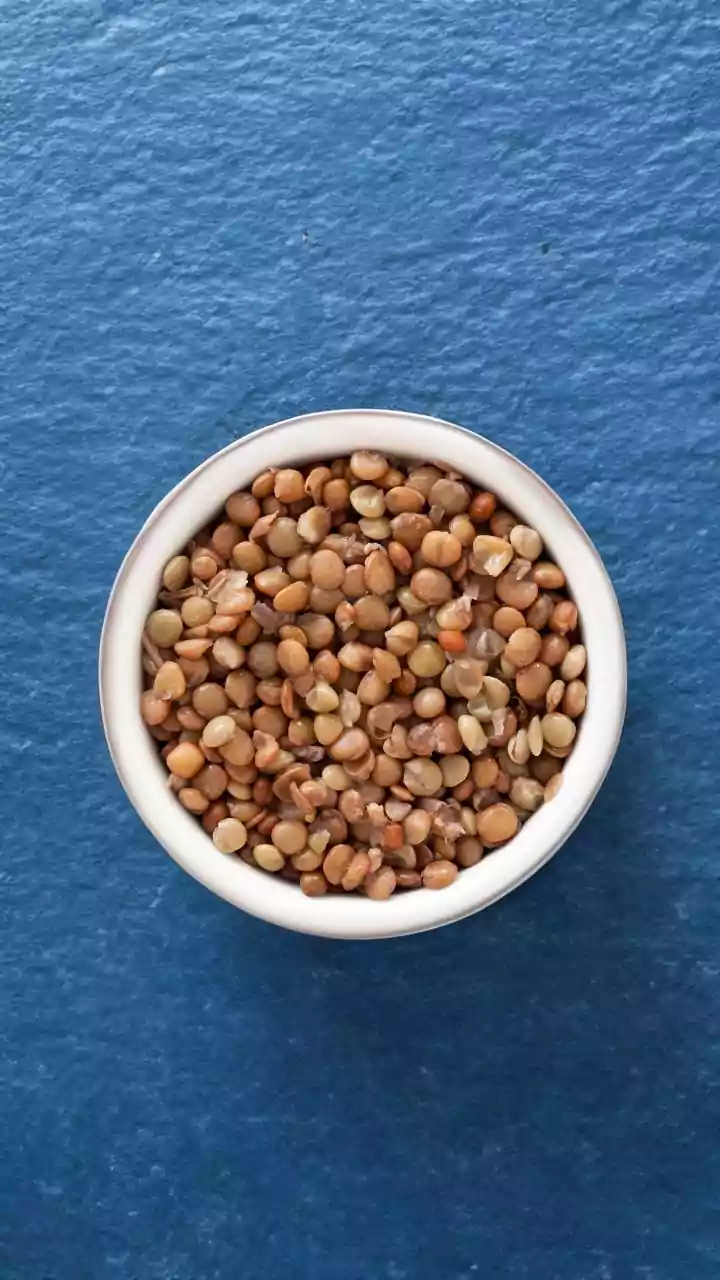
foundation is a hot, flavourful curry, or 'masala', traditionally made from dried green or white peas. This gravy is the heart of the dish, a complex blend of aromatics like ginger, garlic, onions, tomatoes, and a host of spices. The dish is then layered with toppings: finely chopped raw onions and tomatoes, sometimes grated carrots, a drizzle of tangy tamarind chutney, a squeeze of lime, and a generous shower of 'sev'—crispy fried chickpea flour noodles. Every spoonful offers a delightful mix of textures and tastes: crunchy, soft, hot, tangy, and savoury.
From Evening Snack to Morning Meal
Traditionally, Masala Puri is an evening snack, the kind of treat you'd grab from a street vendor after work or during a market trip. The idea of shifting this vibrant dish to breakfast might seem unusual, but it has its own logic. For those who prefer a savoury, bold start to their day, it delivers an unforgettable flavour punch. A warm plate of Masala Puri can feel incredibly satisfying and substantial, a far cry from a simple bowl of cereal. It’s the kind of breakfast that feels like an event, perfect for a lazy weekend or when you’re craving something with more character and kick. The combination of protein from the peas and carbohydrates from the puris provides a burst of energy to start your day.
The 'Indulgence' Factor: A Closer Look
While delicious, there’s a reason Masala Puri is best viewed as an indulgence. The primary concern is the puris, which are typically deep-fried, making them high in fat and calories. The masala gravy, while packed with wholesome peas, can also be prepared with a significant amount of oil. Furthermore, the salt content can be high, and the addition of sweet chutneys can increase the sugar load. While a single serving is a moderate source of protein and fibre, the overall nutritional profile—high in refined carbohydrates and fats—makes it less than ideal for a daily breakfast, particularly for those monitoring their weight or blood sugar.
How to Enjoy It Mindfully for Breakfast
Embracing Masala Puri as a breakfast treat doesn't mean you have to abandon healthy eating habits. The key is moderation and smart preparation. Making it at home gives you complete control over the ingredients. You can bake or air-fry the puris instead of deep-frying them to drastically cut down on fat. When preparing the pea masala, you can be mindful of the amount of oil and salt you use. Loading up on fresh toppings like extra chopped onions, tomatoes, and even grated cucumber or beetroot can increase the fibre and nutrient content. Consider it a special weekend breakfast rather than a daily staple. Pairing it with a simple side of fresh fruit or a glass of unsweetened lassi can also help create a more balanced meal. By making these small adjustments, you can savour this iconic street food as a morning indulgence without the guilt.