


Tired of battling crowds in Europe’s major capitals? The continent is full of serene alternatives. From remote volcanic islands to peaceful alpine valleys, these ten destinations offer a chance to unwind and discover a quieter side of Europe.
The Azores, Portugal
Often called
Europe's Hawaii, this nine-island archipelago in the mid-Atlantic offers a wilder and more tranquil experience. With a landscape defined by volcanic craters, lush green pastures, and dramatic coastal cliffs, the Azores are a paradise for nature lovers. Life here moves at a slower pace, dictated by the weather and the ocean. Instead of bustling cities, you’ll find charming villages, steaming geothermal springs in Furnas, and Europe's only tea plantations. It’s an ideal destination for hiking, whale watching, and disconnecting from the tourist trail.
Puglia, Italy
Located in the 'heel' of Italy's boot, Puglia offers a more authentic and less crowded alternative to popular coastal regions like the Amalfi Coast. This area is known for its distinctive cone-roofed 'trulli' houses, ancient olive groves, and whitewashed hilltop towns like Ostuni. The region boasts two stunning coastlines—the Adriatic and the Ionian—with beautiful sandy beaches and clear turquoise water. Puglia's cuisine is a major draw, celebrated for its simplicity, fresh seafood, and local produce like burrata and orecchiette pasta.
Ghent, Belgium
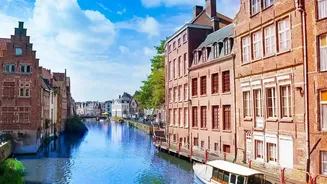
While many tourists flock to Bruges, the nearby city of Ghent offers similar medieval charm with a more vibrant, lived-in feel. Just a short train ride away, Ghent features stunning Gothic architecture, scenic canals, and the imposing Gravensteen castle right in the city centre. Unlike its more famous neighbour, Ghent has a large student population that fuels a lively bar and restaurant scene, offering great value without the long queues. It’s a city that feels both historic and contemporary, perfect for a relaxed and authentic city break.
Triglav National Park, Slovenia
While Lake Bled has grown in popularity, the wider Triglav National Park remains a vast and peaceful haven for outdoor enthusiasts. Home to the Julian Alps, the park is a landscape of dramatic peaks, emerald rivers, and serene alpine lakes like Lake Bohinj. It offers incredible hiking, rafting on the vibrant Soča River, and breathtaking drives over mountain passes. Visiting in the shoulder seasons of late spring or early autumn allows for an even more tranquil experience, with fewer crowds on the trails.
Saaremaa, Estonia
Estonia's largest island, Saaremaa, is a place where time seems to slow down. Reachable by a short ferry ride, the island offers a peaceful escape with its rustic windmills, dense juniper forests, and quiet coastline. The main town, Kuressaare, is home to a magnificent, well-preserved medieval castle. The island’s identity is shaped by its history, local traditions like home-brewed beer and smoked fish, and a deep connection to nature, being part of a UNESCO Biosphere Reserve. It's perfect for cycling, spa visits, and exploring ancient sites.
Picos de Europa, Spain
Often overlooked in favour of Spain's coastal destinations, the Picos de Europa mountain range in the country's north offers some of the most dramatic and unspoiled scenery in Europe. These jagged limestone peaks are a hiker's dream, with famous trails like the Cares Gorge route carving through deep canyons. The area is dotted with remote mountain villages like Bulnes, accessible only on foot or by funicular. Using the town of Potes as a base, you can explore high-altitude plateaus via the Fuente Dé cable car or discover quiet valleys on foot.
The Lofoten Islands, Norway
Stretching into the Norwegian Sea above the Arctic Circle, the Lofoten Islands are a chain of dramatic peaks rising directly from the water. This remote archipelago is known for its breathtaking landscapes, picturesque red fishing cabins (rorbuer), and otherworldly light. Despite their beauty, the islands remain relatively uncrowded outside of the peak summer weeks. Here, you can enjoy hiking, kayaking, searching for the Northern Lights in winter, or simply driving the scenic E10 road that connects the islands, stopping in quiet fishing villages along the way.
Haute-Savoie, France
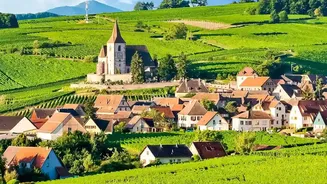
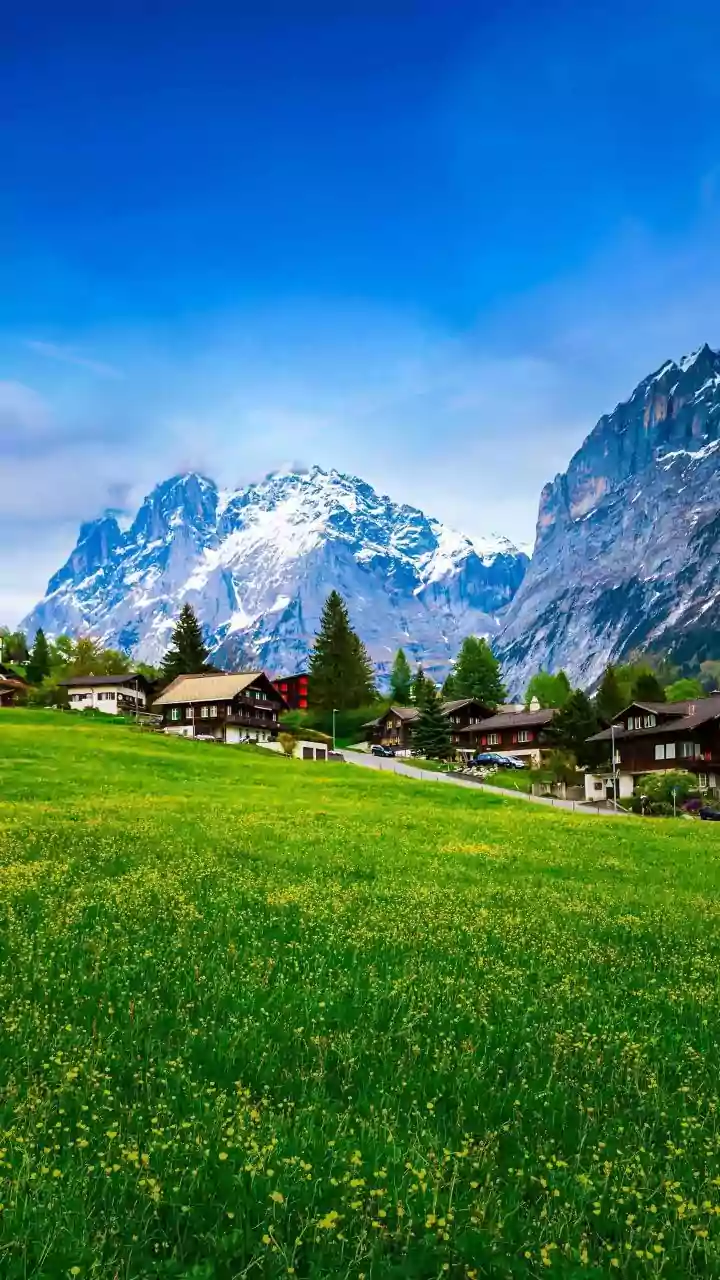
Beyond the bustling ski resorts of Chamonix and Megève, the Haute-Savoie region of the French Alps is home to countless quiet villages and pristine natural landscapes. Places like Sixt-Fer-à-Cheval, listed as one of the 'Most Beautiful Villages of France', are nestled in spectacular valleys surrounded by waterfalls. The areas around Lake Annecy, such as the villages of Talloires and Menthon-Saint-Bernard, offer serene lakeside charm with stunning mountain backdrops, perfect for gentle hikes and peaceful strolls away from the main tourist hubs.
Extremadura, Spain
Bordering Portugal in western Spain, Extremadura is a vast, sparsely populated region that remains largely undiscovered by international travellers. This inland area is a haven for history buffs and nature lovers, home to remarkable Roman ruins in Mérida and the beautifully preserved medieval old town of Cáceres. The landscape is characterized by dehesa woodlands, where Iberian pigs roam, and it contains three biosphere nature reserves. It’s a destination for slow travel, offering authentic Spanish culture, excellent food, and solitude.
The Peloponnese, Greece
While the Greek islands draw the biggest crowds, the Peloponnese peninsula offers a rich tapestry of ancient history, traditional villages, and beautiful coastline with a fraction of the tourists. Explore the legendary sites of Olympia and Mycenae, wander through the Byzantine ghost city of Mystras, or relax in the charming seaside town of Nafplio. The rugged Mani Peninsula in the south is particularly quiet, with its unique stone tower houses and secluded coves, offering a glimpse into a timeless and fiercely independent corner of Greece.