





The Wild Heart of the Brahmaputra Valley
Nestled in India's northeast, Assam is a land of incredible biodiversity. Its national parks, cradled by the mighty Brahmaputra River, are sanctuaries for some of the world's most remarkable creatures. A journey here is more than just a holiday; it's
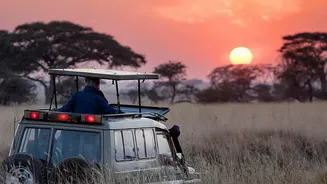
an immersion into ecosystems that are as fragile as they are beautiful. To protect this natural heritage, travel is structured around approved safari routes within designated park zones. These routes are carefully planned to maximize wildlife viewing opportunities while minimizing disturbance to the animals and their habitats, ensuring that tourism supports conservation. This responsible approach makes a trip to Assam's wilderness a truly meaningful adventure.
Kaziranga: Kingdom of the One-Horned Rhino
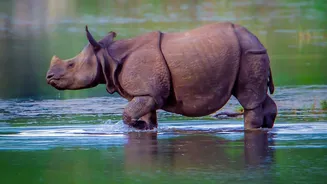
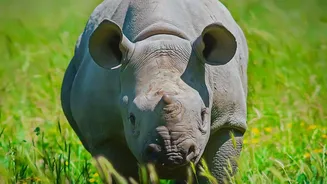
No wildlife trip to Assam is complete without visiting Kaziranga National Park, a UNESCO World Heritage Site. Home to the world's largest population of the greater one-horned rhinoceros, this park is a conservation success story. Kaziranga is divided into four main safari zones: the Central Range (Kohora), Western Range (Bagori), Eastern Range (Agaratoli), and Burapahar. The Central Range is the most popular, offering a classic mix of grasslands and wetlands with frequent rhino sightings. The Western Range is also excellent for spotting rhinos and wild water buffalo, while the Eastern Range, with its vast water bodies, is a paradise for birdwatchers. Sticking to the designated jeep tracks in these zones is mandatory for a safe and respectful viewing experience.
Manas: A World Heritage Site on the Bhutan Border
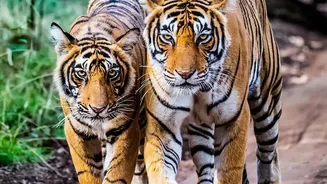
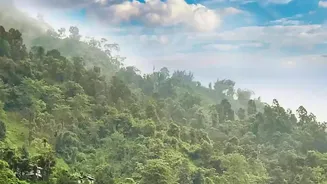
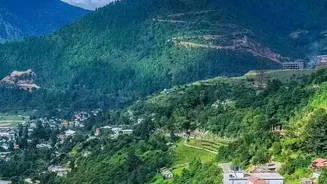
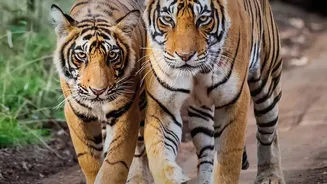
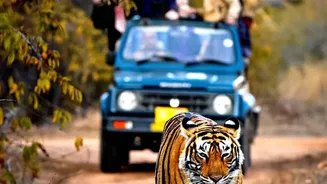
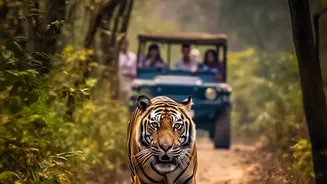
Manas National Park, another UNESCO World Heritage Site, offers a different but equally enchanting experience. Situated in the Himalayan foothills, its landscape is a stunning mix of dense forests, alluvial grasslands, and the clear-flowing Manas River. The park shares a boundary with Bhutan's Royal Manas National Park, creating a vast protected area for wildlife. Manas is a sanctuary for many rare species, including the elusive golden langur, the pygmy hog, and a significant tiger population. Safaris here, primarily by jeep, follow routes through ranges like Bansbari and Bhuyanpara, offering glimpses of this unique biodiversity. The park's remote feel and dramatic scenery make it a truly special destination.
Offbeat Adventures: Nameri and Dibru-Saikhowa
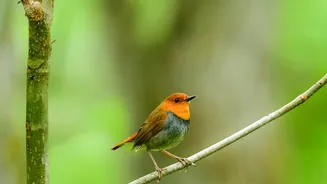
For those looking to venture beyond the main hubs, Nameri and Dibru-Saikhowa National Parks offer unique experiences. Nameri, located at the foothills of the Eastern Himalayas, is a haven for birdwatchers, with over 300 bird species. Unlike other parks, Nameri is explored through nature walks and river rafting on the Jia Bhoroli river, as there are no jeep safaris inside the park core. Dibru-Saikhowa, a biosphere reserve, is a mosaic of wetlands, grasslands, and swamp forests. It's famous for its population of feral horses, descendants of army horses from World War II, and the endangered white-winged wood duck. Exploration here is primarily done by boat, offering a distinct perspective on its riverine ecosystem.
Jeep vs. Elephant Safari: Choosing Your Ride
In parks like Kaziranga and Manas, you can often choose between a jeep and an elephant safari. A jeep safari allows you to cover more ground across a wider area of a park zone, increasing your chances of seeing a variety of habitats and animals. It's also more comfortable and better for photography. The elephant safari, typically offered in the early morning in Kaziranga's Central and Western zones, provides a completely different perspective. The elephant can move through tall grasslands that jeeps cannot access, often getting you remarkably close to rhinos without alarming them. For a comprehensive experience, many travellers opt to do both: an elephant safari at dawn followed by a jeep safari later in the day.
Planning Your Assam Wildlife Trip
The best time to visit Assam for a wildlife safari is from November to April. During these months, the weather is pleasant and dry, and the national parks are fully open to visitors. The parks remain closed during the monsoon season, typically from May to October, due to heavy rains and flooding. It is highly recommended to book your safaris and accommodations well in advance, especially during the peak season from December to February. When visiting, always follow park regulations, maintain a safe distance from wildlife, and avoid making loud noises. Supporting local communities by hiring local guides and purchasing handicrafts helps ensure that tourism benefits the people who live alongside these incredible animals.