








India's Annual Obligation
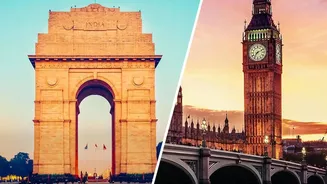
For a significant portion of the Indian population, the period leading up to July 31st is synonymous with one thing: filing Income Tax Returns. It's a massive national exercise involving complex forms, multiple income slabs, and a choice between old and new
tax regimes. The system is progressive, meaning higher earners pay a higher percentage of their income in tax. This revenue is the lifeblood of the nation, funding everything from vast infrastructure projects and defence to public healthcare and education for a population of over 1.4 billion people. The process, governed by the Income Tax Act of 1961, requires taxpayers to declare their income from all sources, claim deductions, and pay their liabilities, a stark contrast to life in the Mediterranean principality.
Life in the Zero-Tax Zone
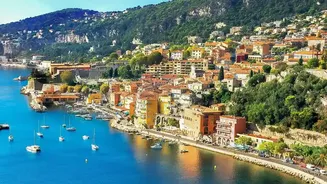
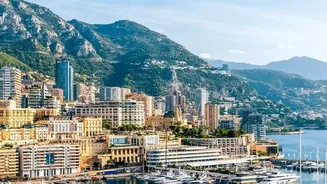
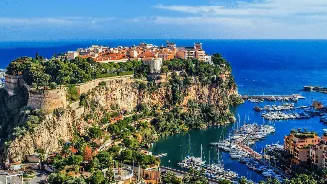
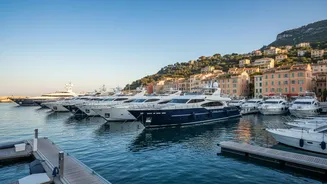
On the French Riviera lies Monaco, a sovereign city-state famous for being a playground for the wealthy. A key reason for its allure is a policy that dates back to 1869: no personal income tax. For most residents, income from salaries, investments, dividends, and capital gains is not taxed by the Monegasque government. This rule, however, comes with a few notable exceptions. French nationals who became residents after 1962 are still required to pay French income tax. Similarly, American citizens find no relief, as the United States taxes its citizens on their worldwide income regardless of where they live. For most other nationalities, establishing residency and proving you live there for a significant part of the year is the key to benefiting from this unique fiscal setup.
If Not Income Tax, Then What?
A common question is how Monaco's government funds itself without levying income tax. The answer lies in a diversified revenue model heavily reliant on indirect taxation and business activities. The largest source of income is Value Added Tax (VAT), which is levied at the same rate as in neighbouring France—a standard 20%. This consumption tax applies to all goods and services. Another major contributor is the corporate profit tax. While Monaco is often called a tax haven, businesses that generate more than 25% of their turnover outside the principality are subject to a 25% tax on profits. The government also earns significant revenue from its stake in state-run monopolies like the famous Monte Carlo Casino, as well as from taxes on real estate transactions and registration duties.
Two Systems, Two Philosophies
The tax systems of India and Monaco reflect their vastly different scales, histories, and social contracts. India's system is built for a massive, developing nation with immense social welfare and infrastructure needs. Progressive income tax is a tool for revenue generation and a means of redistributing wealth to address inequality. The complexity is a byproduct of catering to a diverse economy and a population of over a billion. Monaco, with a population of under 40,000 and one of the highest GDPs per capita in the world, operates on a completely different model. Its system was historically designed to attract foreign wealth after losing most of its territory and agricultural income in the 19th century. It prioritises attracting high-net-worth individuals who then contribute to the economy through consumption (VAT), business activities, and real estate investment.