




An Escape into Raw Nature
Slow travel is about connection, not checklists. In the Nordic countries, this often means immersing oneself in staggering natural landscapes. Smaller towns act as gateways to this experience, offering a peace that city centres cannot. Instead of rushing
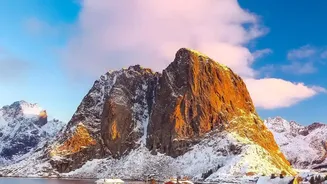
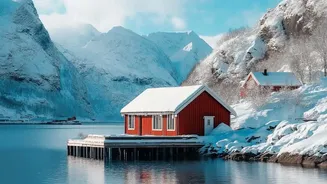
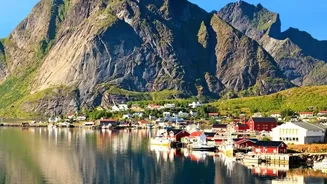
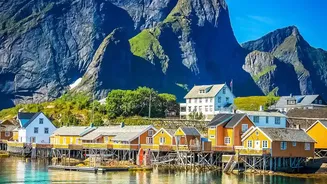
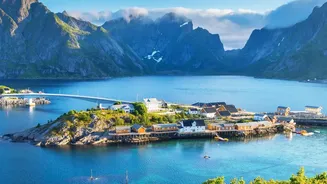
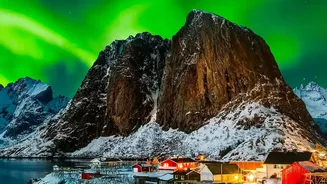
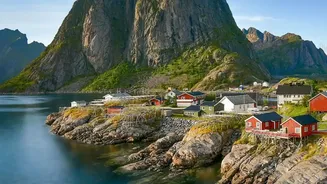
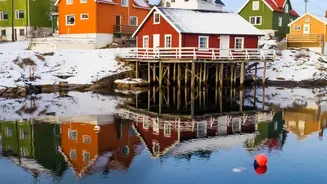
between museums, travellers can spend days hiking, kayaking, or simply breathing in the pristine air. A prime example is Reine, a fishing village in Norway's Lofoten Islands. Surrounded by dramatic granite peaks that plunge into the sea, it offers a profound sense of tranquility. Here, the main attractions are the elements themselves: the shifting light on the mountains, the cry of seabirds, and the rhythm of the tides. Travellers can rent a traditional 'rorbu' (fisherman's cabin), kayak in the Reinefjord, or hike the iconic Reinebringen trail for breathtaking views, making the environment the destination.
Authentic Culture and Local Life
The slow travel ethos prioritises authentic cultural immersion over tourist-centric entertainment. In smaller Nordic communities, this isn't a performance for visitors; it's a way of life. The Danish island of Ærø embodies this perfectly. With its well-preserved 18th-century town, Ærøskøbing, the island feels like a step back in time. Visitors can wander cobbled streets, admire hollyhock-lined cottages, and experience 'hygge' in its natural habitat. The island is known for its commitment to sustainability, with free electric buses and a culture that encourages exploration by bicycle. This slower pace allows for genuine interactions, whether it's buying honey from a roadside 'honesty box' or chatting with locals in a cozy cafe, offering a deeper connection to the Danish way of life.
The Luxury of Simplicity and Space
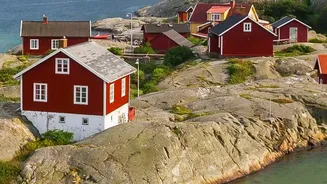
In a world of constant connectivity and over-stimulation, the greatest luxury can be simplicity. Lesser-known Nordic towns offer an escape from the relentless pace of modern life. The Swedish island of Gotland and its main town, Visby, a UNESCO World Heritage site, provide this sense of space and time. While it can be busy in peak summer, visiting in the shoulder seasons reveals its quiet charm. Surrounded by a 3.5-kilometre medieval wall, Visby's narrow lanes, church ruins, and botanical gardens invite unhurried exploration. Slow travellers find joy in simple activities: picnicking in Almedalen park, watching the sea from the old city walls, or simply enjoying a coffee in the main square, Stora Torget. It’s a reminder that a fulfilling travel experience doesn't require a packed itinerary, but rather the time and space to simply be.
Sustainable and Mindful Tourism
Slow travel is inherently more sustainable, as it encourages supporting local economies and reducing one's environmental footprint. Many smaller Nordic towns are at the forefront of this mindset. The Scandinavian approach is often 'a good place to live is a good place to visit', meaning tourism is managed to preserve the local way of life, not disrupt it. By staying longer in one place, travellers distribute their spending among small businesses, from independent guesthouses to local artisans and restaurants. This approach fosters a respectful exchange between visitors and the community. It’s about being a temporary resident rather than a consumer, contributing to the town's vitality while gaining a more meaningful experience. This aligns with a core Nordic value: a deep respect for community and nature.