





An Unexpected Summer Extension
The main mango season, typically peaking from April to June, has long been a celebrated time in India. However, a recent and strategic push is ensuring the 'king of fruits' continues its reign well into August. In late July, the Agricultural and Processed
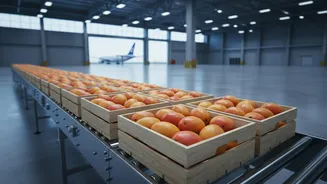
Food Products Export Development Authority (APEDA) facilitated the first-ever air shipment of late-season mangoes from Karnataka to the Maldives. This inaugural consignment consisted of one metric tonne of the Neelam and Totapuri varieties, sourced directly from farmers in the Kolar district. This move signals a significant effort to promote Karnataka's unique horticultural offerings on the global stage and to strategically lengthen India's mango export window.
The Late-Season Stars: Neelam and Totapuri
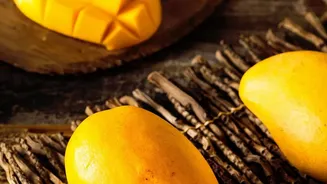
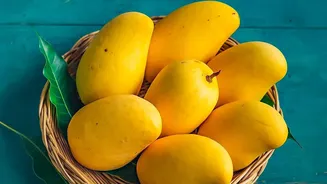
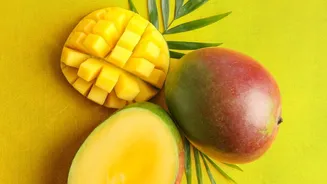
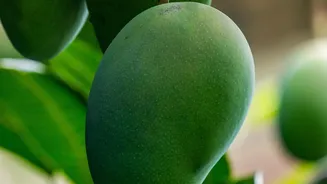
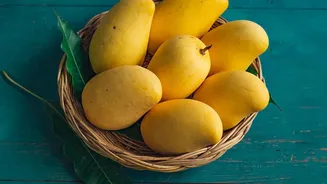
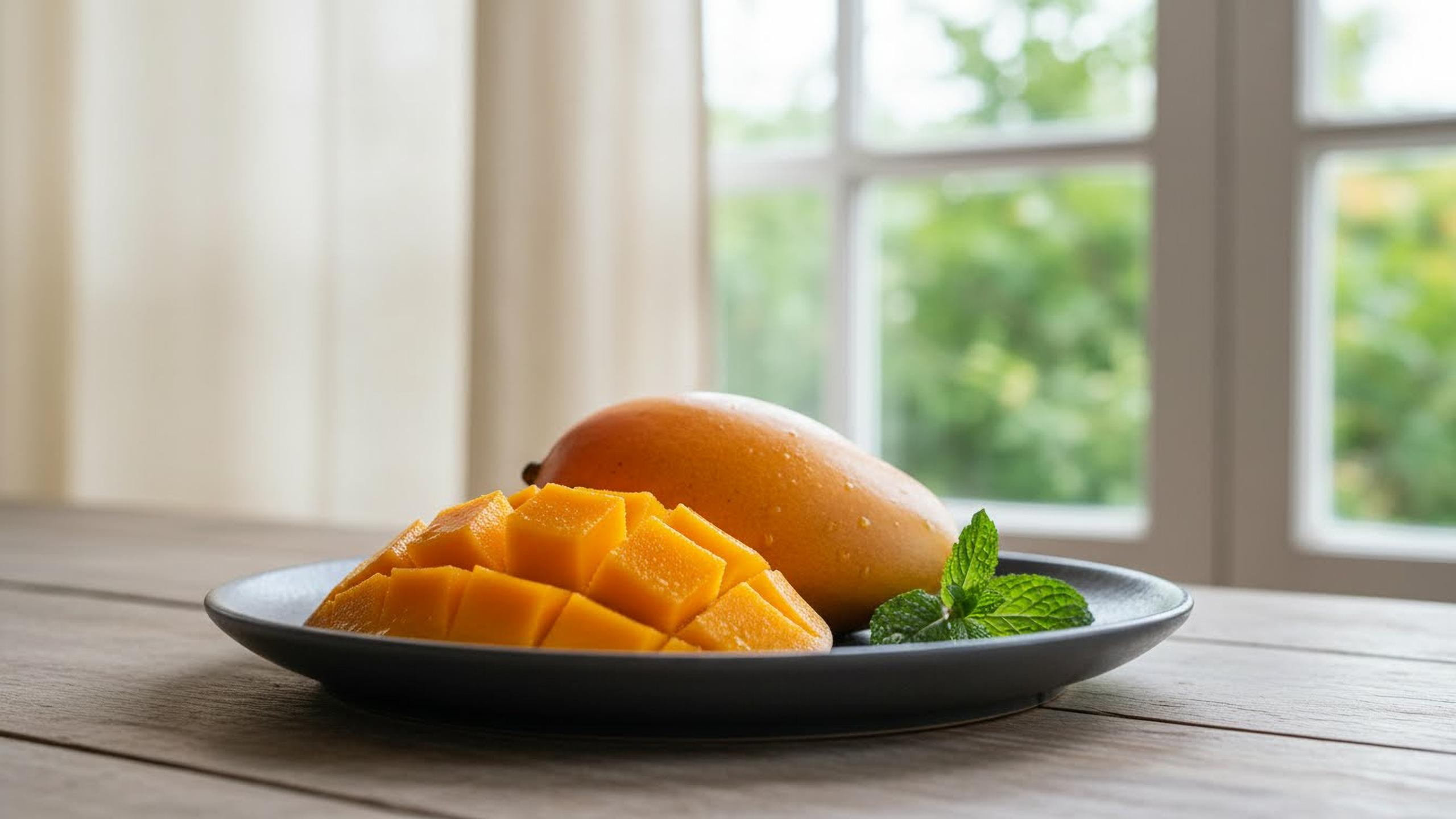
While varieties like Alphonso and Kesar dominate the early-season headlines, the success of this new export push rests on the qualities of Neelam and Totapuri mangoes. These varieties are typically harvested from late June through July, a period when the supply of other premium mangoes has dwindled. Neelam is prized for its sweet, juicy pulp and rich aroma, making it ideal for desserts and beverages. Totapuri, easily recognizable by its distinct shape, offers a popular sweet and tangy flavour that is versatile for both fresh eating and processing into juices and pulps. Their hardiness and suitability for transport make them excellent candidates for air shipment, allowing them to arrive in distant markets in prime condition.
A Boost for Farmer Incomes
This initiative is more than just a logistical achievement; it represents a significant economic victory for the farmers involved. The consignment was sourced from growers associated with the Prakruthimaya Farmers Producer Company (FPC) in Kolar. By connecting directly with an exporter and bypassing multiple intermediaries, these farmers realised returns over 50% higher than what they would typically earn in conventional domestic markets. This direct farm-to-export model helps mitigate the issue of falling prices that often occurs during peak harvest gluts, providing a more stable and lucrative income stream. APEDA Chairman Abhishek Dev noted that such initiatives are crucial for enhancing market access and contributing to sustainable income growth for farmers.
The Power of Collaboration
The success of this first shipment was built on a foundation of collaboration. APEDA, operating under the Ministry of Commerce and Industry, played the role of a facilitator, bringing together various stakeholders. The Prakruthimaya FPC was instrumental in aggregating the produce and ensuring quality standards were met. The export itself was handled by M/s Ahalya Devi Ventures, a company led by a newly registered woman entrepreneur, highlighting the growing role of women in India's agri-export ecosystem. This partnership demonstrates a powerful model for the future, where Farmer Producer Companies and Organizations can directly link rural producers to lucrative global markets.
Expanding India's Global Fruit Footprint
While this first shipment to the Maldives is a pilot, it holds immense potential. India is the world's largest producer of mangoes, yet a surprisingly small fraction is currently exported. Initiatives like this are key to changing that narrative. By identifying and promoting region-specific, late-season varieties, India can cater to international demand for a more extended period, from the first Alphonso of March to the last Chausa of August. Union Commerce and Industry Minister Piyush Goyal praised the effort, stating that it unlocks new opportunities for Karnataka's growers and enhances their presence in international markets. This strategic diversification of both product and season strengthens India's position as a reliable, year-round source for high-quality horticultural produce.