




The Golden Rule: 6 to 8 Hours a Day
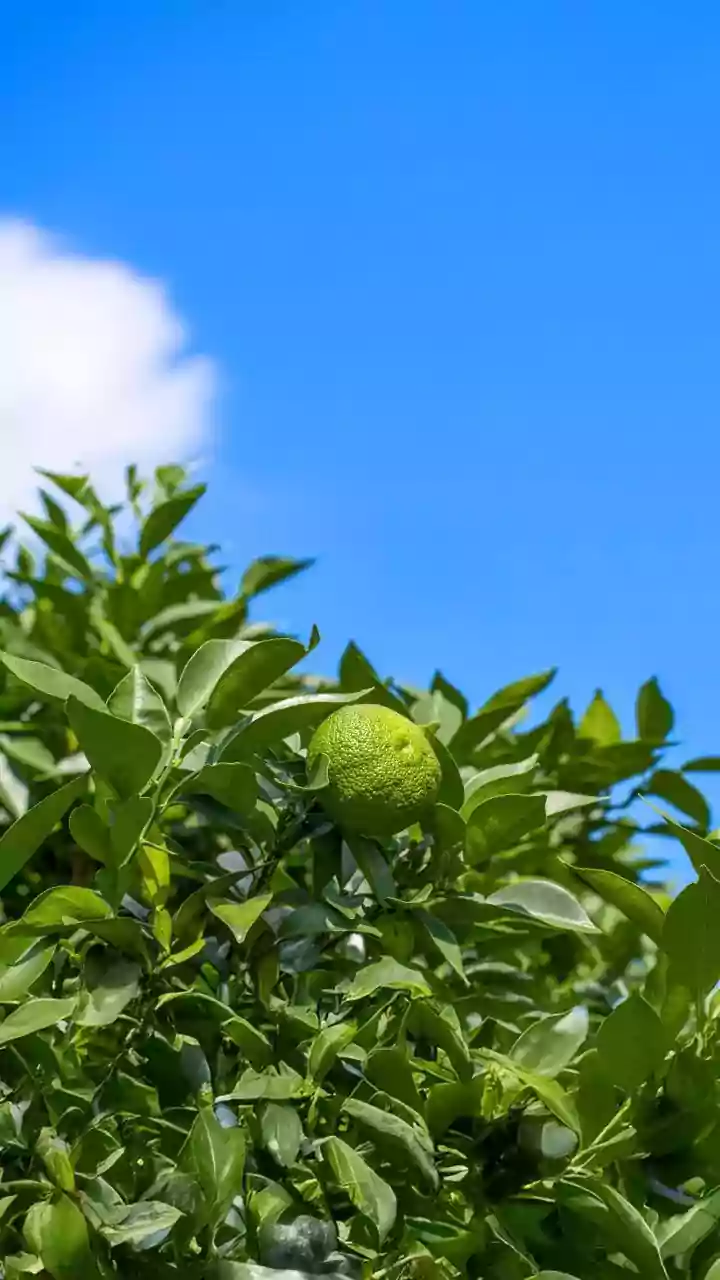
The most fundamental rule for a happy lemon plant is providing it with enough direct sunlight. For your plant to have the energy to produce fragrant flowers and, eventually, juicy lemons, it needs at least six to eight hours of direct sun each day. Some
experts even suggest that eight to twelve hours is ideal for the best results in terms of growth and fruit production. Think of sunlight as the fuel your plant runs on; without enough of it, the plant will survive but is unlikely to ever bear fruit. This applies whether your lemon tree is in a pot on a balcony or planted in a garden.
Direction Is Key: The Best Spot on Your Balcony or in Your Garden
In India, the direction your plant faces makes a significant difference. A south-facing location is generally considered the best spot for a lemon tree. It provides strong, consistent light for most of the day, which is exactly what this sun-loving plant needs to thrive. A west-facing spot is the next best option, as it will receive intense afternoon sun. An east-facing spot can also work, providing gentle morning light, but you'll need to ensure it still adds up to the required six-plus hours. The one direction to generally avoid is north, as it typically receives the least amount of direct sunlight, which is insufficient for a fruit-bearing tree.
Reading the Leaves: Signs of Insufficient Sunlight
How can you tell if your lemon plant is starved for light? The plant itself will give you clear signals. The most obvious sign is a lack of flowers and fruit. If a mature plant isn't blooming, insufficient light is a primary suspect. You might also notice 'leggy' growth, where the stems become long and stretched out with sparse leaves, as the plant reaches desperately for a light source. The leaves themselves may turn a pale green or yellow and might be smaller than usual. Leaf drop is another common symptom of a plant that isn't getting enough energy from the sun.
Too Much of a Good Thing? Spotting Sunburn
Yes, a lemon plant can get too much sun, especially young trees or those exposed to the intense afternoon heat of Indian summers. This condition is known as sunscald or sunburn. Look for yellow, white, or brown patches appearing on the leaves, particularly on the parts of the plant that face the south and west. The leaves might also curl inward at the edges, and in severe cases, the fruit and even the bark can get scorched. This is most common when a plant is moved suddenly into intense sun or during a particularly harsh heatwave.
Smart Solutions for Intense Indian Summers
Protecting your lemon plant from extreme heat is crucial for its health. If your plant is in a pot, one of the easiest solutions is to provide it with morning sun and afternoon shade. You can move the pot to a location where it is shielded from the harshest sun after 2 p.m. Another highly effective method is to use a green shade cloth or net. These are widely available and can be draped over the plant to filter the intense sunlight, reducing the risk of sunburn while still allowing enough light to penetrate. Ensuring the soil is well-mulched and consistently watered during hot periods also helps the plant stay hydrated and resilient against heat stress.
A Note on Vastu and Lemon Plants
For those who follow Vastu Shastra, the placement of a lemon plant holds significance. While Vastu principles can sometimes vary, many sources suggest that placing a lemon tree in the north or east direction of the garden is auspicious and promotes positive energy. Some traditions, however, associate the sourness of the fruit with bitterness and advise against planting it directly in front of the main entrance or in the south-west direction. Interestingly, some Vastu interpretations suggest the west is also a suitable direction. If following Vastu is important to you, the north or east are generally considered safe and beneficial placements.