


Flax Seeds: The Fibre and Omega-3 Boost
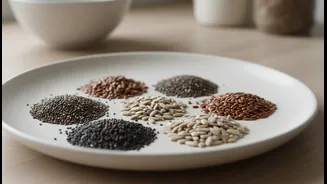
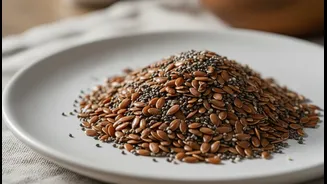
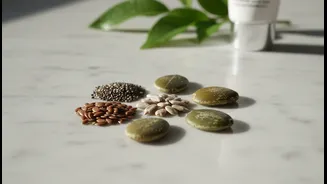
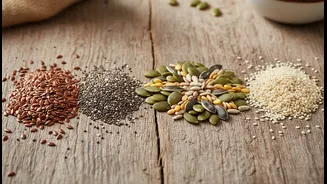
Flax seeds are tiny but mighty, celebrated for their high content of alpha-linolenic acid (ALA), a type of plant-based omega-3 fatty acid. Omega-3s are known for their anti-inflammatory properties, which are beneficial for overall health. These fats help
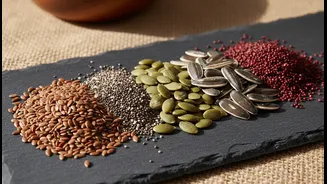
maintain the skin's barrier, keeping it hydrated and protected. Flax is also one of the richest sources of lignans, which are plant compounds with antioxidant qualities that help protect cells from damage. Furthermore, their high fibre content aids digestion and promotes a healthy gut, which is increasingly linked to skin wellness. For the best nutrient absorption, it's recommended to consume flax seeds ground; try adding a tablespoon to your morning smoothie, oatmeal, or yoghurt.
Chia Seeds: Hydration and Nutrient Density
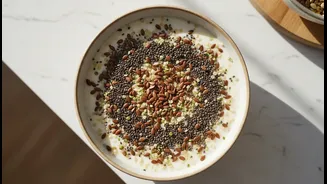
Like flax, chia seeds are an excellent source of omega-3 fatty acids, fibre, and protein. What makes them unique is their ability to absorb up to 12 times their weight in liquid, forming a gel. This property can help with hydration and promote a feeling of fullness, which supports weight management. Nutritionally, a small serving packs a punch with calcium, magnesium, and phosphorus, all contributing to overall health. The combination of fibre, protein, and healthy fats provides sustained energy and supports stable blood sugar levels. Their mild, nutty flavour makes them easy to incorporate into your diet. Add them to puddings, sprinkle them on salads, or mix them into baked goods to boost your nutrient intake.
Sunflower Seeds: The Vitamin E Powerhouse
Sunflower seeds are one of the best natural sources of Vitamin E, a potent antioxidant. Just a small serving can provide a significant portion of your daily requirement. Vitamin E helps protect cells, including skin cells, from damage caused by free radicals from pollution and UV rays. It supports the skin's natural barrier and works to keep it moisturised. These seeds also contain selenium, another antioxidant that helps maintain skin elasticity, and magnesium. Enjoy them as a snack on their own, or sprinkle them over salads and stir-fries for an added crunch and nutritional boost.
Pumpkin Seeds: A Source of Zinc and Magnesium
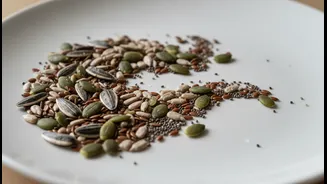
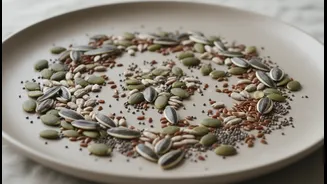
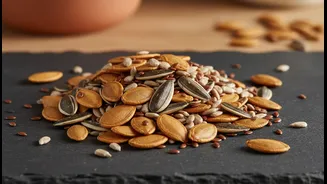
Pumpkin seeds, also known as pepitas, are particularly valued for their high zinc content. Zinc is an essential mineral that plays a crucial role in skin health by supporting cell growth, wound healing, and managing inflammation. Some studies have noted that individuals with acne may have lower zinc levels, suggesting the mineral's importance for skin function. Pumpkin seeds are also rich in magnesium, which is vital for numerous bodily functions, as well as healthy fats and protein. Their robust flavour makes them a delicious addition to soups, baked goods, or as a simple, satisfying snack.
Sesame Seeds: Minerals and Antioxidants
Sesame seeds are a staple in many cuisines and for good reason. They are packed with beneficial minerals like copper, manganese, calcium, and magnesium. They are also a good source of iron and zinc, which are important for immune support and overall vitality. Sesame seeds contain unique lignans called sesamin and sesamolin, which have been studied for their antioxidant properties. These tiny seeds contribute healthy fats and plant-based protein to your diet. To enhance their flavour and nutrient availability, you can toast them lightly before adding them to dishes like salads, vegetables, and noodle bowls.
Why Diet Supports, Not Replaces, a Dermatologist
While a nutrient-rich diet provides the internal foundation for healthier skin, it is not a cure for medical skin conditions. Issues like persistent acne, eczema, psoriasis, and rosacea are complex disorders that often involve genetic, hormonal, and environmental factors. A dermatologist can provide an accurate diagnosis and create a treatment plan that may include prescription topical or oral medications, advanced procedures, and tailored skincare advice. Relying solely on dietary changes for a significant skin problem can delay effective treatment. Think of your diet as a vital supporting player; it helps your body function at its best, but the lead role in treating skin disease belongs to your doctor.