


Decoding the Quarterly Surge
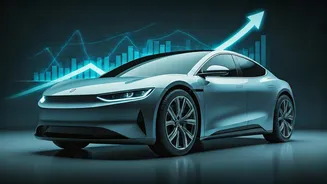
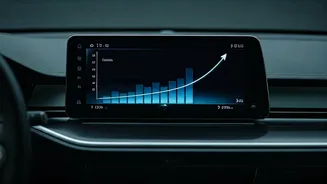
The April-June 2026 quarter has proven to be a landmark period for India's electric passenger vehicle (PV) sector. According to data from the government's Vahan portal, the 82,737 units registered represent a staggering 89.3% year-on-year growth compared
to the 43,710 units in the same period last year. This growth wasn't a fluke; it showed consistent momentum, with monthly registrations climbing steadily from 24,963 in April to 27,320 in May, and culminating in a record-breaking 30,454 units in June. This is the first time the monthly sales figure for electric cars and SUVs has crossed the 30,000 mark. This impressive performance signals that EVs are moving beyond a niche market and are gaining mainstream acceptance among Indian consumers.
The Titans of the EV Arena
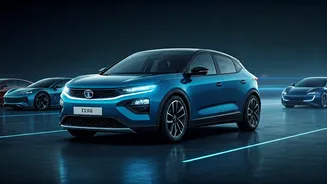
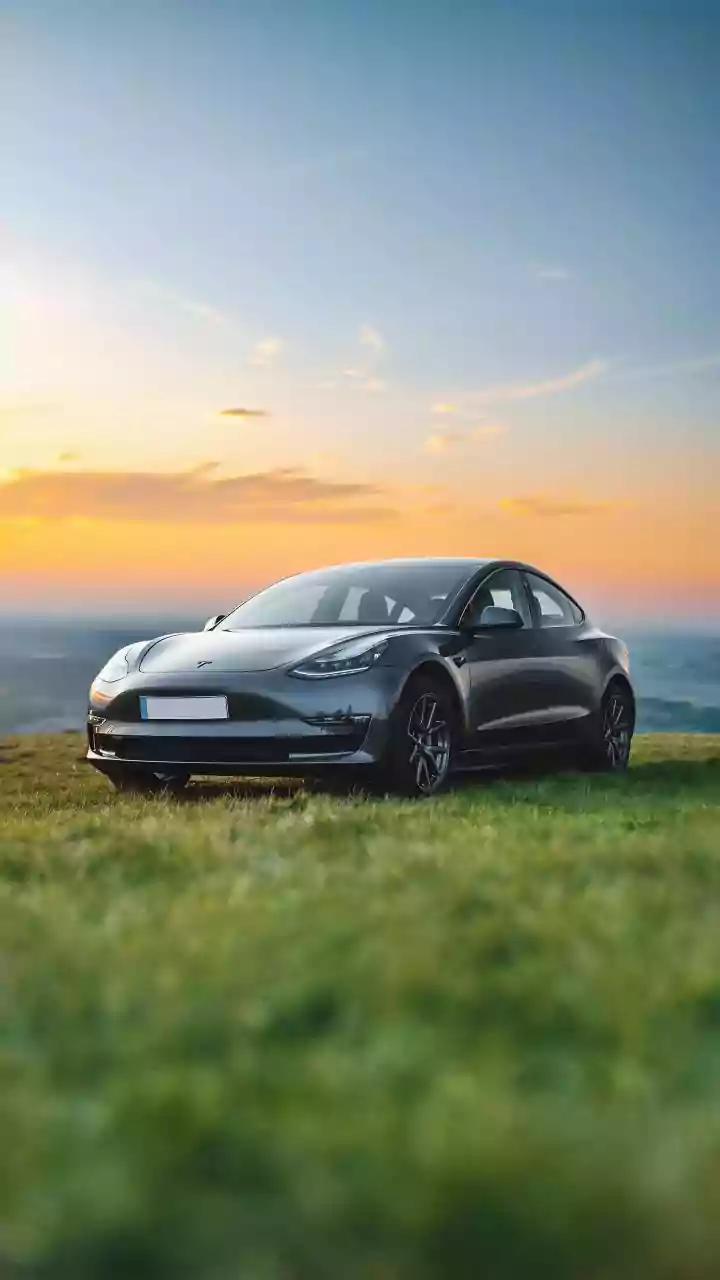
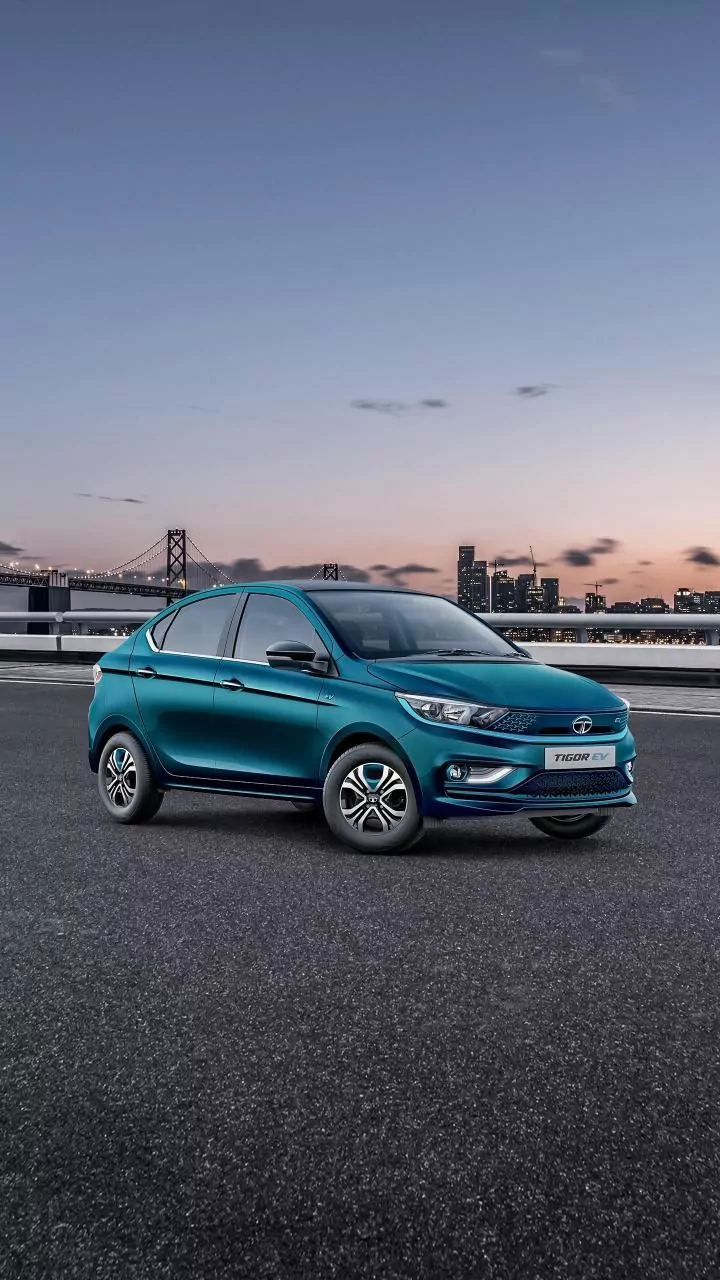
Leading the charge is Tata Motors, which has solidified its number one position. The company more than doubled its registrations, selling 32,283 EVs in the quarter, up from 15,794 the previous year, and capturing a 39% market share. In June alone, Tata sold over 12,000 EVs for the first time. Hot on its heels is Mahindra & Mahindra, which also nearly doubled its volumes to 20,112 units for the quarter, securing a 24.3% market share and signalling a new phase of intense competition. Together, these two Indian giants account for over 63% of the electric passenger vehicle market. Other key players include JSW MG Motor, which came in third with 16,502 units for the quarter, and newcomer Maruti Suzuki, which made an immediate impact by registering 4,894 EVs in its first full quarter of EV sales.
What's Fuelling the Electric Boom?
Several factors are converging to accelerate EV adoption. Industry leaders point to elevated fuel prices, partly due to geopolitical tensions, which have improved the ownership economics of EVs. This has shifted the market from a 'push' to a 'pull,' with consumers now more actively considering electric options. Beyond running costs, the market is maturing. A wider array of models, particularly in the popular SUV segment, is now available. Companies are also addressing consumer concerns with improved vehicle range, lower initial acquisition costs, and lifetime battery warranties. The recent launch of much-anticipated models like the Tata Sierra EV is expected to further boost sales and consumer interest.
Two-Wheelers Also on a Record Pace
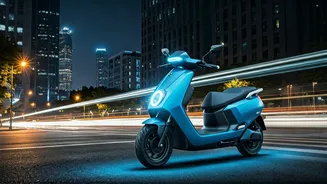
While the passenger car segment is booming, the electric two-wheeler market continues to be the bedrock of India's EV transition. In June 2026 alone, the sector saw nearly 193,000 registrations, a 75% year-on-year increase and the second-highest monthly total on record. For the first six months of 2026, cumulative sales reached over 970,000 units. The competitive landscape here is fierce, with legacy automakers leveraging their vast networks. TVS Motor led the pack in June with nearly 47,000 units, closely followed by Bajaj Auto with over 43,000 units. Ather Energy, Hero MotoCorp's Vida, and Ola Electric also posted strong numbers, though Ola has seen its market share decline compared to the previous year. The sheer volume demonstrates that for daily commuting, electric scooters and motorcycles are increasingly becoming the default choice for millions.