




The Art of the Wall Hanging
One of the most effective ways to make a statement with textiles is to treat them as the art they are. Large pieces like tapestries, quilts, or even striking rugs can serve as a room's focal point, much like a painting. A large woven textile can bring
a natural, grounding vibe to a living room, especially when hung above a sofa or bed. For a more polished look, a traditional hanging rod offers a clean and classic display. This approach not only fills a large, blank wall with colour and texture but also keeps floor space and surfaces clear, perfectly aligning with a minimalist yet expressive aesthetic. Even a vintage silk sari or a beautifully patterned frazada from a memorable trip can be hung using a simple dowel or curtain rod, transforming it into a conversation piece that holds personal history.
Frame Your Memories
For smaller, more delicate textiles, framing is an excellent way to preserve and display them. Think of that heirloom handkerchief from your grandmother, a scrap from a baby blanket, or a beautifully embroidered piece you found at a local market. When framed, these small fragments of memory become stunning visual assets. You can group several framed pieces to create a gallery wall that tells a layered story. Using frames with a mat provides a professional look and helps hide any uneven edges. For a modern twist, acrylic or shadow box frames can add dimensionality, making the texture and details of the fabric pop. This method is particularly effective for protecting fragile or sentimental items from dust and wear while celebrating their beauty.
Drape, Don't Clutter
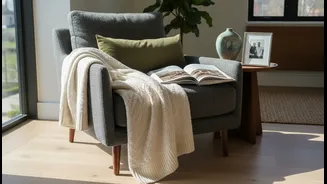
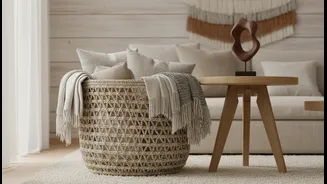
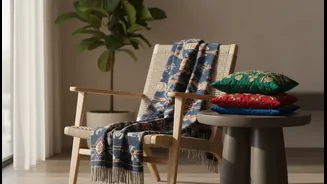
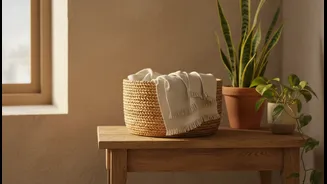
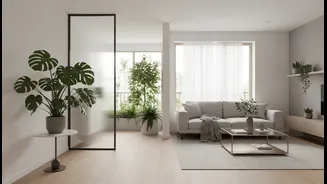
Not every textile needs to be formally hung or framed. The simple act of draping a beautiful piece of fabric can add a soft, textural layer to any room. A colourful quilt folded over the back of a neutral sofa or a lightweight throw draped across an armchair can instantly add warmth and visual interest. You can even use a quilt or a large textile as a unique tablecloth for special occasions. Another creative idea is to use textiles to define spaces. A lightweight, patterned fabric can be hung as a room divider, adding a touch of privacy and artistry to an open-plan area without the permanence of a wall. Display ladders have also become a popular and stylish way to showcase a collection of blankets or quilts, allowing you to rotate them easily while adding a rustic-chic element to your decor.
From Heirlooms to Headboards
Textiles offer wonderfully creative solutions for functional decor. In the bedroom, hanging a large tapestry or a striking rug behind the bed can create a dramatic and soft headboard. This is an especially clever solution for small spaces or rental properties where installing a bulky headboard isn't feasible. All it takes is a mounted curtain rod or dowel to achieve the look. Beyond the bedroom, consider other unexpected uses. A beautiful fabric can be stretched over a plain canvas or plywood board and stapled in place to create custom, inexpensive art panels. This DIY approach allows you to coordinate with your existing colour scheme perfectly and is an excellent way to use up leftover fabric from other projects.
A Note on Care
When displaying treasured textiles, it's important to consider their preservation. Keep them out of direct sunlight, as UV rays can cause colours to fade and fibres to weaken over time. For very fragile or valuable heirlooms, consulting a professional framer who can use UV-protective glass is a wise investment. When hanging heavier pieces like rugs or large quilts, ensure the weight is distributed evenly to avoid straining the fabric. Museum conservators often recommend a Velcro mount for this, where one strip is hand-sewn to the textile and the other is attached to the wall, providing secure and even support. For general care, be sure to clean any textile before displaying it and keep it in a climate-controlled part of your home, avoiding damp basements or hot attics.