






Indian Railways’ Crackdown on Unauthorised Food
In a significant move to enhance passenger safety, Indian Railway Catering and Tourism Corporation (IRCTC) has initiated a nationwide crackdown on unauthorised e-catering operators. Legal action has been taken against several entities found to be offering
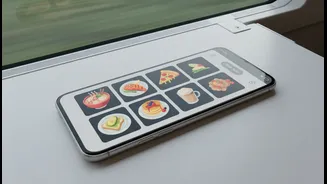
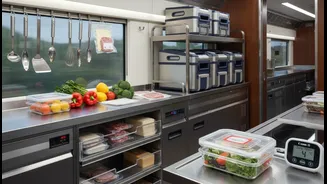
food delivery services without approval, misusing IRCTC's branding. These unauthorised platforms pose serious health risks, as they often source meals from unregulated kitchens that don't adhere to the Food Safety and Standards Authority of India (FSSAI) hygiene guidelines. Passengers using these services are also exposed to cybersecurity threats like phishing and financial fraud, with no official recourse if a meal is not delivered or is of poor quality. To counter this, IRCTC urges travellers to use only its official e-catering website, the 'Food on Track' app, or authorised food aggregators for meal orders.
The Rise of Official E-Catering
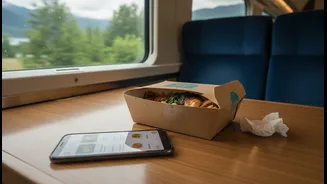
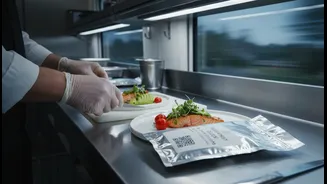
The official IRCTC e-catering service is expanding rapidly, providing a safer alternative to risky station vendors. It operates at over 400 stations, partnering with thousands of restaurants and aggregators, including major players like Zomato. In April 2026 alone, the service booked an average of 1.55 lakh meals daily. This system allows passengers to order fresh meals from FSSAI-compliant restaurants and have them delivered directly to their seats, offering variety and better quality control. Additionally, some railway stations are now receiving "Eat Right Station" certifications from FSSAI, indicating high standards of food safety and hygiene for vendors operating there. Travellers can look for these certifications when purchasing food at station halts.
Packing Smart: Your Home-Packed Food Checklist
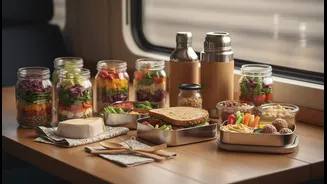
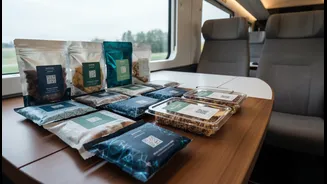
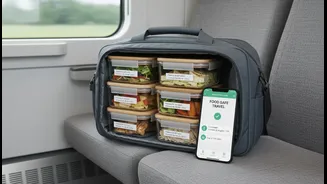
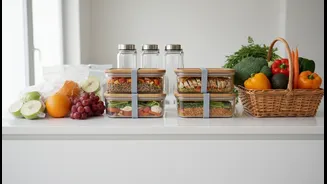
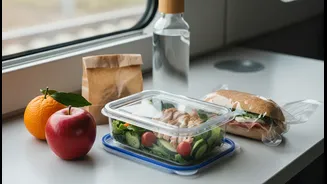
While ordering in is convenient, home-cooked food remains the gold standard for safety on long journeys. Proper planning is key to preventing spoilage. Opt for dry and less oily foods that travel well. Good options include theplas, parathas, idlis, sandwiches, and dry snacks. Avoid packing curries with heavy gravy, cream-based sweets, or other items that can spoil quickly without refrigeration. When packing, use high-quality, airtight containers. For families with young children, be extra cautious with milk and baby food, ensuring they are stored at the right temperature in an insulated bag. Always pack essentials like hand sanitiser, tissues, and your own cutlery to minimise contact with unhygienic surfaces.
Onboard Wisdom: Choosing What to Eat and Drink
When buying food on the train or at stations, vigilance is your best defence. Always opt for freshly prepared, hot meals, as heat kills most harmful bacteria. Avoid items that have been sitting out in the open, are uncovered, or look stale. Be particularly cautious with cut fruits, raw salads, and water from unverified sources. Stick to sealed, branded bottled water, like Rail Neer, or hot beverages like tea and coffee, which are made with boiled water. Before eating any food, inspect it for unusual smells, colours, or textures. If anything seems off, it's best to discard it. Simple meals like dal and rice are often a safer bet than complex or overly spicy dishes that can cause digestive issues.
Special Tips for Students and Families
Students travelling alone often balance budget and safety. Relying on home-packed snacks for the first leg of the journey is a cost-effective strategy. For longer trips, using the official IRCTC e-catering app to order a simple thali or biryani from a well-rated restaurant is a reliable option. Families, especially those with children, should plan meals carefully. Packing familiar, simple foods for kids can prevent fussiness and potential stomach upsets. It's also wise to carry a small medical kit with remedies for indigestion or diarrhoea. Remember to wash your hands frequently, or use a sanitiser, especially before eating. This simple habit is one of the most effective ways to prevent foodborne illness during travel.