





The Hidden Weight of Your Garden
A concrete slab, whether it is a balcony, rooftop, or the floor of a terrace over a garage, is not an infinitely strong surface. It is an engineered structure designed to support a specific amount of weight, known as its load-bearing capacity. This capacity is divided
into two types: dead load (the weight of the slab itself) and live load (the temporary weight it can support, like people and furniture). Residential floors are often designed for a live load of about 40 to 50 pounds per square foot. A large, deep raised bed filled with soil and water can easily exceed this limit, especially in a concentrated area.
How to Estimate Your Planter's True Weight
Calculating the potential weight of your raised bed is a crucial first step. You need to consider three main components: the container, the soil, and the water. The container itself can weigh anywhere from a few kilograms for a simple metal frame to over 25 kg for a sturdy, decorative model. The real weight, however, comes from the soil, and especially the water it holds. A cubic foot of dry, lightweight potting mix might weigh around 12 kg, but dense garden topsoil can be 35 kg or more. The critical factor is water. After a heavy rain, soil can become fully saturated, and its weight can more than double. A large planter that seems manageable when dry can become a dangerously heavy load when waterlogged, potentially exerting hundreds of kilograms of force on a small footprint.
A Simple Calculation for a Worst-Case Scenario
To get a rough idea of the load, you must plan for the wettest possible conditions. First, calculate the volume of your planter in cubic feet. Then, find the density of fully saturated soil. Standard garden soil, when saturated, can weigh over 100 pounds (about 45 kg) per cubic foot. Multiply the volume by this wet soil density, then add the weight of the container itself. Finally, divide this total weight by the footprint of the planter in square feet. This will give you the load in pounds per square foot (psf). If this number is approaching or exceeds 50 psf, you are entering a potential danger zone for a standard residential slab.
Visual Clues That Signal a Problem
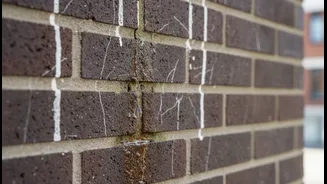
Before adding any new, significant weight, inspect the slab itself for any pre-existing signs of stress. Look for cracks in the concrete, especially those that are wide or run deep. Other red flags include any noticeable sagging or dipping in the slab, water stains on the underside, or rust-coloured streaks, which can indicate that the internal steel rebar is corroding. If you see flaking or crumbling concrete, it is a serious warning sign that the slab's integrity may already be compromised. These are not just cosmetic issues; they are potential indicators of structural weakness that a heavy raised bed could turn into a catastrophic failure.
When You Must Call a Structural Engineer
A DIY assessment is a good starting point, but it is not a substitute for professional advice. If you plan to install a large or heavy raised garden, or if your slab shows any of the warning signs mentioned above, hiring a residential structural engineer is a non-negotiable step. An engineer can assess the building's original plans, inspect the slab's condition, and provide a definitive calculation of its true load-bearing capacity. This expert consultation is a small investment that provides peace of mind and, most importantly, ensures the safety of everyone in and around the building. They can tell you definitively what your slab can handle and help you design a garden that is both beautiful and structurally sound.
Lighter Alternatives for a Safer Garden
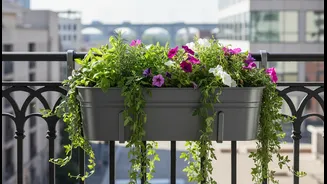
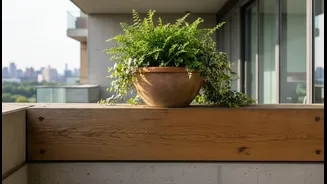
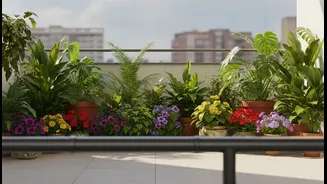
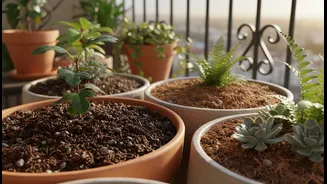
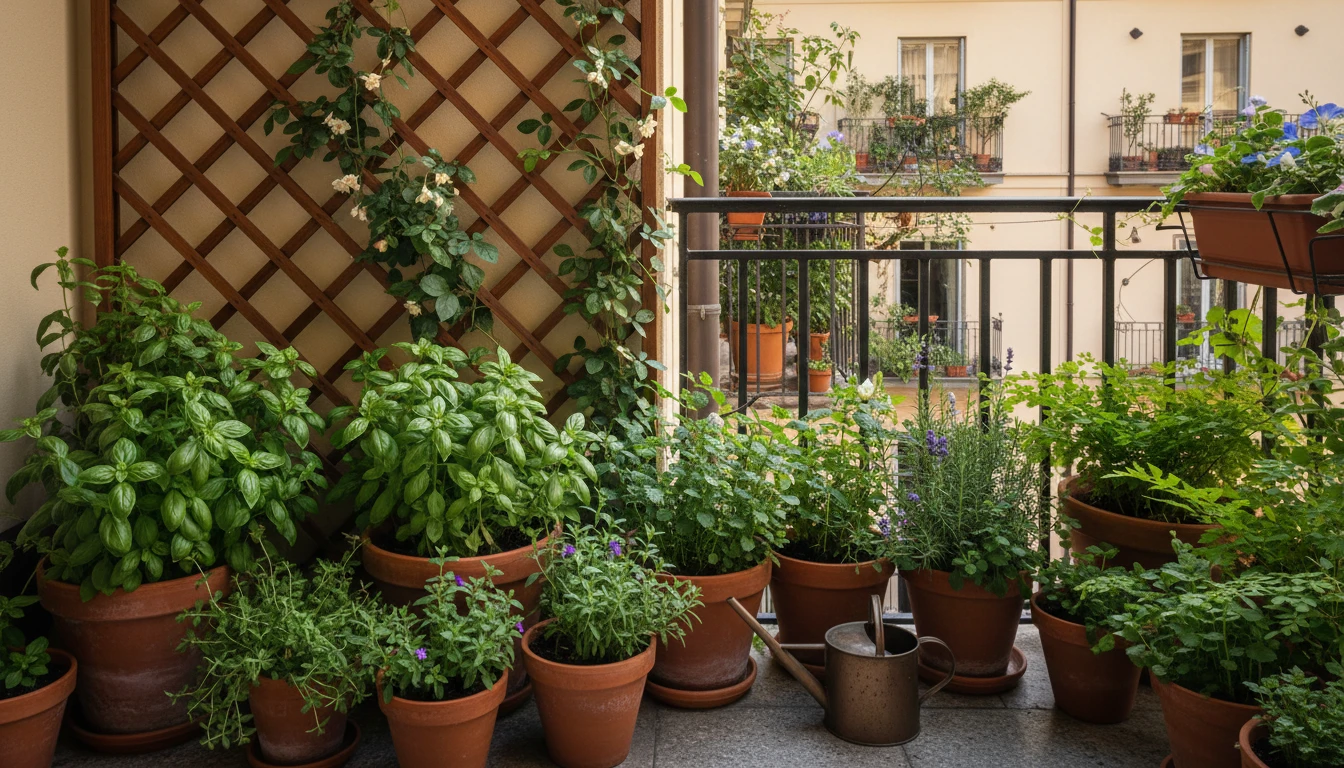
If you discover that your slab cannot support the weight of a traditional raised bed, do not be discouraged. There are many ways to create a beautiful and productive urban garden with less weight. Opt for multiple smaller containers instead of one large, heavy one to distribute the load more evenly. Critically, choose lightweight potting mixes specifically designed for containers. These often use ingredients like coconut coir and perlite, which are significantly lighter than dense garden soil and still provide excellent growing conditions. By being mindful of materials, you can cultivate a thriving garden without putting your home at risk.