



Understanding the Mediterranean Blueprint
The Mediterranean diet isn't a strict set of rules but rather a flexible eating pattern celebrated for its long-term health benefits. It prioritizes whole, minimally processed foods. The foundation is built on an abundance of plant-based foods like vegetables,
fruits, and legumes, with whole grains as a key source of energy. Healthy fats, particularly olive oil, are central, while lean proteins from fish and poultry are included in moderation. The focus is on flavour through herbs and spices instead of excess salt, and meals are often enjoyed as a social experience. This pattern is linked to improved heart health, better blood sugar control, and reduced inflammation.
India's Protein-Packed Pulses
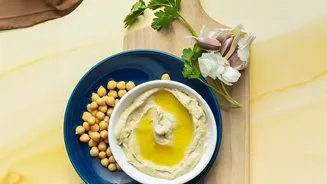
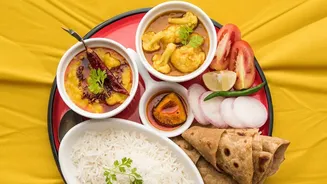
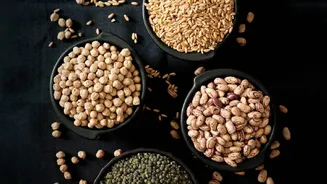
Indian kitchens are already champions of pulses, which align perfectly with Mediterranean principles. Lentils (dal), chickpeas (chana), and kidney beans (rajma) are nutritional powerhouses. They are an excellent source of plant-based protein, which is vital for building and repairing tissues. Furthermore, they are packed with dietary fibre, which aids digestion, promotes a feeling of fullness to help with weight management, and helps regulate blood sugar levels. Being rich in essential minerals like iron, folate, and magnesium, pulses like moong, masoor, and chana are cornerstones of a heart-healthy diet.
Wholesome Grains from the Homeland
Replacing refined grains with whole grains is a core tenet of the Mediterranean diet, and India offers a fantastic array of options. Instead of white rice and maida, you can turn to nutrient-dense alternatives like brown rice, whole wheat (atta), and a variety of millets such as jowar (sorghum), bajra (pearl millet), and ragi (finger millet). These whole grains retain their bran and germ, providing more fibre, vitamins, and antioxidants than their refined counterparts. This high fibre content supports good gut health and provides sustained energy, preventing the sharp spikes in blood sugar associated with processed carbs.
Bringing It All Together on Your Plate
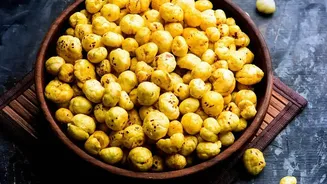
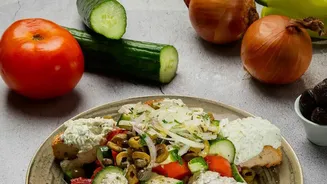
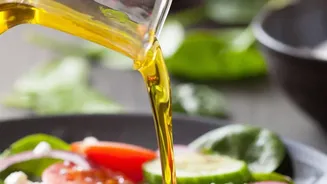
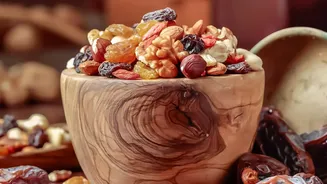
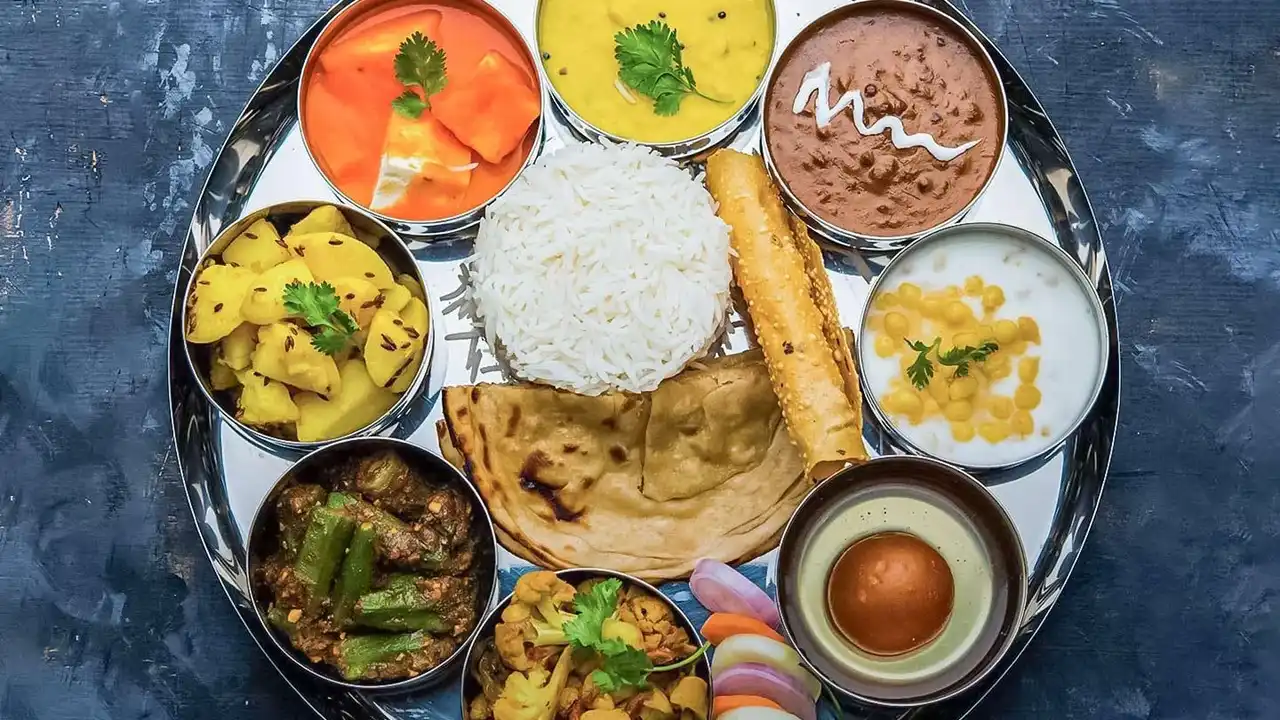
Integrating these principles is simpler than it sounds and doesn't require giving up beloved dishes. Start by making vegetables the star of your meal, with dal or a sabzi as the main component. Use whole grains for your rotis or choose brown rice for your pulao. While olive oil is the Mediterranean star, its use in Indian cooking is versatile; extra virgin olive oil is great for drizzling over salads or raitas, while refined olive oil can be used for sautéing and making curries. You can also continue using traditional healthy fats like mustard or groundnut oil in moderation. For snacks, opt for roasted chickpeas or a handful of nuts instead of fried items.
More Than Just Food
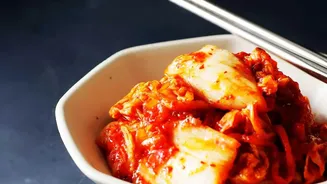
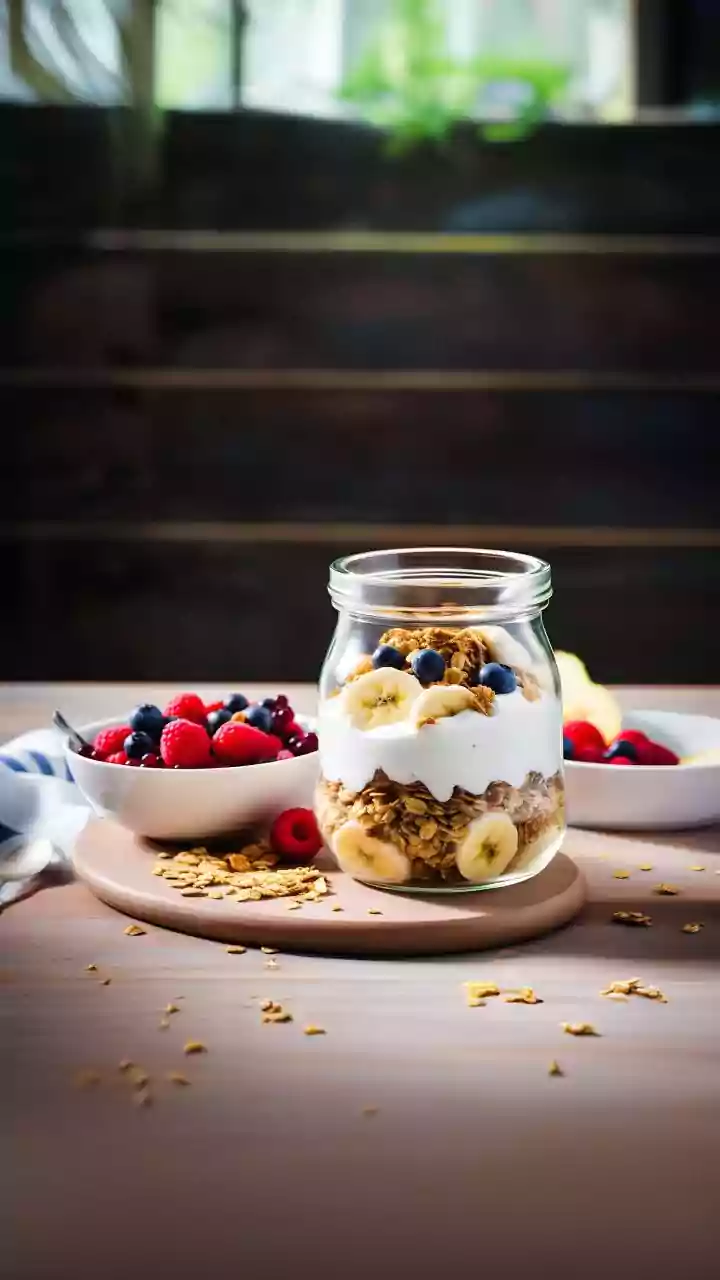
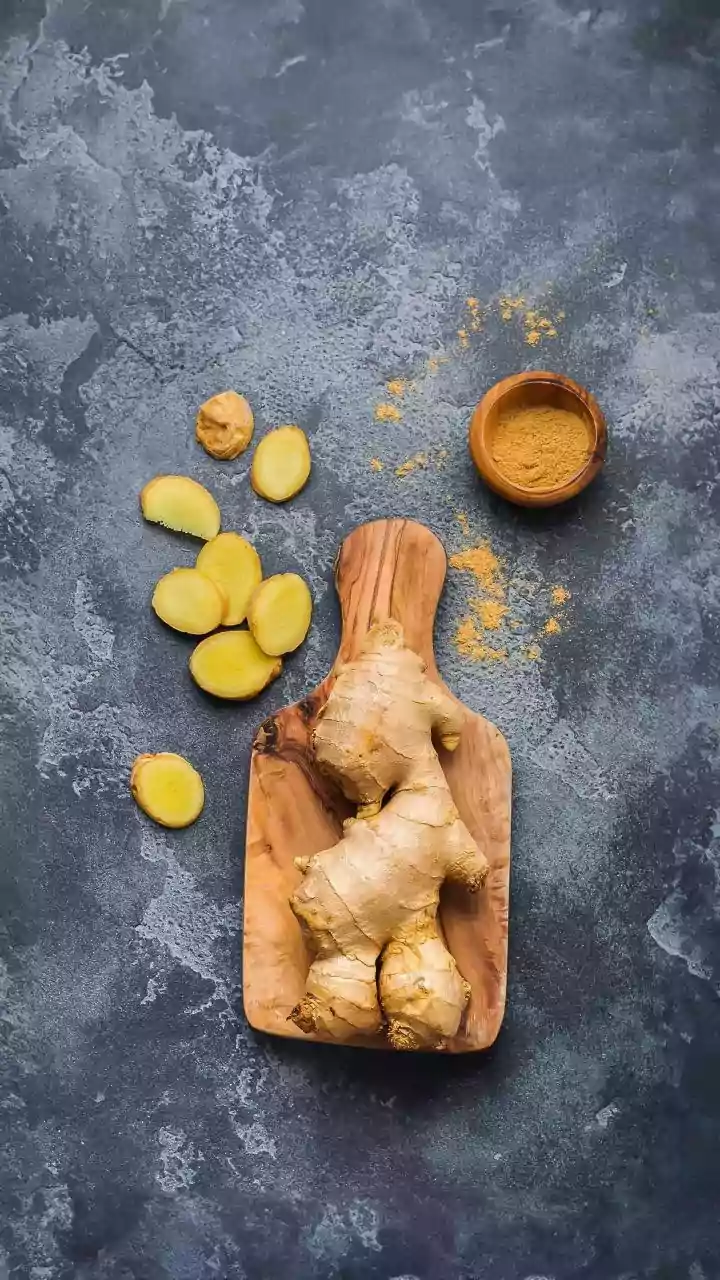
The health benefits of this fusion approach extend beyond ingredients. Both culinary traditions value the use of spices. Turmeric, cumin, coriander, and ginger not only add immense flavour, reducing the need for excess salt, but also possess anti-inflammatory and antioxidant properties. Fermented foods like homemade dahi (yogurt) are another shared staple, promoting gut health. By focusing on these shared fundamentals—plant-forward meals, healthy fats, lean proteins, and flavourful spices—you can create a diet that is both authentically Indian and aligned with the world-renowned principles of Mediterranean eating.