
The Perfect Foundation
The magic of this hairstyle lies in its structure. A braid, by its very nature, is a woven pattern of hair that creates a series of secure loops and crevices. Unlike loose hair where flowers can easily slip, a braid provides countless natural anchor points.
The interlocking strands of a French, Dutch, or fishtail braid create the perfect scaffold to tuck in stems or pin blooms, ensuring they stay put from the first photo to the last dance. This built-in support system is what makes the combination of braids and flowers so reliable and stunningly effective.
Choosing Your Blooms
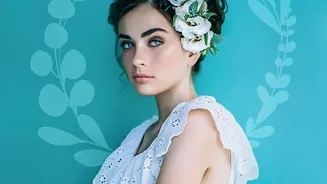
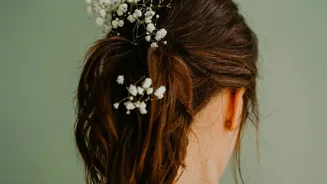
Your choice of flowers can define the entire look. For longevity, hardy flowers are your best friends. Baby's breath, lavender, carnations, chrysanthemums, and small orchids are excellent choices as they can withstand hours without wilting. Roses can also be used, though they are heavier and may require extra support. When deciding, consider both real and high-quality artificial flowers. Real flowers offer unparalleled fragrance and authenticity, but they are delicate. Artificial blooms provide durability and can be reused, making them a practical option for long events. Always consider your outfit's color palette to either complement or contrast with your floral choices.
Hair and Flower Preparation
A little prep work goes a long way. For your hair, starting with day-old hair is often best as it has more texture and grip than freshly washed, silky hair. A spritz of texturizing spray or dry shampoo can add the grit needed to hold the style securely. For fresh flowers, preparation is key to preventing wilting. It's recommended to keep them in a cool place, like a refrigerator, until the last possible moment before styling. Trim the stems to about two to three inches, which is long enough to weave into the braid but not so long that they poke out awkwardly.
Braiding Techniques for Florals
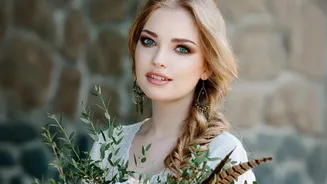
Certain braids lend themselves particularly well to floral adornment. A classic Dutch braid, where the strands are crossed under instead of over, creates a raised plait that acts as a perfect shelf for flowers. A romantic fishtail braid offers a more intricate, bohemian look with many small gaps for tiny buds like baby's breath. For a true statement, a crown braid wrapped around the head provides a 360-degree canvas for a floral masterpiece. The key is to braid tightly enough for security but leave a little looseness or 'pancake' the edges to create space for inserting the flower stems.
The Art of Placement
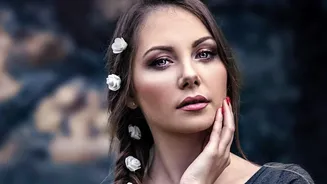
Once your braid is in place, it’s time to decorate. There are two main methods for securing the flowers. The first is to weave the stems directly into the braid as you create it. This works best for flowers with long, flexible stems. The second method is to tuck and pin the flowers into the finished braid. You can slide the stem into a crevice of the braid and secure it discreetly with a bobby pin or a U-pin. For a more secure hold, creating a criss-cross grid of bobby pins first can provide a solid base to pin flowers into. Aim for a balanced, organic look rather than perfect symmetry. Start with larger blooms and fill in the gaps with smaller flowers and greenery.
Making Your Look Last
To ensure your floral braid remains pristine throughout your event, a few final touches are essential. Once all the flowers are in place, a generous mist of a medium-to-strong hold hairspray will help lock everything in. However, it's crucial to apply hairspray before adding fresh flowers, as the alcohol content can cause them to wilt. If you're using fresh blooms, add them as the very last step of your getting-ready process to maximize their freshness. For outdoor or summer events, have a few spare flowers and bobby pins on hand for quick touch-ups if needed.