


A Ritual Set in Steam and Syrup
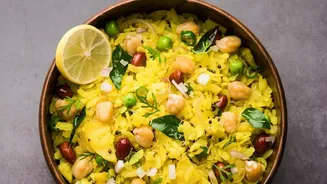
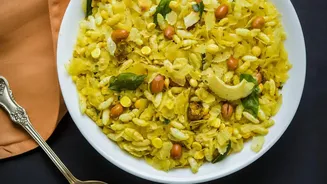
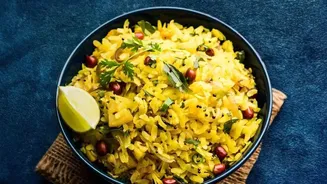
Before the city's traffic reaches its peak, the streets are already buzzing with a different kind of energy. It’s a scene repeated on countless corners: vendors standing before large pots, steam billowing from mounds of fluffy, yellow poha. Customers,
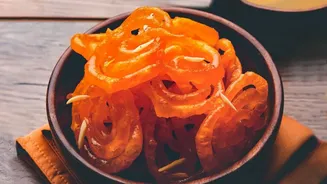
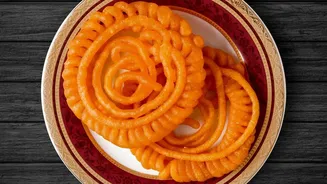
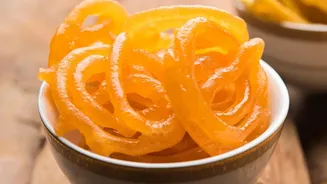
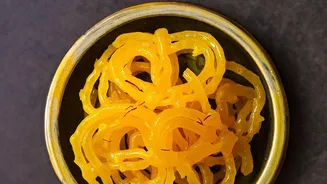
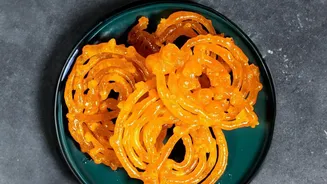
from office workers to students, gather for a plate of this beloved breakfast, often paired with a golden, crispy jalebi. This isn’t just a quick bite; it’s a shared social experience. For many Indoris, the day hasn't truly started until they've had their poha-jalebi, a combination that seems unlikely on paper but makes perfect sense on the plate.
The Journey from Maharashtra to Malwa
While poha, or flattened rice, is a staple across western and central India, its story in Indore has a distinct flavour. The dish is believed to have travelled to the Malwa region from Maharashtra with the Maratha Holkars, who established their rule in the 18th century. They brought their culinary habits, including the simple Maharashtrian kanda poha. However, it was in Indore, likely after India's independence, that the dish was reinvented and truly claimed as the city's own. Local vendors and cooks began to adapt it to the regional palate, which appreciates a complex blend of sweet, sour, and spicy notes.
What Makes Indori Poha Different?
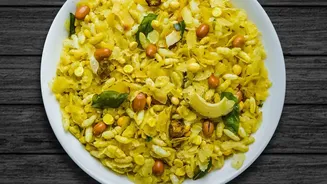
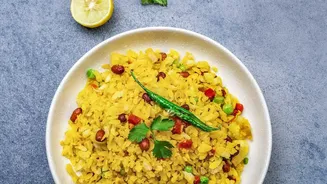
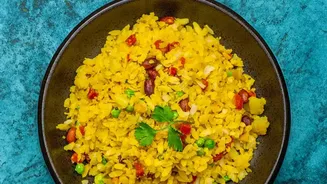
The secret to Indori poha's unique identity lies in its preparation and its toppings. Unlike versions where ingredients are sautéed together, Indori poha is steamed, a method that ensures each flake remains incredibly soft and fluffy for hours. The flavour profile is also unique. A special spice blend called jeeravan masala is sprinkled generously on top, giving it a tangy, spicy kick that is distinctly Indori. This is followed by a shower of toppings: finely chopped raw onions, fresh coriander, and a large helping of crispy sev (fried gram flour noodles), often the spicy Ratlami variety. Pomegranate seeds and a squeeze of lemon juice add a final touch of freshness and tang.
The Unlikely but Perfect Pairing
The decision to pair this savory, spiced dish with a hot, syrup-soaked jalebi is a stroke of local genius. This combination of khatta-meetha (sour-sweet) is a hallmark of the region's cuisine, influenced by Gujarati, Rajasthani, and Maharashtrian food cultures. The soft, savoury poha with its crunchy sev topping finds its perfect counterpoint in the crisp, sweet jalebi. Each bite offers a delightful contrast of temperatures, textures, and tastes that wakes up the senses. It’s a breakfast that doubles as dessert, a combination that has become inseparable from the city's identity.
More Than Just a Meal
Today, poha-jalebi is more than just Indore's most popular breakfast; it's a cultural symbol. It’s an affordable and accessible meal that unites people from all walks of life. The city's famous food hubs, like Chappan Dukan and Sarafa Bazaar, are legendary for their street food, but the humble poha vendor is where the city's heart truly beats every morning. It represents a culinary identity built on generations of innovation, turning a simple dish into an emblem of civic pride. For locals, it's a taste of home; for visitors, it's the authentic flavour of Indore.