





The Hidden Danger of Too Much Water
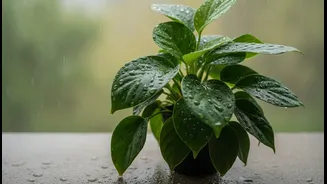
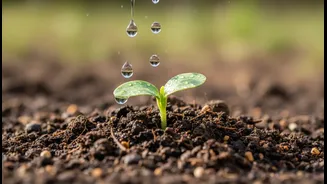
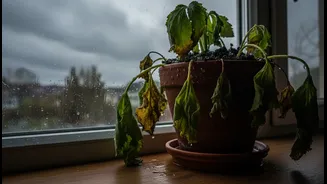
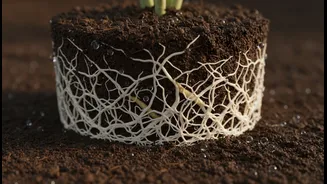
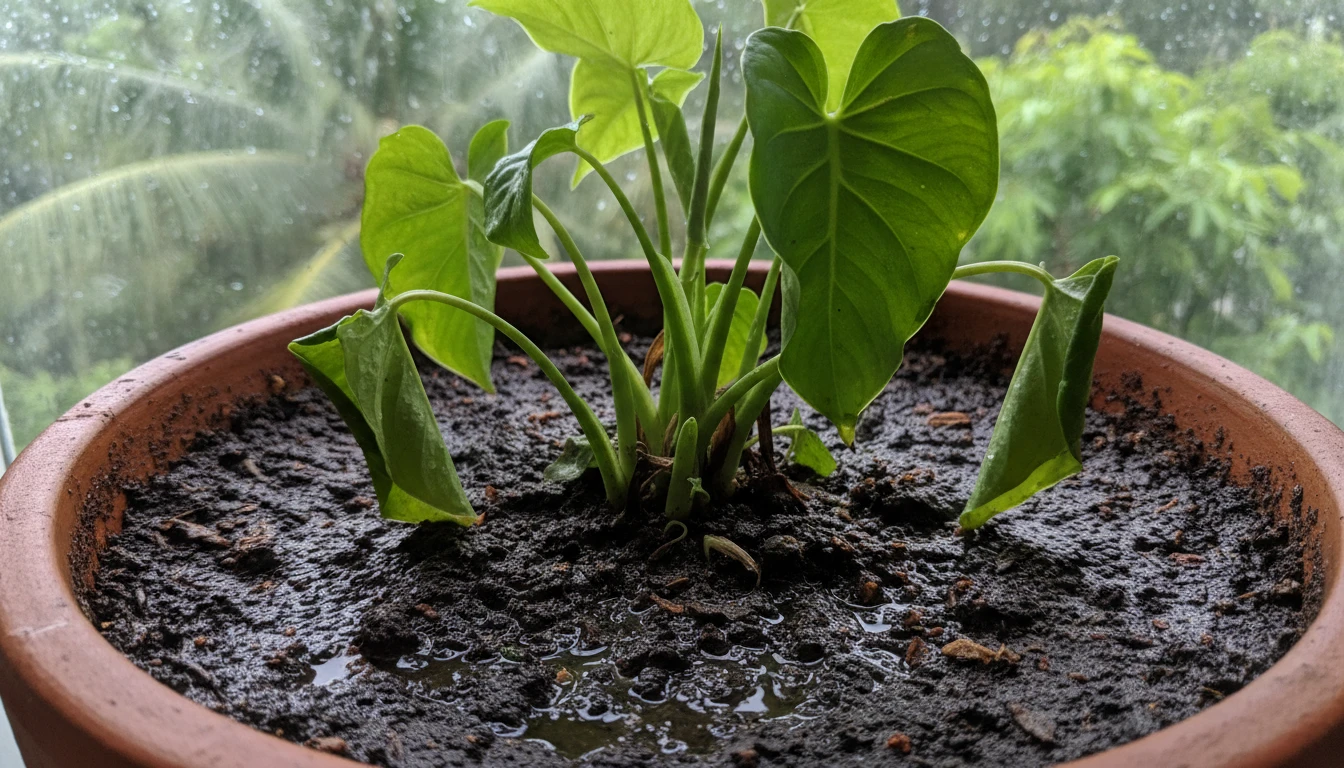
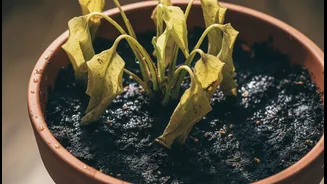
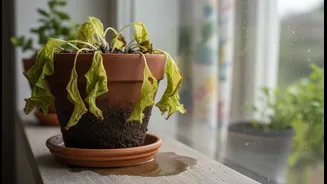
More plants die from overwatering than underwatering, and the monsoon or a rainy spell makes this problem even more common. When soil is constantly saturated, there are no air pockets left for the roots to breathe. This oxygen deprivation can suffocate
the roots, leading to a dreaded condition called root rot. Root rot is a fungal or bacterial disease that causes roots to turn brown, mushy, and eventually die. The initial signs often appear above ground: leaves may turn yellow, wilt, or develop brown spots, ironically mimicking the look of a thirsty plant. This leads many well-intentioned gardeners to water again, worsening the problem. Ensuring pots have clear drainage holes is the first step, but even then, soil can remain waterlogged after heavy or frequent rain.
How to Perform the Finger Test
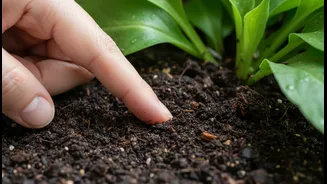
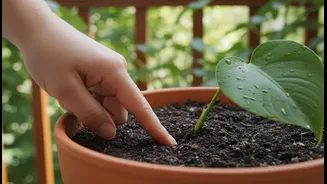
The finger test is the most reliable way to gauge soil moisture where it matters most—at the root zone. It's a simple, tactile method that costs nothing and takes only seconds. To perform it correctly, insert your index finger into the soil near the base of the plant, aiming for a depth of about two inches, or up to your second knuckle. Don't just test the surface; topsoil often dries out much faster than the soil deeper in the pot and can be misleading. For larger containers, it can be helpful to test a second spot halfway toward the pot's edge to get a more complete picture.
Interpreting the Results: To Water or Not?
What you feel at your fingertip determines your next move. If your finger comes out clean and the soil feels dry and crumbly, it's time to water. However, if the soil feels cool and moist, or if particles of damp soil stick to your finger, hold off on watering. The soil still has enough moisture to sustain the plant. If the soil feels downright wet or sodden, not only should you skip watering, but you should also check that the pot's drainage holes are not blocked. Following a summer watering schedule during a rainy period without performing this check is a common cause of overwatering. By checking before you water, you move from a fixed schedule to a responsive one that adapts to weather and your plant's specific needs.
Beyond the Test: Other Factors to Consider
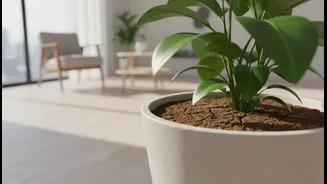
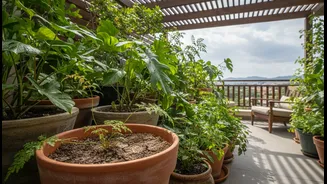
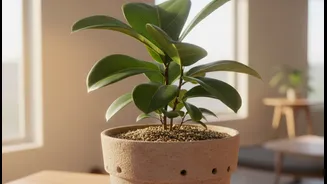
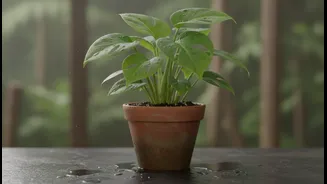
While the finger test is an excellent guide, other variables influence how quickly a pot dries out. The type of pot is a major factor; terracotta and other porous materials breathe, causing soil to dry faster than in plastic or glazed ceramic pots. Plant size and type also matter. A large, leafy plant in a small pot will consume water much more quickly than a small succulent in a large pot. Location is key as well—a pot in full sun will dry out faster than one in the shade. During rainy seasons, higher humidity also slows down evaporation from the soil, meaning both indoor and outdoor plants will generally require less frequent watering. Always aim to water the soil directly, not the leaves, especially during humid weather, to discourage fungal diseases.