


The Science Behind the Speckles
The key to understanding banana ripening is a plant hormone called ethylene gas. Bananas produce this gas naturally, which triggers the conversion of starches to sugars, softens the fruit, and turns the peel from green to yellow. The more ethylene present,
the faster this process happens. Temperature also plays a crucial role; warmth accelerates ripening, while cold slows it down. By managing ethylene exposure and temperature, you can effectively become the master of your banana bunch, deciding whether they ripen in a day or last the better part of a week.
In a Hurry? How to Speed Things Up
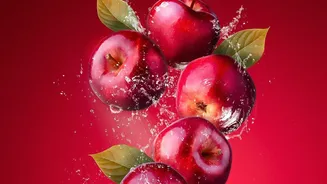
If you need ripe bananas for a recipe today or simply can't wait to enjoy one, your goal is to trap the ethylene gas they’re already producing. The classic method is to place your bananas in a loosely closed paper bag. The bag concentrates the ethylene, significantly speeding up the ripening process. To supercharge this, add an apple or a tomato to the bag. These fruits are also potent ethylene producers, and they will encourage your bananas to ripen even faster. Keep them in a warm spot in your kitchen, and you could have perfectly yellow bananas in as little as 12 to 24 hours.
Playing the Long Game: How to Slow Ripening
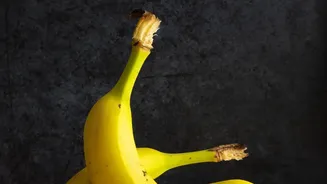
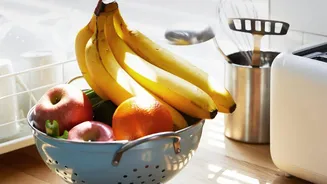
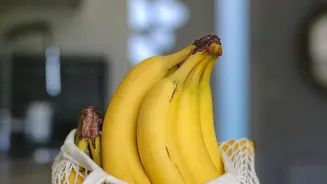
To make your bananas last, you need to do the opposite: disperse the ethylene gas. The first step is to separate the bananas from each other. A bunch ripens faster because the collective ethylene production is concentrated. Storing them individually slows this down. For an extra layer of protection, you can wrap the stems of each banana in a small piece of plastic wrap. The stem is where most of the ethylene gas is released, so covering it can add several days to your banana's shelf life. Another popular method is using a banana hanger, which promotes air circulation around the entire bunch, preventing bruising and slowing down the release of ethylene from any one spot.
The Great Refrigerator Debate
Should bananas go in the fridge? The answer is a firm “it depends.” Putting an underripe, green banana in the fridge is a mistake. The cold will halt the ripening process almost entirely, and it may never properly ripen even after you take it out. However, the refrigerator is an excellent tool for preserving a banana that has reached your perfect level of ripeness. Once a banana is yellow and ready to eat, placing it in the fridge will keep it in that state for up to a week. The peel will turn dark brown or black due to the cold affecting the skin's enzymes, but the fruit inside will remain perfectly sweet and firm.
When All Else Fails: Embrace the Brown
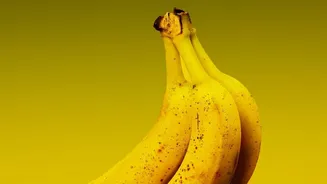
Even with the best intentions, you might end up with a few bananas that have gone too far. But an overripe banana is not a lost cause; it’s an opportunity. The browner and mushier the banana, the more its starches have converted to sugar, making it an incredibly sweet and flavourful ingredient for baking. This is the ideal state for classic banana bread, moist muffins, or fluffy pancakes. You can also peel and freeze overripe bananas whole or in slices. Frozen bananas are perfect for adding a creamy, thick texture to smoothies, or you can even blend them on their own for a simple, healthy “emic cream.”