







The Popular Belief: A Platelet Booster
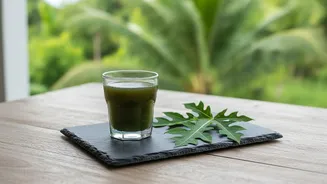
The primary reason for the widespread use of papaya leaf juice in dengue cases is its reputation for increasing platelet counts. A drop in platelets, known as thrombocytopenia, is a major concern in dengue infections and can lead to dangerous complications
like Dengue Haemorrhagic Fever (DHF) or Dengue Shock Syndrome (DSS). Since platelets are crucial for blood clotting, a severe drop can cause bleeding from gums, the nose, or even internally. The traditional belief is that by boosting platelet levels, papaya leaf juice directly fights the most dangerous aspect of the disease. This easy-to-access home remedy has been used for decades, with many people reporting positive effects and seeing it as a first line of defense.
The Science: A Supportive Aid, Not a Cure
So, what does the research say? Several studies and clinical observations do suggest that papaya leaf extract can help increase platelet counts in dengue patients. The compounds in the leaves may stimulate the genes involved in platelet production. However, and this is the critical distinction, increasing platelets is not the same as curing the disease. There is currently no specific antiviral medicine that can cure dengue. The infection is caused by a virus that must run its course. Papaya leaf juice does not eliminate the virus. Medical experts are clear: the juice should be seen as a supportive or complementary therapy at best, not a standalone treatment.
The Real Danger: Delaying Medical Care
The single biggest risk of relying solely on papaya leaf juice is the delay in seeking professional medical help. Believing that a home remedy is a cure can lead patients to ignore crucial warning signs until it's too late. Dengue can progress to a severe stage rapidly, often after the initial fever has subsided. Symptoms like severe abdominal pain, persistent vomiting, bleeding from the nose or gums, blood in stool, or feeling restless and tired are red flags that require immediate hospital care. Doctors warn that patients who self-treat often arrive at the hospital dehydrated and with complications that could have been managed if caught earlier. Moreover, some people may experience side effects like nausea or an upset stomach from the juice, which can be confused with dengue symptoms or worsen dehydration.
Official Guidelines: What Doctors Recommend
Official medical guidelines from organizations like the World Health Organization (WHO) and India's National Center for Vector Borne Diseases Control (NCVBDC) are focused on symptomatic and supportive care. The cornerstone of dengue management is maintaining hydration by drinking plenty of fluids, preferably oral rehydration solutions (ORS) and juices. To manage fever and pain, paracetamol is the recommended medication. It is critically important to avoid non-steroidal anti-inflammatory drugs (NSAIDs) like ibuprofen and aspirin, as they can increase the risk of bleeding. For patients with severe dengue, hospitalization is necessary for intravenous fluids, blood pressure monitoring, and, if needed, blood transfusions.
A Balanced Approach to Recovery
While papaya leaf extract might have a role in supporting platelet count, it must never replace professional medical monitoring. The focus for anyone with dengue should be on rest, hydration, and staying in close contact with a healthcare provider. Daily blood tests may be necessary to monitor platelet and hematocrit levels. If you choose to use papaya leaf juice, it should be considered a supplementary measure and discussed with your doctor first. It is not a magic pill. The most effective strategy for a safe recovery is early diagnosis and careful management of symptoms under medical supervision, which can prevent the progression to severe disease.