


The Safari, Reimagined
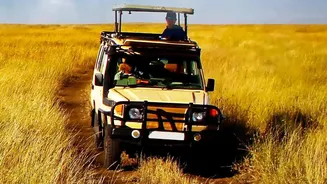
For many, a South African safari means one thing: Kruger National Park. While legendary for its vast landscapes and abundant wildlife, a more profound experience often awaits in less crowded spaces. Consider the private game reserves that border Kruger,
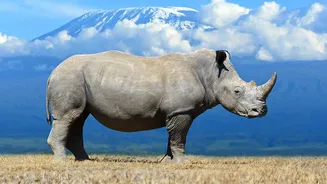
like the Sabi Sand. Here, the fences have come down, allowing animals to roam freely, but the rules are different. Strict limits on the number of vehicles at a sighting mean you get a more intimate and respectful encounter, particularly with elusive leopards for which the area is famed. Further south, in the Eastern Cape, Addo Elephant National Park offers a different kind of immersion. As the name suggests, it is home to one of the densest elephant populations in Africa, and encounters with large herds are almost guaranteed. Being in a malaria-free area also makes it an accessible alternative for families and those looking for a Big 5 experience that connects easily with a coastal journey. The focus here shifts from just ticking off a list to truly observing animal behaviour in a unique, semi-arid environment.
Where the Journey is the Destination
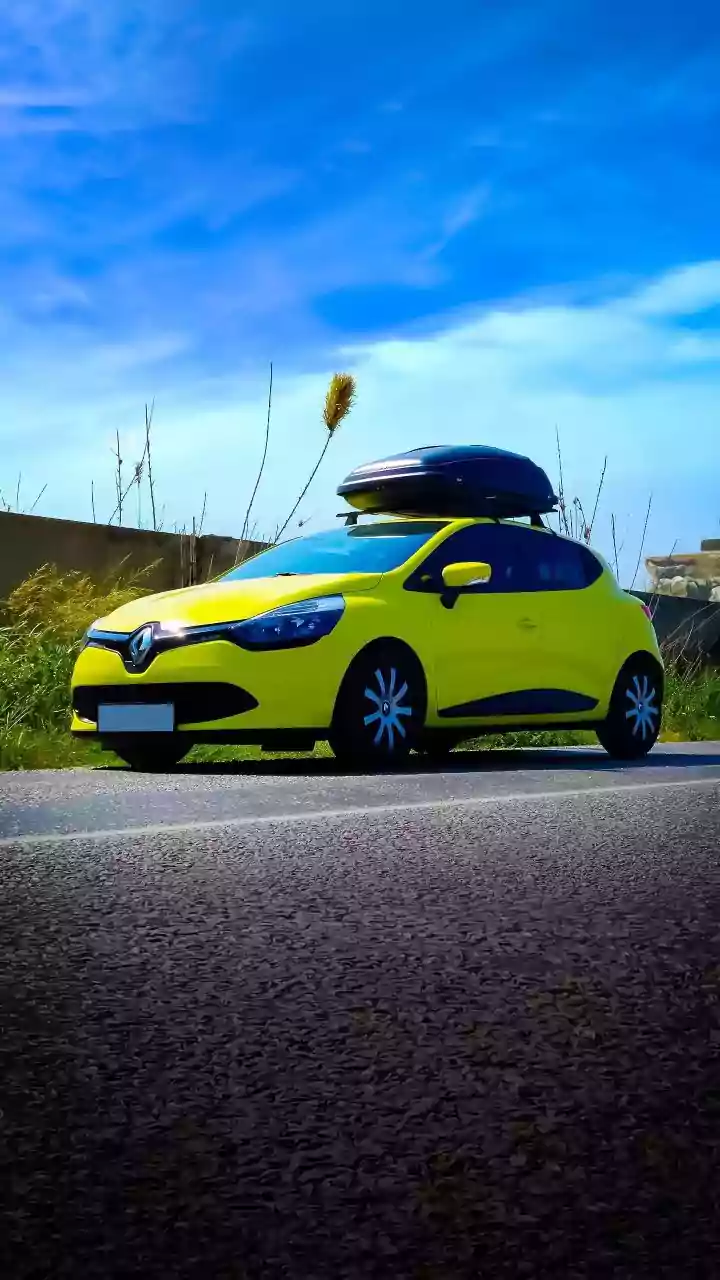
South Africa is a country built for the open road, where the drives are as much a part of the adventure as the places they connect. The Garden Route is the country's most famous drive for a reason, a roughly 300-kilometre stretch of coastal beauty from Mossel Bay to Storms River. But to truly go deeper, you must embrace a slower pace. Instead of rushing through, take a five-day itinerary to canoe in the tranquil lakes of Wilderness, explore the lush Tsitsikamma forest, and dine by the water in Knysna. For a journey with a different character, head inland to Route 62. Often called the world's longest wine route, it offers a scenic alternative to the main N2 highway, winding through the semi-arid Klein Karoo. This road trip is defined by its quirky farm stalls, historic towns like Montagu and Calitzdorp, and the dramatic shift in landscape from lush winelands to rugged mountain passes. It’s a journey that celebrates the small towns and unique culture that thrive away from the coast.
Chasing Waterfalls and Windows
In the northeast, Mpumalanga province offers a drive of epic proportions: the Panorama Route. This high-altitude journey skirts the Blyde River Canyon, one of the largest canyons on Earth. The route connects a series of breathtaking natural wonders, each demanding a stop. There’s God's Window, an overlook with views that seem to stretch on forever, and the Three Rondavels, massive rock formations that resemble traditional huts. You can also discover numerous waterfalls, like the Lisbon and Berlin Falls, and the intriguing Bourke's Luck Potholes, where centuries of swirling water have carved cylindrical sculptures into the rock. This drive is not just about the viewpoints; it's about experiencing the sheer scale and drama of the South African landscape, a perfect prelude or epilogue to a safari in nearby Kruger.
Embracing a Slower Pace
The key to unlocking this deeper South Africa is embracing the concept of 'slow travel'. It's about trading a packed itinerary for meaningful experiences and genuine connection. This could mean spending an afternoon learning about Xhosa culture in a traditional village, cycling through the historic township of Soweto to understand its pivotal role in the nation's history, or simply walking through a nature reserve instead of driving. In the Great Karoo, you can hike through Camdeboo National Park, a land of vast plains and striking volcanic columns, or explore the quiet, dusty streets of towns like Nieu-Bethesda. Slow travel encourages you to connect with the local community, support sustainable tourism, and create memories that are far more rewarding than a simple photo opportunity. It’s a mindset that transforms a holiday into an exploration of nature, culture, and self.