







The 18-Year Ban
From 1989 to 2007, Indian mangoes were officially banned from entering the United States. The reason was not political but biological. US agricultural authorities, specifically the Animal and Plant Health Inspection Service (APHIS), had serious concerns
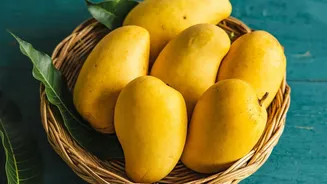
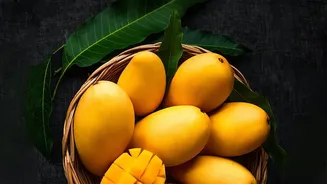
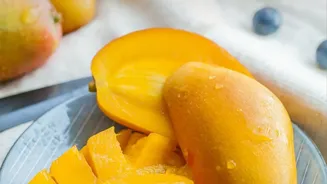
about non-native pests, particularly fruit flies, hitching a ride on the mangoes and potentially devastating American crops. Despite India being the world's largest mango producer, this sanitary and phytosanitary (SPS) barrier meant that beloved varieties like the Alphonso and Kesar could not legally be sold in the lucrative American market. For years, this remained a point of friction in trade discussions.
A Breakthrough Built on Science
The impasse was finally broken not by rhetoric, but by technology. The solution was irradiation, a safe and globally recognized method for neutralizing pests. India agreed to adopt a USDA-approved irradiation protocol, where harvested mangoes are exposed to a controlled dose of gamma rays from a Cobalt-60 source. This process disrupts the DNA of any insect larvae, rendering them sterile and unable to threaten US agriculture, without altering the taste, texture, or safety of the fruit. This scientific compromise paved the way for the ban to be lifted, with the first official shipment arriving in the US in April 2007.
The 'Nuclear Mango' Deal
The agreement wasn't just about fruit; it was a high-stakes diplomatic bargain. The breakthrough came during a 2006 visit to New Delhi by US President George W. Bush and Indian Prime Minister Manmohan Singh, which was focused on a landmark civil nuclear cooperation pact. Amidst these serious negotiations, President Bush reportedly tasted an Alphonso and declared it a “hell of a fruit.” The subsequent deal saw the US grant market access for Indian mangoes in exchange for India making concessions for American products, most notably reducing tariffs on Harley-Davidson motorcycles. This quid pro quo led commentators to cheekily dub it the “nuclear mango deal,” cementing the fruit's role as a diplomatic lever.
The Art of Mango Diplomacy
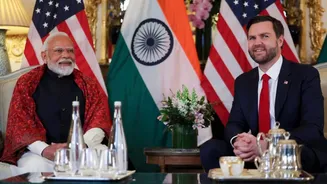
Using mangoes as a tool of soft power is a long-standing Indian tradition, dating back to Prime Minister Jawaharlal Nehru, who would gift them to visiting dignitaries to foster goodwill. Reports from the 1950s even claimed a stern Chinese Premier Zhou Enlai's demeanor softened considerably after tasting a gifted mango. In modern times, this “mango diplomacy” continues, with the annual arrival of Indian mangoes in Washington D.C. often celebrated at the Indian Embassy. The fruit serves as a delicious and culturally significant symbol of partnership, capable of sweetening even the most complex bilateral relationships. Both India and Pakistan practice this form of diplomacy, using the seasonal fruit to build bridges.
A Sweet But Complex Future
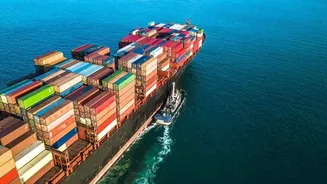
Since the ban was lifted, the export of Indian mangoes to the US has become a significant success story, with exports growing dramatically. The United States is now a major destination for premium varieties. However, the path isn't always smooth. The logistics are complex, involving certified orchards, irradiation facilities, and air freight, which contributes to the high price for US consumers. Furthermore, trade relationships can be fickle. In 2025, for example, several shipments were rejected due to paperwork discrepancies, causing significant financial losses for exporters and highlighting the fragile nature of these trade corridors. Despite these challenges, the demand remains strong, driven largely by the Indian diaspora and a growing number of American consumers who have discovered the unparalleled taste of the Indian mango.