


Teff: The Tiny Grain with a Mighty Punch
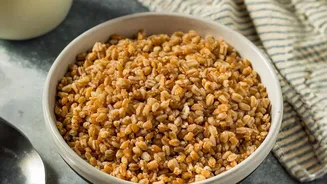
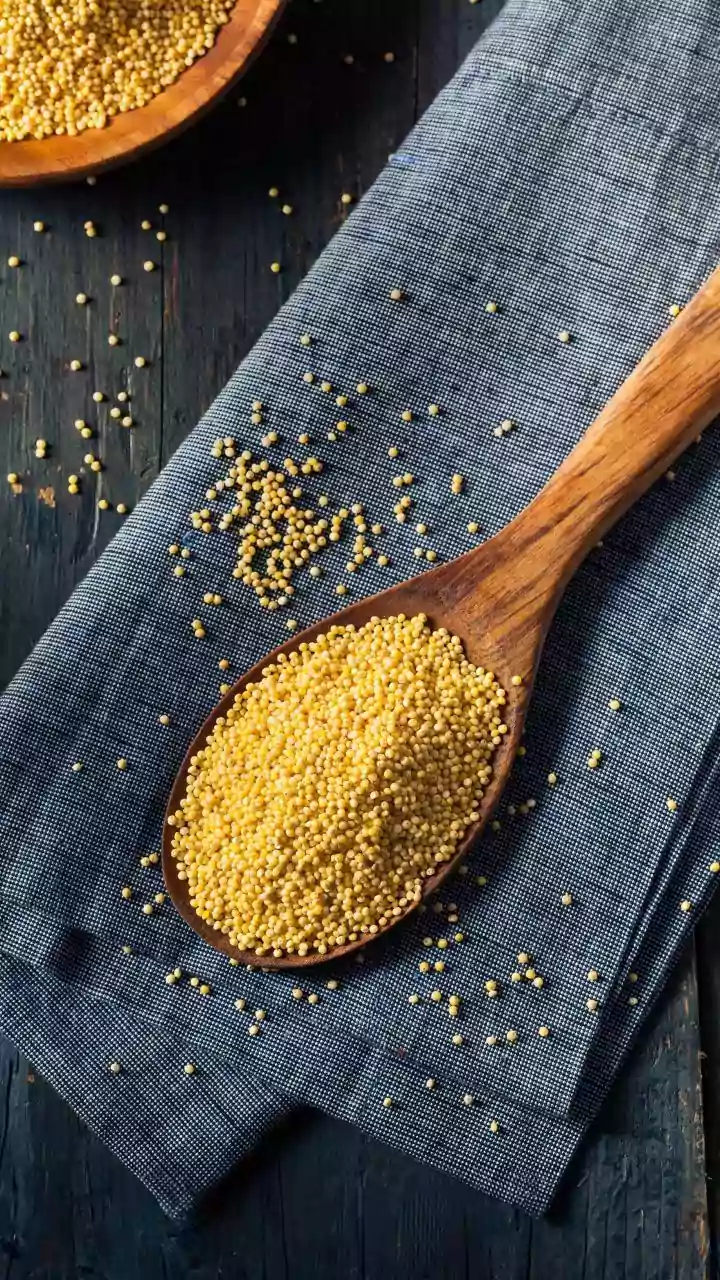
Originally from Ethiopia, teff is the smallest grain in the world, but its nutritional profile is enormous. It's a gluten-free powerhouse, making it an excellent choice for those with celiac disease or gluten sensitivity. Teff is particularly rich in iron,
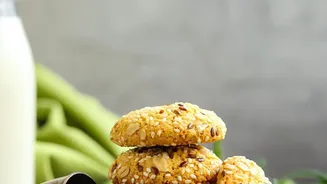
which is essential for transporting oxygen in the blood, and it provides a significant amount of protein, calcium, and magnesium. Its high calcium content is especially beneficial for bone health. With a mild, nutty flavour, teff is incredibly versatile. It can be cooked into a creamy porridge, similar to oatmeal, making for a warm and energizing breakfast. Teff flour is also a popular ingredient in gluten-free baking for breads and muffins. Because the grain is so small, it cooks relatively quickly, in about 15-20 minutes. You can also add uncooked teff grains to soups and stews, where they act as a natural, nutritious thickener.
Barley: The Hearty, Chewy Classic
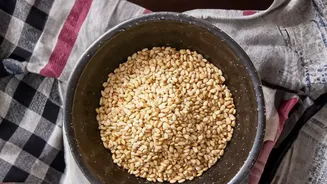
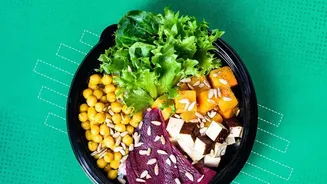
Known as 'jau' in Hindi, barley is a wonderfully chewy and satisfying grain that has been part of Indian diets for centuries, though it's often overlooked today. It is packed with dietary fibre, especially beta-glucan, which is known to help reduce cholesterol and support heart health. This high fibre content also aids digestion and promotes a feeling of fullness, which can be beneficial for weight management. Barley has a lower glycemic index compared to many refined grains, meaning it helps keep blood sugar levels more stable. Its robust texture and subtly sweet, nutty taste make it a fantastic substitute for rice in many dishes. Try making a comforting barley khichdi with moong dal for a wholesome one-pot meal. It also works beautifully in vegetable pulao, adding a delightful chewiness, or can be added to hearty soups and salads for extra body and nutrients.
Millets: India’s Versatile Superfoods
Millets are not just one grain but a diverse group of small-seeded grasses that have been a staple in India for generations. Familiar names like ragi (finger millet), bajra (pearl millet), and kangni (foxtail millet) fall under this category. After being sidelined by wheat and rice for decades, these indigenous superfoods are rightfully reclaiming their place in our kitchens. Millets are celebrated for being naturally gluten-free, rich in fibre, and packed with essential minerals like iron, calcium, and magnesium. They generally have a low glycemic index, which helps in managing blood sugar levels, making them an excellent choice for diabetics. Each millet has its unique strengths; for instance, ragi is famously high in calcium, while bajra is known for its warming properties, making it ideal for winter. From ragi dosas and bajra rotis to foxtail millet upma, incorporating these grains is like reconnecting with our culinary roots.
Sorghum: The Wholesome Jowar Staple
Sorghum, or jowar as it’s widely known in India, is one of the most popular millets and deserves its own spotlight. It has long been a staple food in many parts of the country, especially in the form of jowar bhakri or roti. Like other millets, jowar is gluten-free and an outstanding source of dietary fibre, protein, and essential nutrients. What sets jowar apart is its high concentration of antioxidants, including phenolic compounds that help fight oxidative stress in the body. Its complex carbohydrates are digested slowly, ensuring a gradual release of energy and preventing sudden spikes in blood sugar. This makes it particularly beneficial for individuals managing diabetes or focusing on weight loss. Beyond rotis, jowar flour can be used to make porridge or pancakes. The whole grain can be cooked like rice, and even popped like popcorn for a healthy, crunchy snack.