



A Dangerous Beauty is Born
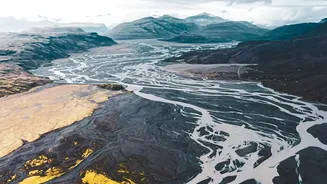
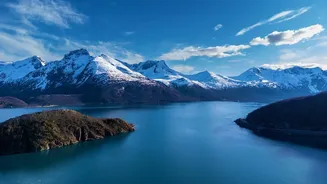
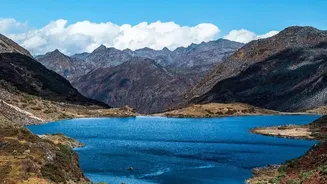
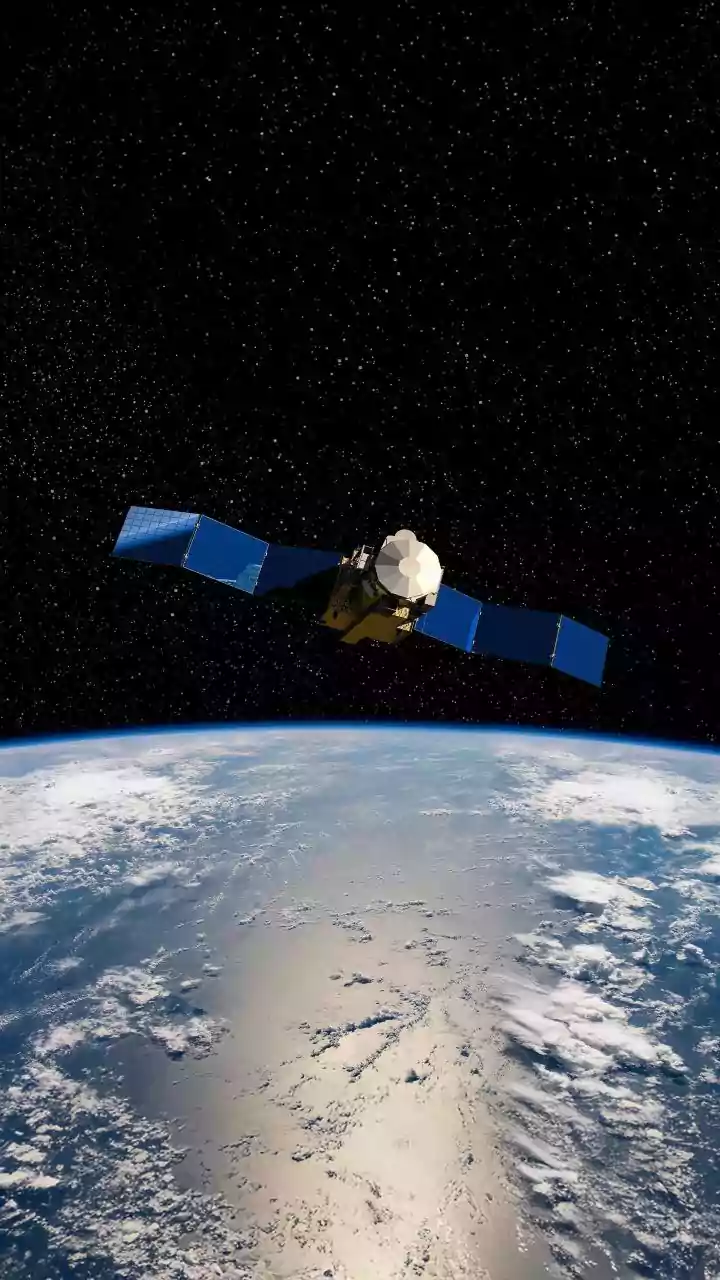
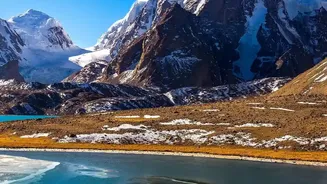
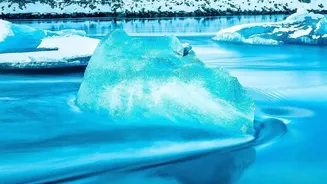
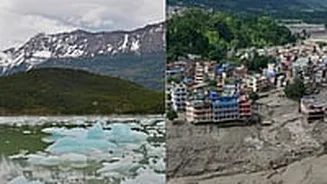
In the wake of a recent ice-rock avalanche in the Bhote Koshi-Trishuli river system, satellite imagery has confirmed the formation of at least two new glacial lakes. One lake spans approximately 20 hectares, while the other is over 7 hectares. These are not
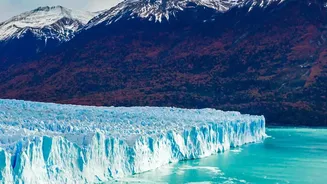
serene mountain pools; they are vast reservoirs of meltwater held back by unstable natural dams made of moraine — loose rock and debris left behind by retreating glaciers. The rapid appearance of such lakes is a dramatic and visible symptom of a warming planet, where glaciers in the Himalayas are melting at an accelerated rate.
The Science of a GLOF
The primary danger these new lakes pose is a Glacial Lake Outburst Flood, or GLOF. A GLOF is the sudden and catastrophic failure of the dam containing a glacial lake. This failure can be triggered by several events: a landslide or avalanche crashing into the lake, creating a massive wave that overtops the dam; the sheer pressure of the growing body of water; or even an earthquake. The result is a terrifying surge of water, mud, and boulders that can travel over 100 kilometres downstream, destroying everything in its path with discharge rates many times greater than a normal flood.
A Ticking Climate Clock
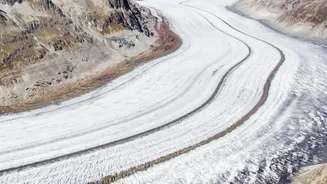
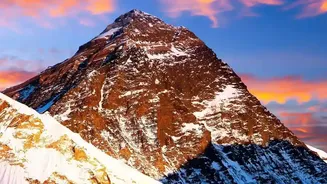
These events are becoming more frequent and severe because of climate change. The Hindu Kush Himalaya region is warming significantly faster than the global average, causing its glaciers — a vital water source for nearly two billion people — to melt at double the rate they did before the year 2000. As glaciers retreat, they leave behind more and larger lakes. Between 1977 and 2017, the number of glacial lakes in Nepal grew from 606 to 1,541. This proliferation of unstable lakes across the high mountains dramatically increases the overall risk of a GLOF disaster for the entire region.
The Human Cost Downstream
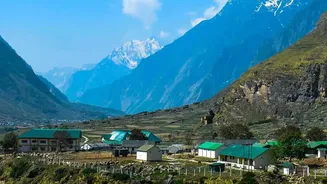
For the people living in the valleys below, the threat is existential. A GLOF can wipe out entire villages, roads, bridges, and critical infrastructure like hydropower plants, which are vital to Nepal's economy. A single major GLOF event can cause hundreds of millions of dollars in damage and, most tragically, result in significant loss of life. The suddenness of the flood often leaves little time for evacuation, as seen in recent disasters where water levels surged dramatically in minutes, catching communities completely off guard. The recent flash floods in Nepal, which left thousands missing, are a devastating reminder of this vulnerability.
Can the Danger Be Managed?
While stopping glaciers from melting requires global action on climate change, there are measures Nepal is taking to mitigate the immediate risk. One key strategy is to carefully lower the water levels of the most dangerous lakes. At Tsho Rolpa and Imja Tsho, engineers successfully constructed outlet channels to drain water in a controlled manner, reducing the pressure on their fragile moraine dams. Another critical tool is the implementation of early warning systems. These systems use sensors to monitor water levels and can provide downstream communities with precious minutes or hours to evacuate before a flood hits. However, the scale of the problem is immense, with dozens of potentially dangerous lakes identified and limited resources to address them all.