






The Myth of the 'Perfect' Banana Window
Let’s peel back the layers on this popular belief. You may have heard that bananas are a morning-only food, or perhaps a pre-workout essential. Others might warn against eating them on an empty stomach or before bed. The truth is, there is no single 'perfect'
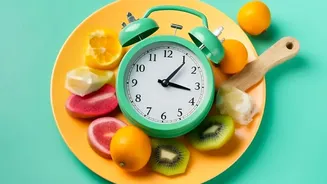
time to eat a banana that applies to everyone. The ideal moment depends entirely on your personal health goals, your digestive system, and your daily routine. Rather than fixating on the clock, it's more helpful to understand how a banana's properties can serve you at different times of the day and, more importantly, at different stages of ripeness.
Morning Boost or Sugar Spike?
Eating a banana in the morning is a popular way to start the day. They provide a quick source of carbohydrates for energy and contain fibre to aid digestion. However, eating a banana alone on an empty stomach might not be the best strategy for everyone. Because ripe bananas contain natural sugars, they can cause a relatively quick rise in blood sugar for some individuals, which may be followed by a slump in energy. To avoid this, and to create a more balanced meal, nutritionists suggest pairing your morning banana with a source of protein or healthy fat, such as Greek yoghurt, a handful of nuts, or peanut butter. This combination slows down the absorption of sugar, providing more sustained energy to carry you through the morning.
The Ultimate Pre-Workout Fuel
This is one timing rule that has strong evidence behind it. Eating a banana 30 to 60 minutes before exercise is an excellent way to fuel your body. They are rich in easily digestible carbohydrates, which your body converts into glucose to power your muscles. Unlike processed snacks, the fibre in bananas helps ensure a steady release of energy, preventing a crash mid-workout. Furthermore, bananas are packed with potassium, an essential electrolyte that helps with muscle function and can prevent cramps. This makes them a convenient, natural, and effective pre-workout snack for both endurance athletes and casual gym-goers.
The Night-Time Sleep Aid Debate
Can a banana before bed help you sleep? The idea has merit, though the science isn't entirely definitive. Bananas contain several nutrients associated with relaxation and sleep. They offer magnesium and potassium, which can help relax muscles and may reduce nighttime awakenings. They also contain the amino acid tryptophan, which the body uses to produce serotonin and melatonin—hormones that regulate mood and the sleep-wake cycle. While a single banana isn't a cure for insomnia, it can be a healthy and satisfying late-night snack that may gently support a restful night, especially if it replaces a less healthy, high-sugar treat.
Ripeness: The Factor That Matters Most
Instead of focusing on what time it is, consider how ripe your banana is. A banana's nutritional profile changes significantly as it matures. Underripe, greener bananas are high in resistant starch and have less sugar. This starch acts like fibre, promoting gut health and keeping you feeling full for longer, which can be beneficial for blood sugar control. As a banana ripens and turns yellow, its starch converts into simple sugars, making it taste sweeter and providing a quicker source of energy. Very ripe bananas with brown spots are the sweetest and easiest to digest, making them perfect for a quick pre-workout boost or for baking. Choosing the right ripeness for your needs is a far more effective strategy than worrying about the clock.