

A Homecoming Decades in the Making
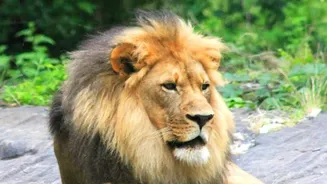
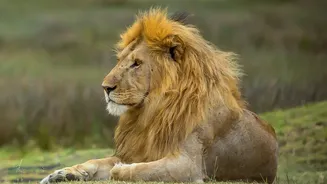
The Barda Wildlife Sanctuary, about 100 kilometres from the famous Gir National Park, is now officially the second home for Asiatic lions in India. This historic development is part of Project Lion, a long-term conservation initiative. The process has
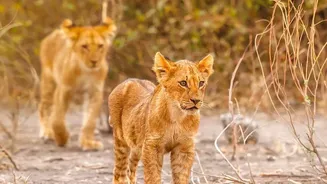
been a blend of natural migration and planned conservation. It began in January 2023 when a male lion naturally dispersed from the Gir landscape and made its way to Barda. Following this, the Gujarat Forest Department augmented this budding population by introducing five lionesses to establish a breeding nucleus. Recent studies and counts confirm that the sanctuary now supports a population of at least 17 lions, including adults and cubs, marking a successful return to a habitat they last occupied in 1879.
Why Gir's Success Created a New Challenge
The need for a second home is ironically a result of incredible conservation success. From a perilous low of just a few dozen lions in the early 20th century, India's efforts have seen the Asiatic lion population rebound dramatically. The 2025 census recorded 891 lions, a significant increase from 674 in 2020. But this success has put immense pressure on the Gir landscape. With the sanctuary approaching its carrying capacity, lions are increasingly dispersing outside protected areas into human-dominated farmlands and villages, which increases the risk of human-wildlife conflict. More critically, concentrating the entire global wild population of a species in one area creates a massive vulnerability. A single catastrophic event, like an epidemic or a natural disaster, could devastate the lions. The 2018 outbreak of Canine Distemper Virus, which killed several lions, served as a stark warning of this exact danger.
Barda: The Perfect Insurance Policy
Barda Wildlife Sanctuary was identified as the ideal second location for several reasons. Scientific studies have confirmed its suitability, noting that its rugged terrain, forests, and prey base can support a long-term lion population. For years, the forest department has been preparing the sanctuary by boosting the prey population, including chital and sambar, through dedicated breeding centres. The government is also actively managing the area to make it more hospitable for the big cats. This includes restructuring the local forest division for better management and announcing a financial package to incentivise the voluntary relocation of pastoral 'maldhari' communities from within the sanctuary's core. By establishing a geographically separate but connected population, Barda acts as a crucial ecological insurance policy, safeguarding the species' future.
The Road Ahead for Project Lion
The establishment of lions in Barda is a major milestone for Project Lion, which aims for the holistic conservation of the species across the wider Saurashtra landscape. Researchers are closely monitoring the new population, using radio collars to track their movements, habitat use, and social dynamics. The data gathered shows the lions are adapting well, with a healthy diet and natural breeding patterns emerging. The success in Barda strengthens the 'metapopulation' approach to conservation, where a species is managed across multiple, separate locations to ensure genetic diversity and resilience against threats. This move is not just about protecting lions; it is about ensuring they can perform their ecological role and retain their evolutionary potential for generations to come, a key goal of the conservation project.