








A Return to Tactile Sensation
The modern performance car is facing an identity crisis. As dashboards become dominated by vast, gleaming touchscreens, a growing number of drivers are missing the simple, tactile satisfaction of a physical button or a well-weighted dial. Into this debate
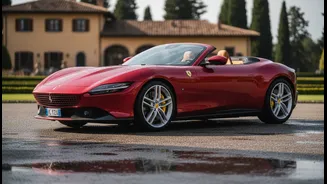
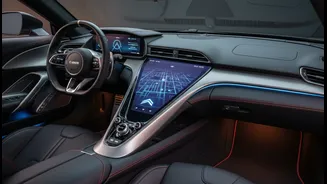
arrives the Ferrari Amalfi Spider, the convertible successor to the acclaimed Roma. While packed with cutting-edge systems, its design philosophy makes a deliberate and welcome statement: technology should be a silent partner, not the main event. Responding to customer feedback on previous models, Ferrari has notably reintroduced physical buttons on the steering wheel, including a classic, tactile red engine start button. This is more than just a nostalgic touch; it’s an ergonomic decision that places essential controls back at the driver's fingertips, allowing them to remain focused on the road rather than navigating sub-menus on a screen. The car doesn’t shun screens entirely, featuring a 15.6-inch digital instrument cluster and a new 10.25-inch central display, but their integration feels more balanced and driver-centric.
Minimalism with a Soul
The design of the Amalfi Spider, directed by Flavio Manzoni, is described as a "monolithic speedform". This approach favours fluid, minimalist surfaces that give the car a clean, sculpted look without feeling cold or generic. Where some minimalist car designs risk losing their character, the Amalfi Spider retains a distinct personality. The exterior is a study in aerodynamic elegance, with every line serving a purpose while contributing to a timeless silhouette. This philosophy extends to the interior’s dual-cockpit layout, which creates a distinct space for both driver and passenger, wrapping them in an environment that feels both sporty and intimate. The focus is on high-quality materials and a layout that flows organically, from the dashboard to the door panels and central tunnel. It proves that a clean design doesn't have to be sterile; it can be warm, inviting, and full of character.
Technology That Serves the Experience
The most impressive aspect of the Amalfi Spider is how its technology enhances, rather than distracts from, the driving experience. Under the hood, a formidable 631-horsepower twin-turbo V8 engine provides thrilling performance, capable of launching the car from zero to 62 mph in just 3.3 seconds. Yet, the technology is about more than raw power. The car features Ferrari's latest brake-by-wire system (ABS Evo) and Side Slip Control system, which work together to provide incredible stability and precision during spirited driving without feeling intrusive. The five-layer fabric soft-top is another marvel of engineering. It opens or closes in just 13.5 seconds at speeds up to 37 mph and provides acoustic and thermal insulation on par with a retractable hard top, ensuring comfort in all conditions. Even the wind deflector, integrated into the rear bench, is thoughtfully designed to deploy at the touch of a button, reducing turbulence for a more pleasant open-air drive.
An Argument for Emotional Engagement
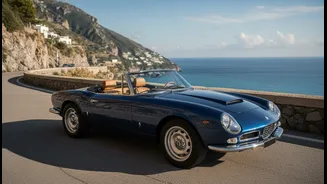
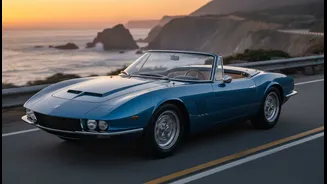
Ultimately, the Amalfi Spider is more than just a car; it's a rolling argument for the importance of emotional engagement in an increasingly digital world. By prioritising tactile controls, a driver-focused cockpit, and technology that operates seamlessly in the background, Ferrari reminds us what a grand tourer should be: a machine that connects you to the road and the environment. It’s a vehicle designed for those who seek sporting thrills without compromising on comfort and style. The experience is not about the size of the screen but about the sound of the V8, the feel of the steering, and the sensation of open-air freedom. The car’s name itself evokes images of scenic drives and timeless elegance, a promise fulfilled by its thoughtful design. In a world saturated with technology, the Amalfi Spider proves that the ultimate luxury is a connection to the pure, unmediated joy of driving.