







An Unprecedented Tourism Boom
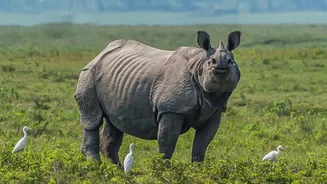
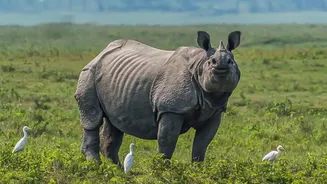
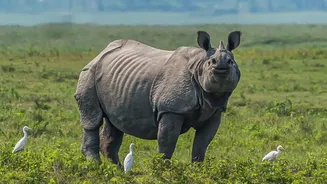
Assam's wildlife tourism is experiencing a remarkable surge. In the 2025-26 season, Kaziranga National Park alone welcomed a record-breaking 4.68 lakh visitors, a significant jump from previous years that included a sharp rise in international tourists.
This influx isn't limited to Kaziranga; other protected areas like Raimona National Park have also seen visitor numbers nearly quadruple recently. This boom is a powerful engine for local economies, creating jobs for safari drivers, tour guides, and hospitality workers, while supporting countless small businesses around the parks. However, officials are keenly aware of the double-edged sword. The threat of "overtourism" looms large, with concerns that an uncontrolled flood of visitors could damage the very biodiversity and natural beauty that attracts them in the first place. This has prompted a critical conversation, with the state government recently launching consultations to draft a new roadmap for the future.
Rethinking 'Better Facilities'
When discussing better facilities, the vision extends far beyond simply building more concrete hotels. The emerging consensus focuses on smart, sustainable development. This means investing in eco-lodges that blend with the landscape, use renewable energy, and prioritize water conservation. It also means tackling practical challenges like waste management, a growing issue in the parks' buffer zones. Furthermore, a key strategy is to diversify the visitor experience. Instead of concentrating all activity on jeep safaris, Assam is developing a wider portfolio of attractions. This includes boat safaris on the Brahmaputra, new cycling and trekking trails, curated birding circuits, and immersive tea tourism experiences in the state's famous gardens. By spreading visitors across different activities and locations, the pressure on the most popular core zones of the parks can be significantly reduced.
The Community as a Cornerstone
Perhaps the most critical component of a sustainable model is placing local communities at its heart. The principle of community-based ecotourism is gaining significant ground, moving away from a system where revenue is captured only by large operators. This approach involves empowering villagers through homestay programmes, where tourists experience authentic local culture and hospitality. It also means training and employing local people as expert guides and conservation staff, giving them a direct stake in protecting their natural heritage. When communities benefit directly from tourism, they become the most effective guardians of the forests and wildlife. This model transforms conservation from an external mandate into a shared local enterprise, ensuring that economic prosperity and environmental stewardship go hand in hand.
Walking the Ecological Tightrope
The ambition to grow tourism must respect Assam's unique and fragile ecology. Certain natural cycles are non-negotiable. For instance, officials have clarified that year-round tourism within Kaziranga's core areas is not feasible. The annual monsoon floods, which may seem destructive, are a vital process that rejuvenates the park's grasslands and wetlands, sustaining its entire ecosystem. Balancing development with conservation also requires innovative infrastructure solutions. A key project on the horizon is the Kaziranga Elevated Corridor, a series of elevated roads designed to allow wildlife to move safely between habitats, even as human connectivity improves. These measures acknowledge a fundamental truth: the long-term success of tourism is entirely dependent on maintaining the health and integrity of the wildlife and their habitats.
A Blueprint for Balanced Growth
Assam is at a pivotal moment, with the opportunity to create a global blueprint for responsible wildlife tourism. The state's Tourism Policy 2022 already lays the groundwork, emphasizing sustainability and diversification. The current government-led effort to gather suggestions from all stakeholders—from hotel owners to local community leaders—is a crucial next step in putting those principles into practice. The path forward lies in a carefully integrated approach: strengthening science-based conservation, investing in low-impact infrastructure, promoting community-led initiatives, and broadening the range of visitor experiences. By doing so, Assam can ensure that its tourism sector not only grows, but thrives in a way that enriches local communities and preserves its unparalleled natural treasures for generations to come.