




More Than Just a Meal
Creating a menu for astronauts is a complex scientific endeavour. In the microgravity of space, simple things like crumbs can become a serious hazard, capable of floating into and damaging sensitive equipment or being inhaled by the crew. Therefore, food
must be specially designed to be low-fragmentation. Furthermore, astronauts' bodies undergo significant stress, including bone density loss and muscle atrophy, making a carefully balanced, nutrient-rich diet absolutely critical. Each meal must provide around 2,500 calories, packed with all the necessary vitamins and minerals to keep the crew healthy and high-performing hundreds of kilometres above Earth. The psychological comfort of familiar, tasty food is also a vital component for astronauts living in a confined and stressful environment far from home.
A Taste of India in Orbit
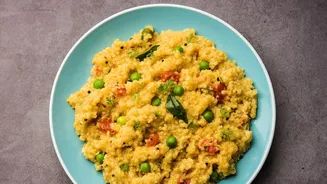
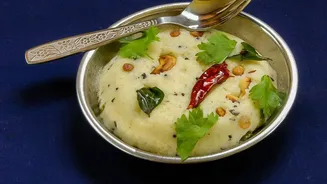
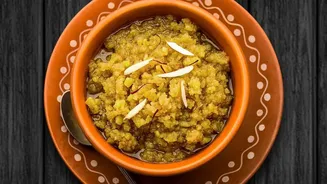
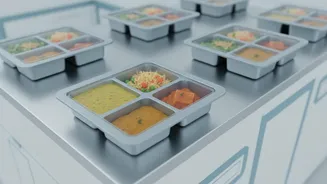
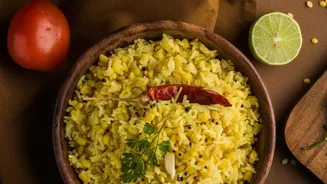
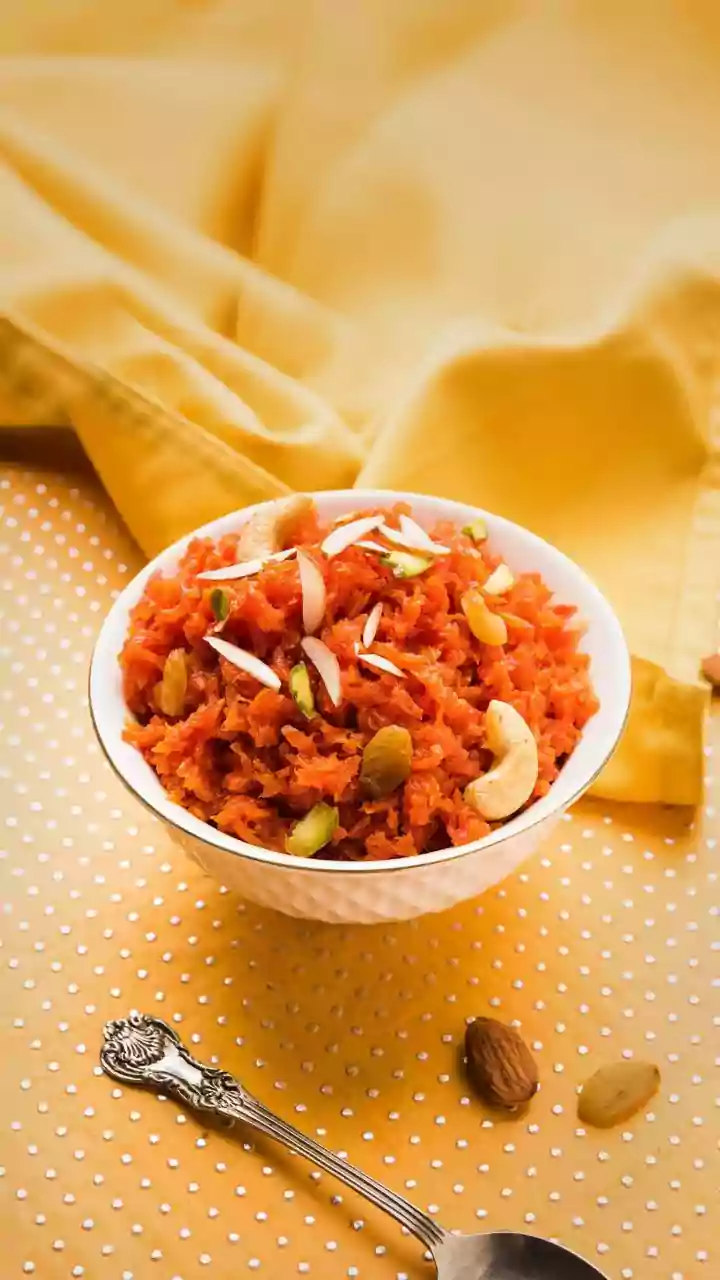
For India's Gaganyaan mission, the task of designing this specialized menu falls to the Defence Food Research Laboratory (DFRL) in Mysuru. Drawing on its long history of creating food for the armed forces, DFRL has developed an extensive menu that brings Indian flavours to the final frontier. The proposed list includes favourites like chicken biryani, veg pulao, moong dal halwa, shahi paneer, and even aloo paratha. In a nod to the comfort of familiar tastes, mango pickle is also on the menu. DFRL, which also supplied food for Rakesh Sharma's 1984 mission, works closely with ISRO to ensure the meals are suitable. The dishes are modified to be less spicy and oily to meet strict dietary regulations for microgravity.
Surviving the Rigours of Launch
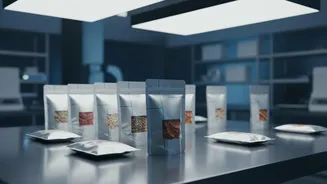
Before a meal can be enjoyed in space, it must first survive the journey there. A rocket launch subjects its payload to extreme vibrations and immense gravitational forces, or G-forces. This intense stress can easily damage food packaging or alter the food's texture, rendering it inedible. To combat this, space food is packed in special multi-layered pouches, often made of flexible materials like plastic or aluminum foil, which are then vacuum-sealed. This packaging must be robust enough to withstand the launch while remaining lightweight and compact to save precious cargo space. Every item undergoes rigorous testing to ensure it arrives in orbit intact and safe for consumption.
The Challenge of Long-Term Storage
Once in orbit, there are no refrigerators for food storage on most spacecraft. This means all meals must have a long shelf life, often needing to remain safe and nutritious for a year or more at room temperature. To achieve this, DFRL employs advanced food preservation techniques. One key method is retort processing, a form of thermal sterilization where food is cooked in its pouch at high temperatures to kill any harmful bacteria and enzymes that could cause spoilage. Other methods like irradiation and freeze-drying are also used, which remove water or use radiation to preserve the food without compromising its nutritional value. These processes ensure that when an astronaut opens a meal months into a mission, it's as safe and fresh as the day it was packed.
Adapting to a Zero-Gravity Palate
A peculiar side effect of living in space is that astronauts' sense of taste can become dulled. In microgravity, bodily fluids shift upwards towards the head, causing a sensation similar to having a stuffy nose. Since our sense of smell is crucial to how we perceive flavour, this congestion can make food seem bland. To counteract this, space meals are often formulated to be more flavourful or spicier than their Earth-based counterparts. DFRL scientists carefully consider this when developing recipes, ensuring that the biryani and halwa served in orbit will be just as delicious and satisfying as they would be at home, providing a crucial morale boost for India's space pioneers.