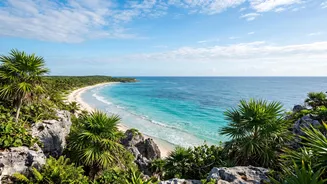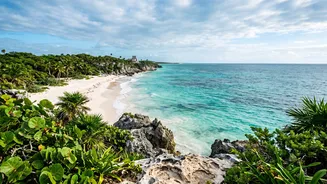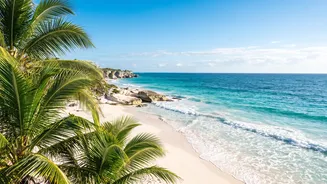







The vision of a Mexican Caribbean vacation often involves turquoise water and white sand. But for many recent visitors to Cancun and Tulum, that dream now comes with a surprisingly high price tag, prompting questions about the region's value.
The Sticker Shock on the Sand
For years,
Mexico's Quintana Roo state was seen as a reliably affordable paradise. Today, travelers arrive in Cancun and Tulum to find costs that can feel more aligned with premier US or European destinations. Expenses for hotels, dining, and even taxis are significantly higher than many expect. A mid-range traveler can now expect to spend between $150 and $250 USD per day, with accommodation making up the largest portion of the budget. This shift is driven by a combination of factors, turning what was once a budget-friendly escape into a considerable financial investment.
The 'Tulum-flation' Effect
Tulum, in particular, has transformed from a sleepy beach town into a global hotspot for influencers and luxury travelers, a phenomenon some call 'Tulum-flation'. This has created a stark divide between the more affordable town center ('Pueblo') and the highly expensive beach hotel zone ('Zona Hotelera'). In the hotel zone, boutique hotels, exclusive beach clubs, and high-end restaurants command premium prices. This curated 'boho-chic' vibe, while photogenic, comes at a cost that is passed directly to visitors seeking that specific experience. This shift toward a luxury market means you are paying a premium for an ambiance that is heavily marketed on social media.
Infrastructure and Demand
Beyond the social media hype, real-world economics are at play. The post-pandemic travel boom saw a surge in demand for destinations like Cancun and Tulum. This influx has strained local infrastructure, from electricity to water. In Tulum's more remote hotel zone, many businesses must generate their own power and transport in water, adding significant operational costs that are reflected in their prices. Furthermore, the popularity has driven up the cost of everything from tour entrance fees to taxis, which are notoriously unmetered and expensive. Even getting around can add up, with a short taxi ride from Tulum town to the beach costing anywhere from $15 to $25 USD.
The Sargassum Situation
An ongoing environmental challenge is also impacting budgets: sargassum. Massive seasonal influxes of this seaweed have plagued the Caribbean coast. While not a problem yearrdound, when it arrives, it blankets beaches and releases a strong odor as it decomposes. Hotels and local governments invest heavily in containing and removing the seaweed, installing barriers at sea and running daily cleanup crews on the shore. These efforts are costly, with cleanup in Cancun's hotel zone alone estimated at $150 million annually, and these expenses are inevitably factored into hotel rates and local taxes.
Is It Still Worth It? Strategies and Alternatives
So, is a trip to Cancun or Tulum still a good value? The answer depends on your expectations and travel style. For those seeking all inclusive resorts with extensive amenities, Cancun often provides better value than Tulum’s pricier boutique offerings. To manage costs, consider traveling during the shoulder season (September to November) for lower prices. Staying in downtown Cancun or Tulum Pueblo and using public transport is significantly cheaper than the tourist focused hotel zones. For travelers open to other options, Mexico offers plenty of less crowded and more affordable beach towns. Destinations like Isla Mujeres, Holbox, Bacalar, and Mahahual offer a similar Caribbean feel without the premium price tag.