






Why Portion Size Matters
Controlling portion sizes is a cornerstone of healthy eating, but it is often misunderstood. It is not about restrictive dieting, but about understanding what your body needs to feel energised and satisfied. Consuming appropriate portions helps regulate
calorie intake, which is fundamental for weight management. Beyond weight, it supports better digestion by preventing the system from being overloaded, helps stabilise blood sugar levels, and can reduce the risk of chronic conditions like heart disease and diabetes. By being mindful of how much you eat, you can ensure a balanced intake of essential nutrients without the negative effects of overeating. Ultimately, it fosters a healthier, more intuitive relationship with food.
Use Your Hands as a Guide
You do not need measuring cups and scales for every meal. Your own hands are a portable, personalised tool for estimating portions. For protein like meat, fish, or paneer, a serving is roughly the size and thickness of your palm (without the fingers). A closed fist is a good measure for a cup of vegetables or a serving of fruit. A cupped handful can represent about half a cup of cooked rice, pasta, or dal. For fats like butter, oil, or ghee, the tip of your thumb is equivalent to about one teaspoon. Using these visual cues can help you build a balanced plate anywhere, from your home to a restaurant.
Redesign Your Dining Environment
The environment in which you eat plays a significant role in how much you consume. One of the most effective tricks is to use smaller plates and bowls. A smaller dish makes a standard portion look more abundant, tricking your brain into feeling more satisfied. Another key strategy is to avoid eating directly from large packets or containers. Instead, serve a single portion into a bowl and put the rest of the package away. This simple act creates a pause, preventing mindless overconsumption while watching television or working. When you cook, consider portioning out leftovers into single-serving containers immediately, making future healthy meals quick and easy.
Embrace the Power of Mindful Eating
Portion control is deeply connected to mindful eating—the practice of paying full attention to the experience of eating. Before you start a meal, take a moment to assess your hunger. Are you truly hungry, or just bored or stressed? When you eat, minimise distractions like your phone or the television. Focus on the food: its colours, textures, smells, and flavours. Chew slowly and put your fork down between bites. This gives your brain the time it needs—about 20 minutes—to receive fullness signals from your stomach. This practice helps you recognise when you are comfortably full, not just when your plate is empty.
Build a Heart-Smart Indian Thali
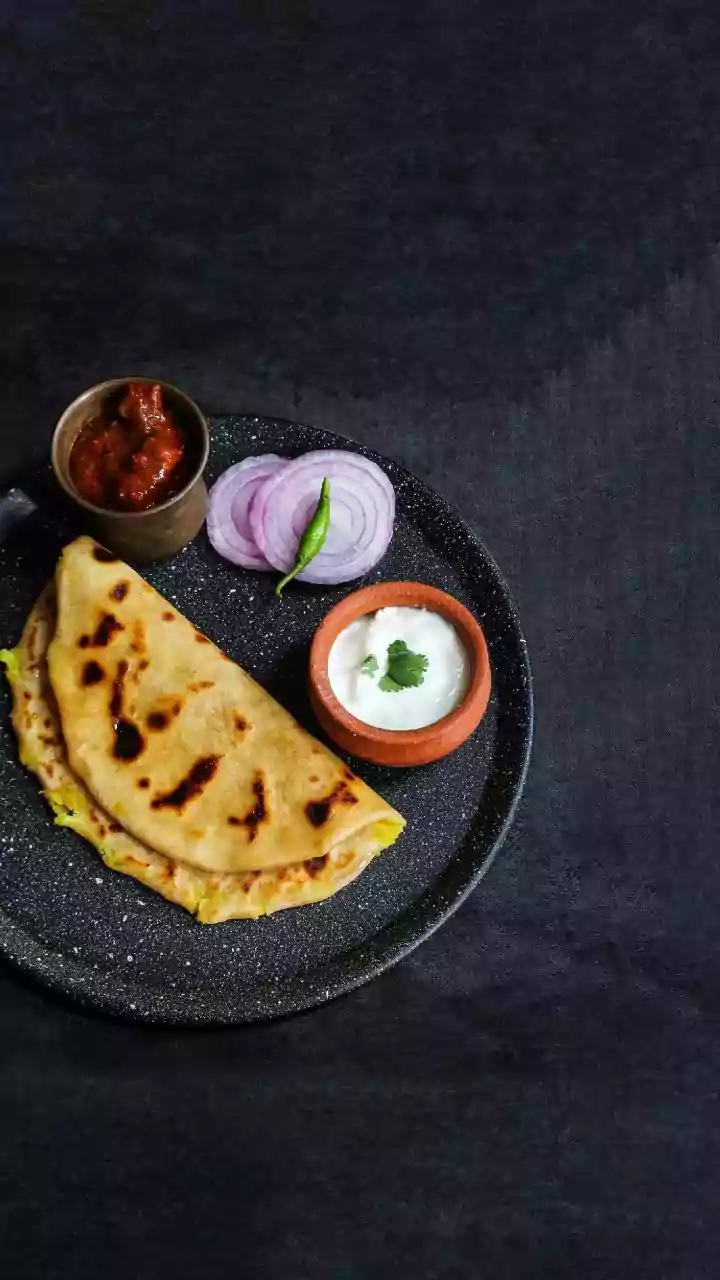
In the context of Indian meals, where multiple dishes are served together, a balanced plate is key. A practical approach is the 'plate method'. Fill half of your thali or plate with non-starchy vegetables like leafy greens, broccoli, or bhindi. One quarter should be dedicated to a lean protein source, such as dal, chickpeas, fish, or chicken. The final quarter can be for whole grains or starchy foods like roti, brown rice, or potatoes. This visual division naturally controls portions while ensuring a nutrient-dense meal. For example, a balanced meal could be two rotis, a small bowl (katori) of dal, a generous serving of sabzi, and a side of salad. This approach respects traditional eating patterns while promoting better health.