







A Dual Strategy: AI for All
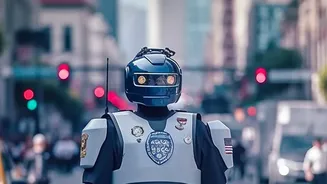
On the surface, championing AI while worrying about employment seems like a contradiction. However, India's approach, often encapsulated by the philosophy of 'AI for All', treats artificial intelligence not as a threat but as a tool for inclusive growth.
The government's vision, supported by bodies like NITI Aayog, is to become a global leader in AI by leveraging it to solve India-centric challenges in sectors like agriculture, healthcare, and public administration. This push is part of a broader strategy to transform the nation's digital economy and enhance global competitiveness. The goal isn't to replace humans but to augment their capabilities, boosting productivity and creating a pathway for sustained economic expansion.
The Job Creation Paradox
The fear of AI-driven job loss is real, particularly for routine roles in data entry, customer support, and basic coding. Reports acknowledge that some displacement is inevitable as AI automates repetitive tasks. However, the dominant narrative from policymakers is that AI will be a net job creator. Projections from NITI Aayog suggest that with a strategic, mission-mode approach, India could create up to four million new AI-enabled jobs by 2030, turning disruption into opportunity. This requires a massive national effort to reskill and upskill the workforce, preparing them not just to use AI tools but to innovate with them. The focus is on job transformation rather than displacement, enabling workers to shift to more creative and analytical roles.
Tourism: The Perfect Test Case
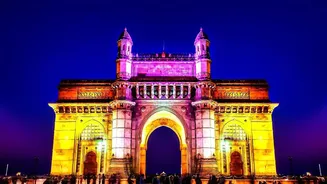
The tourism sector serves as a prime example of this dual strategy in action. While the adoption of AI in Indian tourism is still in its early stages, its potential is immense. AI is not about replacing tour guides with robots; it's about fundamentally enhancing the travel experience. AI-powered platforms can offer hyper-personalized travel recommendations, analysing a user's preferences to create unique itineraries. Chatbots and virtual assistants provide 24/7 customer support, while dynamic pricing algorithms help airlines and hotels optimize their offerings. Behind the scenes, AI tools assist with crowd management at major pilgrimage sites, predictive maintenance in hotels, and data analytics for tourism boards to forecast demand.
New Roles in an Ancient Industry
This technological infusion doesn't eliminate the need for people; it changes the nature of their work and creates new roles entirely. For instance, as AI handles bookings and basic queries, there is a greater need for human 'experience managers' who curate unique cultural activities. The rise of virtual and augmented reality tours of heritage sites requires 3D artists and content creators. Data analysts are needed to interpret the insights generated by AI to improve services. Moreover, AI can help small, local vendors and artisans by providing market insights and connecting them to a wider audience, thereby decentralising the economic benefits of tourism. This transforms the sector, creating higher-value jobs that leverage human creativity, strategy, and interpersonal skills.
A Blueprint for the Future
The strategy applied to tourism is a blueprint for other sectors. In agriculture, AI provides crop intelligence; in healthcare, it assists with diagnostics; and in education, it enables personalised learning. The common thread is using technology to solve complex problems while creating new economic value chains and the jobs that come with them. By establishing a National AI Talent Mission, the government aims to integrate AI fluency into education at all levels, from schools to universities, ensuring the next generation is prepared. The vision is clear: to build an AI-ready nation where technology serves as an engine for inclusive prosperity, enhancing human potential rather than making it obsolete.