





Tomatoes: From Juicy to Mealy
A sun-ripened tomato is one of summer's greatest pleasures, but the cold of a refrigerator is its worst enemy. Chilling a tomato halts the natural ripening process and, more importantly, breaks down the delicate membranes within its cell walls. This damage
is what turns a firm, juicy tomato into a soft, mealy, and flavourless disappointment. For the best taste and texture, keep your tomatoes on the counter, ideally stem-side down to prevent moisture loss. However, the rule isn't absolute. If your tomatoes are perfectly ripe and you won't eat them for a few days, placing them in the fridge can temporarily slow down further ripening and prevent spoilage.
Potatoes: A Sweet, Gritty Mistake
Potatoes thrive in cool, dark, and well-ventilated places—but not the refrigerator. When stored in the cold, the starch in a potato begins to convert into sugar. This not only gives the potato an unpleasantly sweet taste but also affects its cooking properties, often resulting in a gritty texture and uneven browning. The ideal storage is a pantry or a dark cupboard. It’s also important to keep them separate from onions. Onions release ethylene gas, which can cause your potatoes to sprout prematurely.
Onions and Garlic: Keep Them Dry and Airy
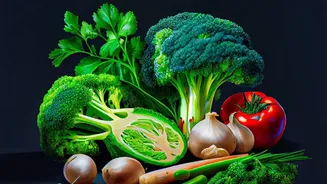
Like potatoes, whole onions and garlic do best in a cool, dry, and dark place with good air circulation. A mesh bag or an open basket works perfectly. The humidity inside a refrigerator can cause them to become soft, rubbery, and prone to sprouting or moulding much faster. Don't store them in plastic bags, which trap moisture and accelerate decay. Once you've cut an onion or separated garlic cloves, however, the rules change. Leftover cut onions should be wrapped tightly and stored in the fridge to be used within a few days.
Bread: The Fast Track to Stale
It seems logical that refrigerating bread would keep it fresh, but the opposite is true. The cold, dry air of the fridge accelerates the process of staling, making bread hard and dry much faster than if it were left at room temperature. This happens because the cold temperatures cause the starch molecules to recrystallize more quickly. For short-term storage (a few days), a bread box or a paper bag on the counter is your best bet, as it allows for some airflow without drying the bread out. If you need to store bread for longer, your freezer is the answer. Slicing the loaf before freezing allows you to take out just what you need.
Honey: Natural and Shelf-Stable
Honey is a natural preservative and simply does not need to be refrigerated. In fact, cold temperatures will only do harm. Refrigeration speeds up the process of crystallization, turning smooth, liquid honey into a thick, grainy, and difficult-to-use solid mass. The best way to store honey is in a tightly sealed jar in a cool, dry pantry, away from direct sunlight. Its natural properties keep it safe to eat almost indefinitely.
Coffee: A Sponge for Odours
Whether you have whole beans or ground coffee, the refrigerator is not the place for it. Coffee is highly porous and will absorb moisture and odours from the surrounding environment. This means your morning brew could end up tasting like last night's leftovers. The moisture in the fridge can also cause the flavourful oils in the beans to degrade, resulting in a bland, dull cup. To preserve its rich aroma and taste, store coffee in an airtight container in a dark cupboard or pantry.