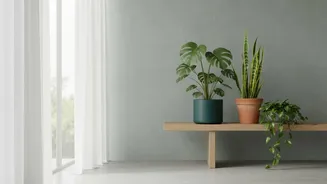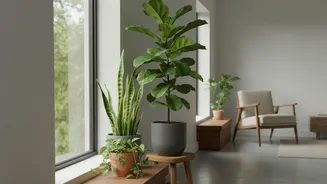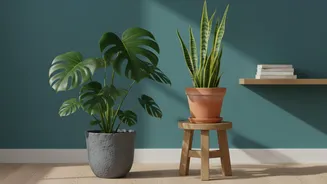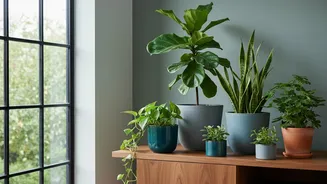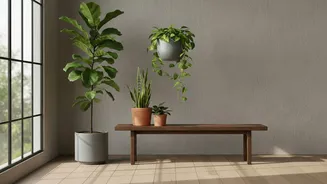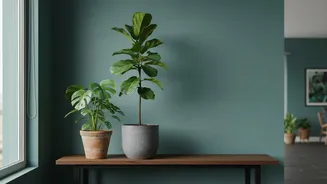


Light is a Plant's Food
The single most important factor for a houseplant's survival is light. Photosynthesis, the process plants use to create energy, is entirely dependent on it. Different plants have evolved in vastly different environments, from sun-drenched deserts to the shaded
floors of dense rainforests. This means a plant that thrives in one person's home might struggle in another's, all because of the light available. For this reason, plant shopping shouldn't start with what looks pretty, but with an honest assessment of the light you can provide. And the easiest way to understand that light is to know which direction your windows face.
North-Facing Windows: The Low-Light Haven
North-facing windows offer the least amount of light, providing gentle, indirect brightness throughout the day but never direct sun. This might sound challenging, but many popular houseplants prefer these exact conditions, as direct sun can scorch their leaves. For a room to be considered low-light, you should still be able to comfortably read a book in it during the day. Plants in these conditions will need less water. Great choices for these spots include the almost indestructible Snake Plant (Dracaena trifasciata), the ZZ Plant (Zamioculcas zamiifolia) with its glossy leaves, and the trailing Pothos (Epipremnum aureum), which is famously forgiving for beginners. The Peace Lily, which can produce its iconic white flowers in lower light, is another excellent option.
East-Facing Windows: The Gentle Morning Sun
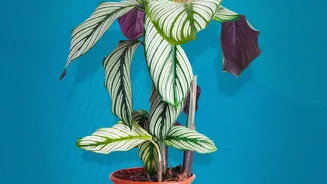
An east-facing window is a sweet spot for a huge variety of plants. They receive a few hours of direct morning sun, which is much softer and less intense than afternoon light. For the rest of the day, the light is bright and indirect. This mimics the natural habitat of many tropical plants. This is an ideal location for Prayer Plants (Calathea), which have stunningly patterned leaves, as well as many types of Ferns, Hoyas, and Peperomia. Even the popular Fiddle Leaf Fig can thrive here, as it enjoys the bright light without the risk of its leaves getting burnt by harsh afternoon rays.
South-Facing Windows: The Sunshine Powerhouse
In the northern hemisphere, south-facing windows provide the most intense and longest-lasting light throughout the day. This is the sunniest spot in your home, perfect for plants that crave direct light. Cacti and most succulents, like Aloe, will be very happy here. Other sun-lovers include Crotons, with their colourful foliage, and Sago Palms. However, this intense light can also generate a lot of heat. For many other tropical plants, the direct sun from a south-facing window can be too much and burn their leaves. You can mitigate this by placing plants a few feet back from the window or by using a sheer curtain to diffuse the light.
West-Facing Windows: Intense Afternoon Heat
West-facing windows offer a unique challenge and opportunity. They receive the full force of the hot afternoon and evening sun. This light is very intense and can quickly heat up a room. While this can be too harsh for delicate plants, some hardy varieties will thrive. Sun-loving succulents and cacti will do well, as will certain robust plants like a Bird of Paradise or some Tradescantia varieties. For many other plants that enjoy bright, indirect light, the key is placement. Position them near the window but out of the direct path of the sun's strongest rays to avoid scorching.
Look Beyond Just the Direction
While window direction is your primary guide, don't forget to look outside. Are there large trees, awnings, or neighbouring buildings that obstruct the light? A south-facing window shaded by a large mango tree might actually provide medium, filtered light instead of direct sun. Similarly, remember that light changes with the seasons. A spot that is perfect in winter might become too intense in the summer. Take a day to observe how the light moves through your rooms. This simple act of observation will make you a more intuitive and successful plant parent, helping you choose plants that are truly set up to succeed.