



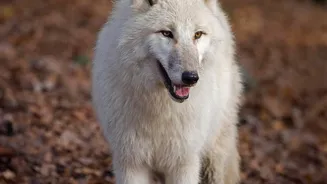
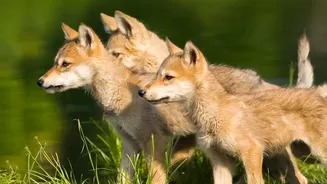
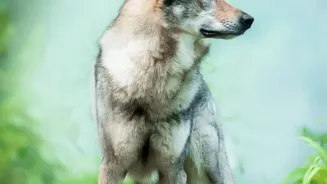
The Return of an Apex Predator
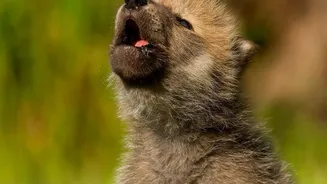
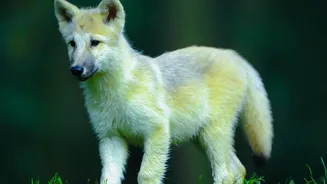
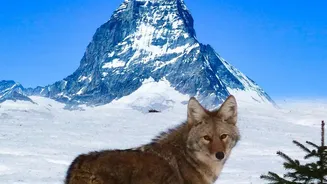
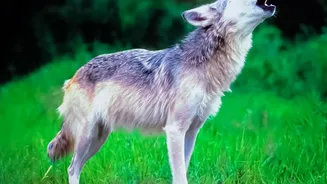
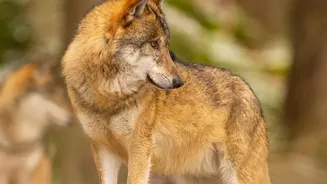
Not long ago, the howl of a wolf was absent from most European landscapes. Today, it’s a different story. After decades of conservation efforts and legal protections, wolf populations are steadily rebounding. By 2022, estimates suggested more than 21,500
wolves roamed the continent, a dramatic increase of nearly 60% in just a decade. Countries like Italy, Spain, Romania, and Germany now host populations of over a thousand individuals each. This resurgence is a testament to the species’ resilience and its ability to adapt to human-dominated landscapes, reclaiming territory from the Apennine Mountains to the forests of Poland.
From Fairytale Villain to Tourist Attraction
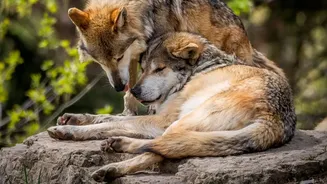
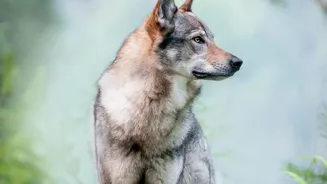
For centuries, the wolf was a symbol of fear, the villain in folklore and a perceived threat to rural life. That perception is slowly changing, partly thanks to a new industry rebranding the predator as a prize. A growing number of travelers are seeking out authentic wilderness experiences, and the chance to see a wolf in its natural habitat is a powerful draw. Adventure seekers are now booking expert-led expeditions in places like Spain’s Riaño Mountains and Italy’s Abruzzo National Park. This form of ecotourism focuses less on guaranteed sightings and more on the thrill of the chase: learning to identify tracks, understanding pack behaviour, and immersing oneself in the wild ecosystems the wolf inhabits.
What Wolf Tourism Looks Like
So, what does a wolf-tracking holiday involve? It’s far from a typical resort vacation. Tours are often led by local naturalists and conservationists in small groups to minimize disturbance. In Italy's Abruzzo, Lazio and Molise National Park, multi-day programs include hiking through wolf territory, using binoculars and thermal cameras for dawn and dusk observation sessions, and searching for signs like tracks in the snow or listening for howls that echo through the valleys. In other regions, like Romania’s Carpathian Mountains, travelers can stay in protected wildlife hides for a chance to observe wolves, bears, and other wildlife. The goal is education and appreciation, with many tours contributing a portion of their fees to local monitoring and conservation projects.
An Economic Lifeline for Rural Regions
This emerging tourism sector is providing a tangible economic boost to remote communities. The money spent by wildlife tourists on guides, family-run guesthouses, and local restaurants creates a “wildlife dividend” that can help revitalize areas facing depopulation. In Romania, one operator reports that 70% of its revenue remains in the local community, with profits directly supporting conservation work. Similarly, in Spain's Sierra de la Culebra region, an early estimate found wolf tourism brought in €450,000 in a single year from visitor spending on lodging and food alone. By placing a clear economic value on a living wolf, this model incentivizes its protection and helps counterbalance losses from livestock depredation.
Walking a Tightrope of Coexistence
Despite the benefits, the wolf’s return is not without friction. Conflicts with farmers over livestock predation remain a serious challenge. The success of wolf tourism hinges on finding a sustainable balance. This means ensuring local communities see direct benefits, implementing effective livestock protection measures, and managing tourism responsibly to avoid harming the very animals people come to see. Proponents argue that revenue from tourism can be used to fund compensation for farmers and support coexistence initiatives. It's a complex, evolving relationship where the wolf acts as both an economic asset and a source of conflict, pushing Europe to redefine its relationship with the wild.