





A Controlled Descent, Not a Freefall
First, let's clear up the most common fear: the plane is not falling out of the sky. A rapid descent is a deliberate and controlled manoeuvre. Pilots are actively 'flying' the plane, often with the help of the autopilot, following well-rehearsed procedures.
The crucial difference is control. An uncontrolled drop or stall is a very different and extremely rare event. An emergency descent is a pre-planned action taken to protect everyone on board by moving the aircraft to a safer altitude as quickly as possible, while staying within the plane's structural limits.
Why Do Rapid Descents Happen?
The most common reason for a rapid descent is a loss of cabin pressure, known as depressurisation. Commercial jets fly at high altitudes (around 35,000 feet) where the air is too thin to breathe. The aircraft's pressurisation system artificially maintains a comfortable and breathable cabin environment, equivalent to an altitude of about 8,000 feet. If this system malfunctions and the cabin pressure drops, pilots must quickly descend to an altitude where the air is breathable without assistance, which is typically 10,000 feet. This is why oxygen masks deploy automatically; they are a temporary bridge to provide oxygen while the plane gets down to that safe altitude.
The Role of Turbulence
While severe turbulence can cause sudden changes in altitude, it is different from a sustained emergency descent. Pilots may intentionally change altitude to find smoother air, which can feel like a sudden drop to passengers. However, it's important to know that modern aircraft are engineered to withstand incredible forces. The wings are designed to be flexible, and the plane's structure can handle forces far greater than those encountered in even severe turbulence. Autopilot systems are also highly sophisticated and can handle light to moderate turbulence by making minor corrections to maintain course and altitude.
What the Pilots Are Doing
When an emergency descent is necessary, pilots have a clear, practiced procedure. They will reduce engine thrust to idle, deploy speed brakes (panels on the wings that increase drag), and point the nose down to descend quickly but in a controlled manner. Their goal is to get to 10,000 feet in a matter of minutes. A descent rate of 4,000 feet per minute might sound dramatic, but it is a standard part of these procedures. During this time, the pilots' first priority is to fly the aircraft safely. They will communicate with air traffic control and, once the situation is stable, they will make an announcement to the cabin.
What You Should Do as a Passenger
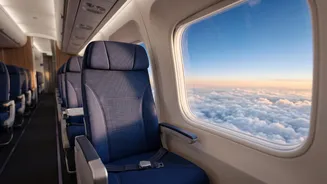
Your role is simple but crucial: stay calm and follow instructions. The most important safety measure is to keep your seatbelt fastened whenever you are seated, as this protects you from injury during unexpected turbulence or manoeuvres. If the oxygen masks deploy, pull one towards you to start the oxygen flow, place it over your nose and mouth, and breathe normally. Put your own mask on first before helping others. Listen to announcements from the flight crew, as they are trained professionals who will guide you through the situation.