






A New Generation of Medicine
They go by names like Ozempic, Wegovy, and Mounjaro. These are not traditional diet pills but a sophisticated class of drugs known as GLP-1 agonists. Originally developed to treat Type 2 diabetes, they work by mimicking a hormone that tells our brain
we are full, effectively silencing the constant mental chatter about food that many people experience. Users often report a dramatic drop in cravings for sugary, high-fat, and ultra-processed foods. For many, the desire to overeat simply vanishes. This profound change in appetite is what sets these drugs apart, turning them from a medical treatment into a powerful force of social and economic change.
The Indian Market Opens Up
For a while, these drugs were the preserve of international markets, but the landscape in India has changed dramatically. Branded versions like Wegovy and Rybelsus are available by prescription. More significantly, the patent expiry for semaglutide, the active ingredient in Ozempic and Wegovy, in March 2026 triggered a flood of generic versions from Indian pharmaceutical companies. This has drastically lowered the cost, moving the drugs from a niche, high-end product to something accessible to a much broader population. With India having over 100 million people with diabetes and a rising obesity rate, the potential user base is enormous. However, authorities are also cracking down on a growing grey market of unregulated sales, emphasizing that these are powerful Schedule H drugs that require a doctor's prescription and supervision.
The 'Ozempic Effect' on the Shopping Cart
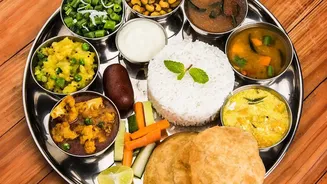
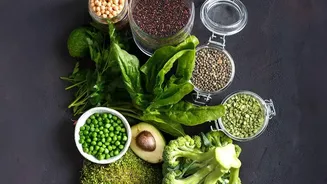
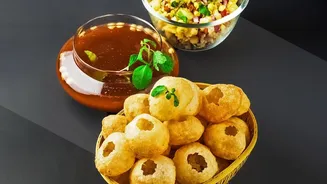
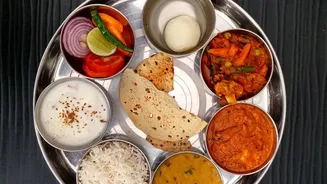
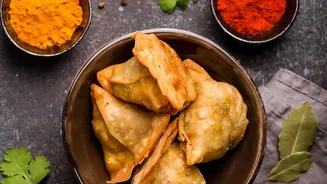
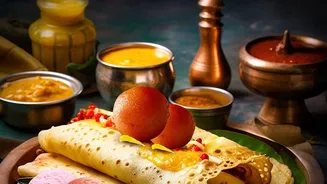
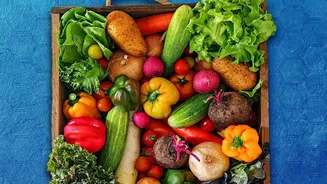
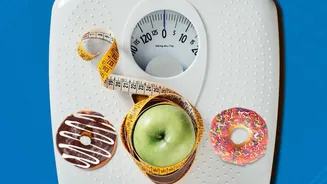
The core of the consumer shift is simple: people on these medications eat less. But they also eat differently. The waning desire for calorie-dense snacks and large meals is forcing a recalibration of household food budgets. The weekly shop starts to look different, with less space in the cart for mithai, fried snacks, and sugary soft drinks, and more for lean protein, vegetables, and fruit. It is a shift away from impulse and volume towards nutrition and portion control. This is not a change driven by willpower, like a traditional diet, but by a fundamental biological change in appetite, making the trend far more potent and potentially permanent for as long as a person is on the medication.
Food and Beverage Giants Take Notice
What happens when a significant portion of your customer base no longer craves your signature products? This is the question facing India’s massive fast-moving consumer goods (FMCG) sector. For companies built on selling snacks, sweets, and processed foods, this trend is a potential threat. But for many, it is also a multi-crore-rupee opportunity. Global giants like Nestlé are already developing companion products—specialised foods and supplements designed for GLP-1 users. These products aim to ensure proper nutrition, combat potential side effects like muscle loss with high-protein formulations, and maintain overall wellness. In India, a joint venture between Nestlé and Dr. Reddy's to launch a nutritional supplement for GLP-1 users is a clear signal of this new market's potential. Some restaurants are also adapting, reportedly introducing menus with smaller, protein-rich portions to cater to diners with reduced appetites.
A Complicated Picture
The rise of these drugs is not without challenges and concerns. The medical community is cautious, stressing that the medications are a tool, not a magic bullet. They are most effective when combined with lifestyle changes in diet and exercise, and they are not free from side effects, which most commonly include nausea and other gastrointestinal issues. There are also questions about the long-term effects and what happens when a person stops taking the drug. The high cost of branded versions raises issues of equity, although generics are helping to bridge that gap. For businesses, the path forward involves navigating a complex new reality where consumer appetites are being fundamentally reshaped by pharmacology.