






The Rise of the Unseen
Forget the usual suspects. For a growing number of young Indian travellers, the thrill of discovery lies far from the madding crowds. Recent travel data shows a significant shift towards offbeat destinations, especially during the monsoon. Instead of flocking
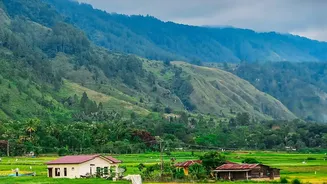
to familiar hotspots, Gen Z is venturing into regions that offer more authentic and immersive experiences. The Northeast has emerged as a surprising favourite, with states like Nagaland and Arunachal Pradesh seeing a massive spike in bookings. Similarly, lush destinations in the Western Ghats such as Wayanad in Kerala have recorded staggering growth in interest. This isn't a random choice; it’s a conscious move away from over-tourism and a search for personal, unique journeys. Young travellers are actively seeking destinations where they can connect with nature and local culture without navigating a sea of other tourists.
All Aboard the Slow Express
The journey, it seems, has become as important as the destination. While low-cost flights have dominated travel for years, trains are experiencing a remarkable comeback, particularly among the youngest generation of travellers. According to a recent report from travel platform Cleartrip, Gen Z now accounts for 45% of all train bookings, making them the largest demographic choosing to travel by rail. The appeal is multi-faceted. Trains offer a more budget-friendly alternative, with fewer luggage restrictions and less hassle than airports. More importantly, they align with the growing 'slow travel' movement, allowing passengers to watch the rain-soaked landscapes unfold from their window. It's a more grounded, scenic, and often more reliable way to travel during a season known for flight disruptions.
Driven by New Values
This trend is more than just a preference for rain and railways; it reflects a fundamental shift in travel philosophy. For Gen Z, travel is an extension of their values. Sustainability is a major factor, with a large majority expressing a desire to travel more responsibly. This translates into avoiding overcrowded places to lessen the environmental and social strain. Authenticity is another key driver. This generation prioritises experiences over simple sightseeing, looking to immerse themselves in local life rather than just ticking off a checklist of landmarks. They are budget-conscious but value-driven, and the monsoon off-season provides the perfect combination of lower prices and richer experiences. This mindset has even been dubbed the 'anti-itinerary' approach, where flexibility and spontaneity are valued far more than a rigid plan.
The Monsoon's New Meaning
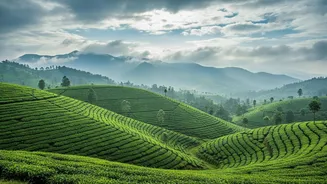
Collectively, these choices are reshaping what a monsoon holiday means in India. It's no longer just an opportunity to grab a discounted hotel room. It's evolving into a distinct travel season defined by a specific mood: quiet, green, and introspective. Travellers are seeking out the mist-covered hills of Kodaikanal, the lush backwaters of Alleppey, and the vibrant culture of Shillong, all of which come alive during the rains. These trips are often shorter and more frequent—so-called 'micro-cations' designed to offer a quick escape from routine and a chance to recharge in nature. The goal is not just to go on a holiday but to have a 'why-cation'—a trip motivated by a purpose, whether it's to de-stress, connect with friends, or simply do nothing at all.