


More Than a Meal, a Sacred Offering
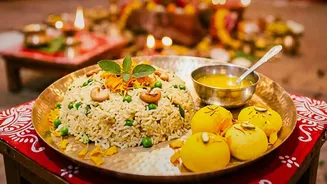
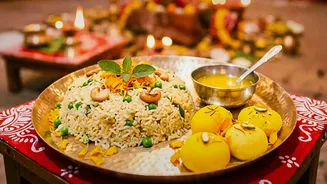
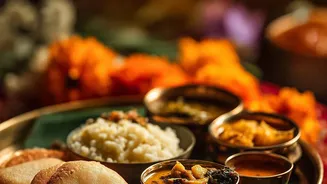
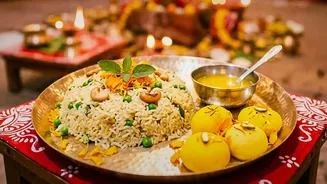
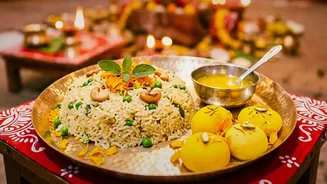
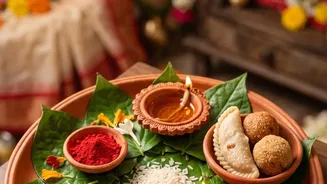
During Durga Puja, food transcends mere sustenance to become 'bhog'—a devotional offering to the goddess. This Bhoger Khichuri is first offered to Maa Durga before being distributed as 'prasad', a blessed meal shared among devotees. It embodies the spirit
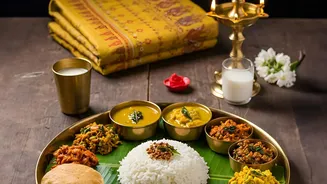
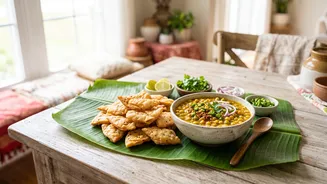
of the festival: community, equality, and faith. At pandals, people from all walks of life sit together, waiting for this steaming portion of khichuri, often served on traditional leaf plates. This act of sharing reinforces a sense of belonging and collective celebration that is the hallmark of 'Sarbojanin' or community Pujas. The entire process, from cooking to consumption, is a ritual that connects the individual to the divine and the community.
The Soul of the Khichuri: Rice and Dal
At the heart of any authentic Bhoger Khichuri are two key ingredients: Gobindobhog rice and Sonar Moong dal. Gobindobhog is a short-grained, aromatic rice native to Bengal, prized for the distinct, sweet fragrance it imparts to dishes like khichuri and payesh. Unlike long-grained basmati, its subtle perfume is considered essential for the classic flavour. The second hero ingredient is Sonar Moong dal (split yellow lentils), which is dry-roasted before cooking. This crucial step gives the dal a beautiful golden hue and a deep, nutty aroma that defines the taste of the bhog. The combination of this fragrant rice and roasted dal creates the comforting, soulful base of the dish.
A Sattvic Symphony of Spices and Vegetables
Bhoger Khichuri is traditionally a 'niramish' or vegetarian dish prepared without onions or garlic. This adheres to Sattvic dietary principles, which avoid ingredients believed to be 'rajasic' or 'tamasic' (stimulating passion or ignorance), making the food pure enough to be offered to a deity. Instead, the flavour comes from a gentle blend of whole and ground spices. A tempering of ghee with bay leaves, cinnamon, cloves, cardamom, and cumin seeds creates the foundational aroma. Ginger paste adds a warm pungency, while turmeric gives the khichuri its characteristic golden colour. A medley of seasonal vegetables like cauliflower, potatoes, and green peas is often added, lending sweetness and texture to the one-pot meal.
The Alchemy of Preparation
The magic of Bhoger Khichuri lies not just in its ingredients but in the careful, patient process of cooking it. After the dal is roasted and the rice is washed, they are often lightly fried in ghee before being added to the pot. The spices are bloomed in ghee or mustard oil to release their essential oils, followed by the vegetables and spice pastes. Everything is then slow-cooked together with ample water until the rice and dal break down into a creamy, porridge-like consistency, yet with the grains still discernible. A final flourish of ghee and a pinch of Bengali garam masala at the end elevates the dish, giving it a rich finish. While recipes vary slightly between households and communities, this dedication to each step is what transforms simple ingredients into a divine offering.