






An Industry Facing New Threats
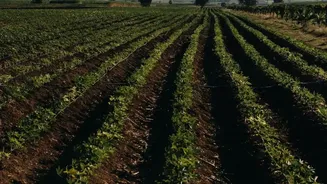
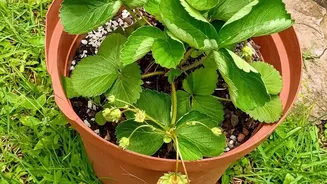
For generations, the cool climate and fertile soil of Mahabaleshwar have made it India's strawberry capital, responsible for about 85% of the country's total production. This GI-tagged industry supports thousands of families and is a major tourist draw.
However, the conditions that allowed this industry to flourish are becoming less reliable. Climate change is bringing erratic weather, from mild winters to unseasonal heatwaves and rainfall, which severely impacts the crop. Recent seasons have seen yields drop by as much as 40% due to high temperatures causing fruit to ripen prematurely, resulting in smaller, less flavorful berries. This volatility, combined with rising costs for labour and materials, puts immense pressure on farmers, most of whom are small-scale operators.
Turning to Science for Solutions
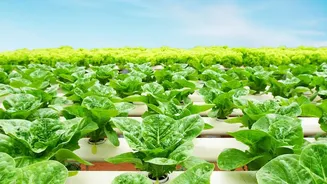
To combat these challenges, the focus is increasingly turning to scientific innovation. Agricultural research institutes are working to develop new, climate-resilient strawberry varieties that can better withstand temperature fluctuations and disease. One promising initiative involves a partnership between Mahatma Phule Krishi Vidyapeeth (MPKV) and the Bhabha Atomic Research Centre (BARC) to create India's first indigenous strawberry cultivar using low-dose gamma irradiation to induce favourable genetic mutations. In the more immediate term, scientists are providing farmers with standardised practices for planting schedules and fertiliser use tailored to Mahabaleshwar's changing conditions. Furthermore, larger farms are experimenting with protected cultivation methods like polyhouses and hydroponics, which use less water and protect crops from harsh weather, allowing for year-round cultivation.
Empowering the Small Farmer is Key
Scientific breakthroughs are only effective if they are accessible and affordable for the majority of growers, who are smallholders. The high initial investment for technologies like hydroponics or large-scale polyhouses remains a significant barrier for many. This is where farmer-centric support becomes crucial. The Mahabaleshwar Strawberry Growers Association has historically played a vital role in providing technical knowledge and market access. Today, Farmer Producer Organisations (FPOs) are taking this a step further. Some are investing in shared technology, such as AI-powered weather monitoring towers that advise farmers on the optimal time to spray their crops, preventing the waste of expensive chemicals. Others are exploring vertical farming techniques to dramatically increase plant density and output on the same plot of land, effectively multiplying the production footprint for small farms.
A Two-Pronged Path to a Sweeter Future
The challenges facing Mahabaleshwar's strawberry farmers are complex, with climate change acting as a significant disruptor to a sensitive crop. A single solution is unlikely to be enough. Instead, the future sustainability of this iconic industry appears to rest on a dual approach. Top-down scientific innovation must continue to deliver hardier plant varieties and more efficient farming techniques that are specifically adapted to local conditions. Simultaneously, bottom-up initiatives that empower small farmers are essential. This means ensuring that new technologies are scalable and affordable, improving access to credit and training, and strengthening farmer cooperatives that can pool resources and share risks and rewards. By integrating advanced agricultural science with a commitment to supporting the small farmer, Mahabaleshwar can work towards securing its sweet legacy for generations to come.