




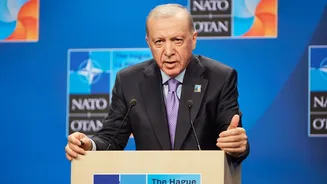


The COP31 climate conference in Antalya, Türkiye, has concluded not with a landmark deal, but with a palpable sense of disappointment from the United Nations. After two weeks of tense talks that ran into overtime, divisions proved too deep to bridge.
What Was Supposed to Happen?
Delegates from nearly 200 nations gathered for the summit, which ran from November 9 to 22, with high stakes. Building on previous conferences, the key goals were to accelerate global action on climate change. A central aim was to get countries to agree on a final 'cover decision', a political pact that would guide future efforts. On the table were crucial discussions about phasing out fossil fuels, boosting financial aid for developing nations to adapt to climate impacts, and setting clear, quantifiable global targets. Many hoped for a strong commitment to limit the overshoot of the 1.5°C global warming target, a threshold scientists warn is now certain to be temporarily exceeded.
Why the Disappointment? A Summit Collapse
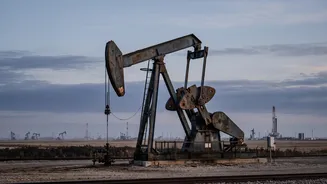
The talks collapsed on the final day, ending without an overarching agreement for the first time since COP15 in 2009. The main reason was an unbridgeable divide over the mention of fossil fuels. An early draft text called for an accelerated transition away from coal, oil, and gas. However, facing strong opposition from petro-states like Saudi Arabia and Russia, subsequent drafts removed any explicit mention of fossil fuels. This 'watered-down' text was ultimately rejected by the European Union, the United Kingdom, and many climate-vulnerable nations, who argued that a deal failing to name the primary cause of the climate crisis was unacceptable.
The UN Chief’s Damning Verdict
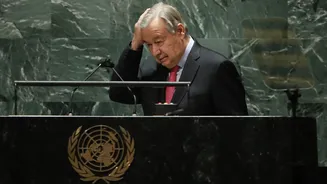
UN Secretary-General António Guterres was swift and direct in his criticism, stating he was 'deeply disappointed' with the outcome. He said that at a moment when the climate crisis is accelerating, governments failed to show the necessary ambition. 'We can't put out the fire while pouring fuel on it,' Guterres remarked, referencing the continued global addiction to fossil fuels. He stressed that the lack of consensus does not change the scientific facts: emissions remain dangerously high, temperatures are shattering records, and the window to act is closing fast. The failure, he implied, was a major setback in the global fight for climate justice.
Finance and Fairness: The Other Sticking Points
Beyond fossil fuels, the issue of climate finance remained a major point of contention. Developing countries, including India, forcefully argued that developed nations, who are historically responsible for the majority of emissions, have not provided adequate financial support. India's delegation, led by Environment Minister Bhupender Yadav, insisted that negotiations be guided by 'equity and climate justice'. There was a significant gap between the resources developing nations need to adapt and the funds actually being delivered, a point of friction that contributed to the breakdown in trust and the eventual collapse of the main agreement.
What Was India's Stance?
India played a significant role in the negotiations, championing the position of the Global South. Its key demand was for developed countries to honour their financial obligations and recognise their 'historical responsibility' for climate change. New Delhi also opposed prescriptive global targets that don't account for national circumstances, such as a proposed goal to make electricity 35% of final energy use by 2035, arguing it didn't distinguish between clean and fossil-based power. India's negotiators focused on securing a framework for a 'just transition' that includes financial and technological support, ensuring that climate action does not come at the cost of development and poverty eradication.
Was It a Total Failure?
While the failure to secure a main political agreement, the 'Antalya Pact', was a significant blow, the summit was not entirely without progress. Separate agreements were reached on several technical but important items, including the Just Transition Work Programme and the Global Goal on Adaptation. Furthermore, a voluntary pledge to boost global electrification saw around 80 countries sign on. However, these smaller wins were overshadowed by the central failure on fossil fuels and finance, leaving a heavy agenda and heightened pressure for the next summit, COP32, set to be held in Addis Ababa, Ethiopia.