



A Tale of Two Preservation Methods
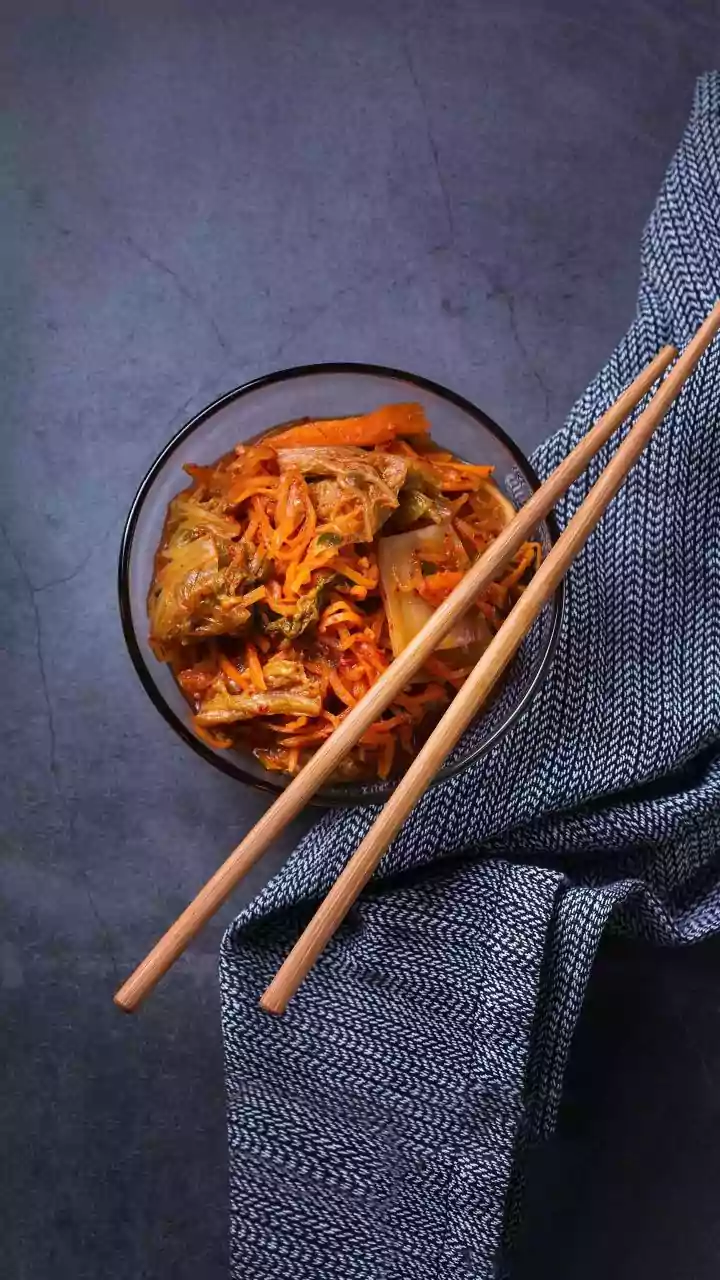
The fundamental difference between kimchi and pickles lies in how they are made. Kimchi is a product of lacto-fermentation. Vegetables, most famously napa cabbage, are salted to draw out water, then mixed with a vibrant paste. This paste is a complex
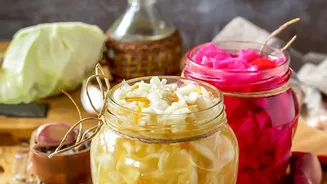
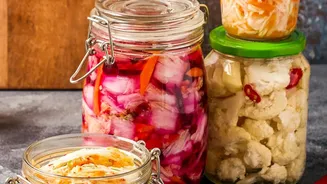
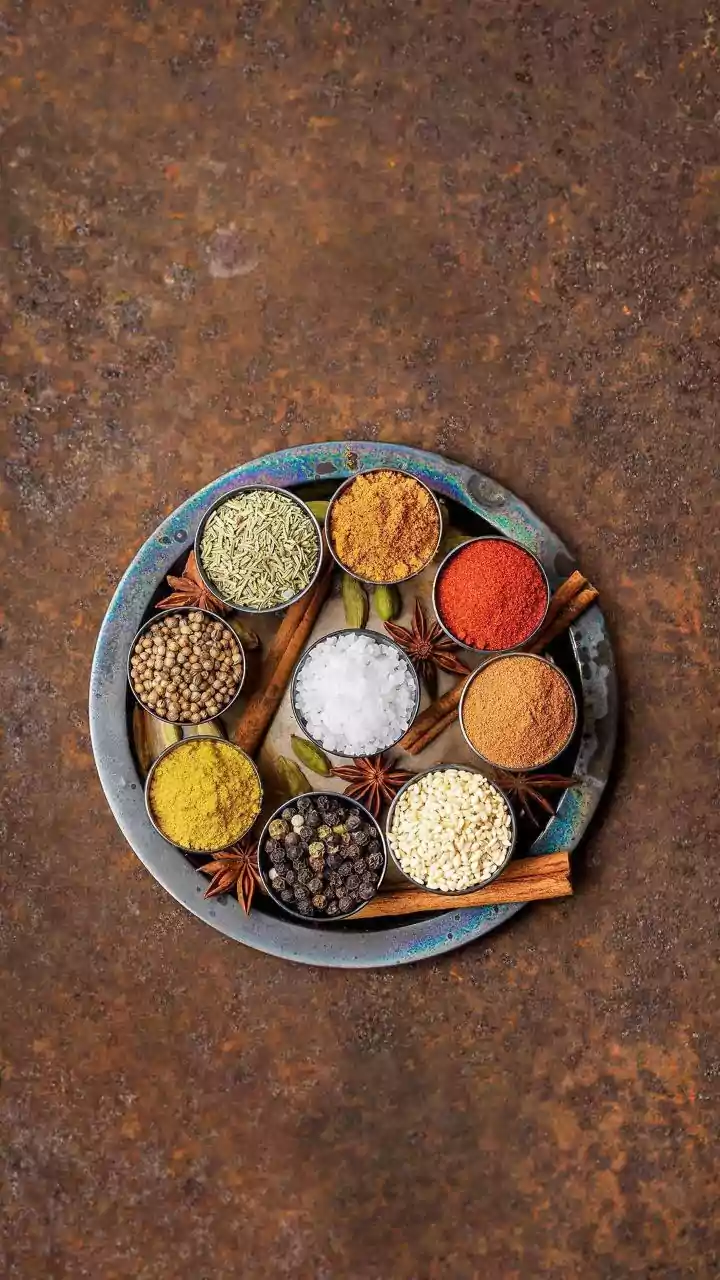
blend of ingredients like Korean chili powder (gochugaru), garlic, ginger, and often fish sauce or fermented shrimp for a deep, umami flavour. The mixture is then packed into airtight jars and left to ferment at room temperature, allowing natural lactic acid bacteria to work their magic. This process creates kimchi’s signature tangy, fizzy, and complex profile. Pickling, on the other hand, is a broader term. While some pickles are also fermented using a salt brine, many of the varieties found on supermarket shelves are simply preserved in a solution of vinegar, water, salt, and sugar. This vinegar-based method is quicker and results in a sour taste profile determined by the brine's acidity rather than by fermentation. So, while all kimchi is fermented, not all pickles are.
Deeply Rooted in Different Cultures
Kimchi is unequivocally Korean, a cornerstone of the nation's cuisine and identity. Its history stretches back thousands of years, born from the necessity of preserving vegetables for the harsh Korean winter. The tradition of kimjang—the communal making and sharing of kimchi in late autumn—is so integral to Korean culture that it's recognised as a UNESCO Intangible Cultural Heritage. It’s a dish that appears at nearly every Korean meal, serving as a vegetable side dish (banchan) that provides balance to rice and rich meats. The history of pickles is more widespread and ancient. Evidence of pickling dates back to Mesopotamia around 2400 BCE, with cucumbers from India being preserved in the Tigris Valley. From there, the practice spread across the globe, with different cultures developing their own unique traditions, from Eastern European dill pickles to German sauerkraut. Pickles arrived in America with European immigrants and became a staple, often sold from barrels on pushcarts in cities like New York.
A World of Flavour in Every Bite
The taste profiles of kimchi and pickles are worlds apart. Kimchi delivers a powerful symphony of flavours: spicy from the gochugaru, pungent from garlic and ginger, deeply savoury (umami) from fish sauce, and a tangy sourness from fermentation. Its texture can range from crisp to soft, depending on fermentation time. There are hundreds of varieties of kimchi, using different vegetables and seasonings, but they almost all share a complex, layered flavour. Pickles typically offer a more direct flavour profile, dominated by the sourness of vinegar and the taste of the primary herb, such as dill. They can be sweet, sour, or salty, but they generally lack the layered complexity and spicy kick of kimchi. Their defining characteristic is a crisp, crunchy texture and a sharp, acidic bite that acts as a refreshing counterpoint to rich foods.
On the Plate and In the Kitchen
In culinary terms, kimchi and pickles play very different roles. Kimchi is not just a condiment; it's a versatile ingredient. It's eaten as a side dish with almost everything, but it's also cooked into stews (kimchi-jjigae), fried with rice, and folded into savoury pancakes (kimchi-buchimgae). Its robust flavour can stand as the centrepiece of a dish. Pickles, in contrast, are most often used as a condiment or garnish. They add a crisp, acidic crunch to sandwiches, burgers, and salads. While there are exceptions, they are rarely the primary flavour component of a cooked dish. They exist to cut through richness and add a bright, sharp accent.
A Gut Feeling About Health
Both fermented kimchi and fermented pickles are celebrated for their health benefits, primarily due to their probiotic content. These beneficial bacteria support a healthy gut microbiome, which is linked to improved digestion and a stronger immune system. Kimchi, with its rich blend of garlic, ginger, and chili, also offers a boost of vitamins and compounds with anti-inflammatory properties. However, it's crucial to distinguish between fermented and vinegar-brined pickles. The latter, which are pasteurised with heat, do not contain live probiotics. While they still offer the nutritional benefits of the vegetables they're made from, they lack the gut-health advantages of their fermented counterparts.