
Chandni Chowk, Delhi: A Mughal-Era Feast
At the heart of Old Delhi lies Chandni Chowk, a chaotic and historic market that has been a culinary epicenter since the 17th century. Its narrow alleys tell stories of Mughal, Punjabi, and Marwari influences, creating a unique gastronomic tapestry. The
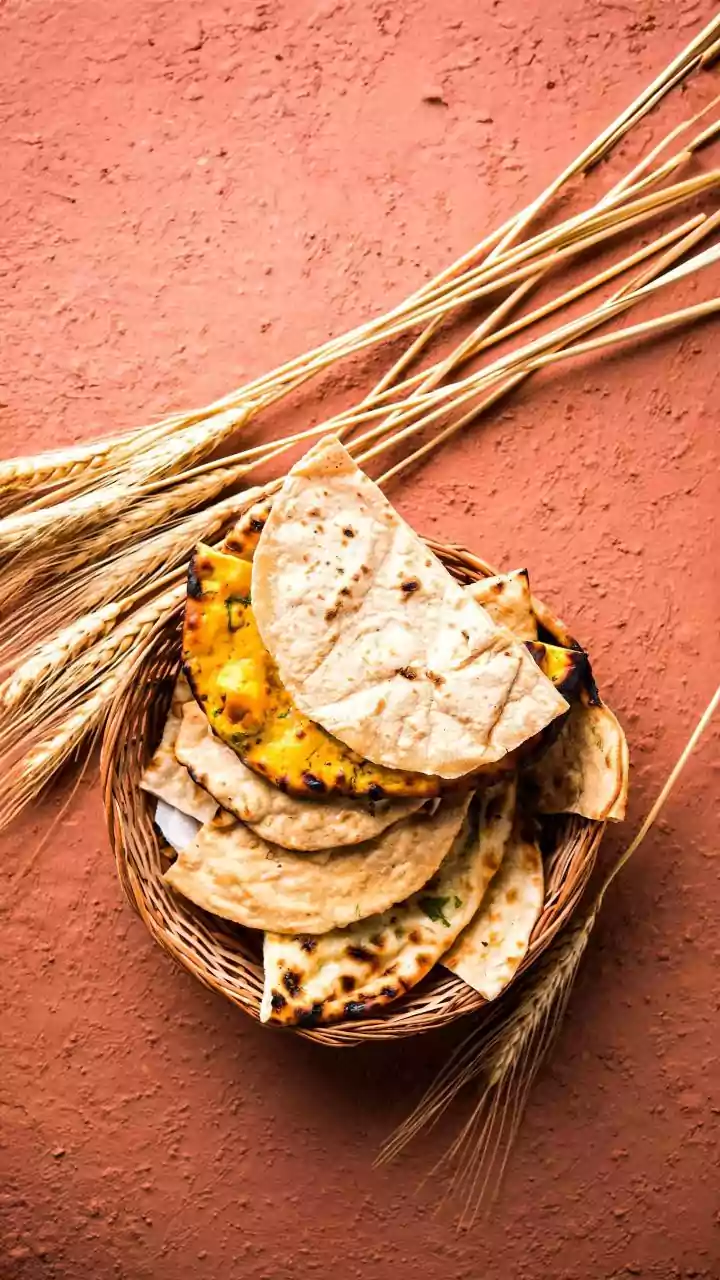
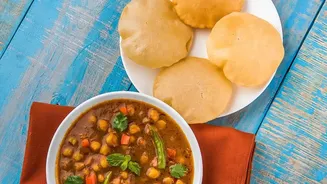
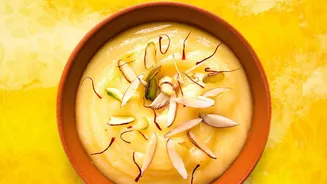
legendary Parathe Wali Gali is a must-visit, with its deep-fried flatbreads stuffed with everything from potatoes to crushed nuts, served with tangy pickles. Beyond the parathas, the area is a paradise for chaat lovers, with vendors serving up crispy aloo tikki and creamy dahi bhalla. For those with a sweet tooth, the iconic Old Famous Jalebi Wala offers giant, syrup-drenched jalebis, while nearby stalls serve the rich, milk-based dessert, rabri.
Mohammed Ali Road, Mumbai: The Nocturnal Carnivore's Paradise
While Mumbai has many food streets, Mohammed Ali Road transforms into an electrifying food carnival after dark, especially during Ramadan. The air is thick with the aroma of sizzling kebabs, rich curries, and sweet desserts. It's a meat lover's haven, where you can find succulent seekh kebabs, tender nalli nihari (slow-cooked meat stew), and flavourful mutton keema rolls. Legendary eateries like Shalimar and Noor Mohammadi Hotel serve Mughlai delicacies that have been perfected over decades. To end the feast, head to Suleman Usman Mithaiwala for their famous aflatoon or a decadent malpua topped with rabri, a sweet pancake-like dessert that is a local favourite.
Park Street, Kolkata: Colonial Charm and Culinary Fusion
Known as the 'street that never sleeps,' Kolkata's Park Street offers a different kind of food heritage, steeped in colonial history. Once the hub of European grandeur and nightlife, its restaurants and tearooms shaped the city's culinary identity by blending European, Anglo-Indian, and Bengali flavours. Iconic establishments like Flurys, founded in 1927, introduced Kolkata to elegant European tearoom culture with its classic English breakfasts and pastries. While it’s more known for its legendary sit-down restaurants like Mocambo and Peter Cat, the area's influence defines Kolkata's street food, particularly the famous kathi roll—a skewer-roasted kebab wrapped in a paratha that originated here.
Hazratganj, Lucknow: A Taste of Nawabi Legacy
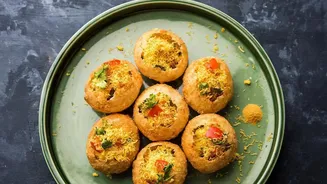
The food in Lucknow is a reflection of its royal Awadhi past, and Hazratganj, the city's upscale heart, is where this Nawabi elegance is served on the streets. While the area is known for its shopping, it's also a food lover's paradise. Here, you can find legendary dishes like the melt-in-your-mouth galouti kebabs and tunday kebabs, which carry the legacy of the city's royal kitchens. For a different kind of indulgence, Shukla Chaat House is an iconic spot for authentic Lucknowi chaat, including their famous matar ki tikki (pea patties). Another must-try is the 'basket chaat' from Royal Café, a large, edible basket made of fried potatoes filled with a variety of tangy and spicy ingredients.
Sarafa Bazaar, Indore: The Market That Never Sleeps
Indore's Sarafa Bazaar offers one of the most unique street food experiences in India. By day, it’s a bustling jewellery market, but as night falls, it transforms into a vibrant, open-air food court. This tradition started over a century ago as a way to secure the jewellery shops at night, and it has since become a legendary destination for vegetarian street food. The market is famous for local Indori specialties that you won't find elsewhere. Must-try dishes include Bhutte ka Kees, a creamy dish made from grated corn cooked with milk and spices, and Garadu, deep-fried yam tossed in a special masala. The 'Joshi Dahi Bada House' is also famous for its theatrical preparation of dahi badas.