






More Than Just a Squeeze of Lime
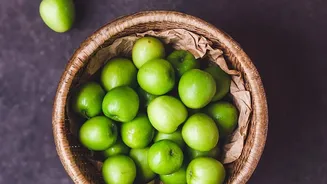
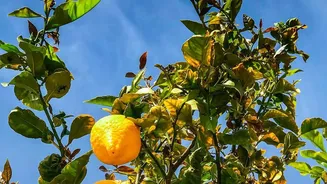
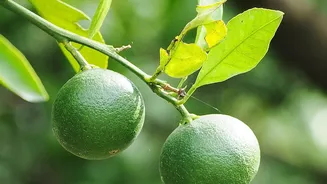
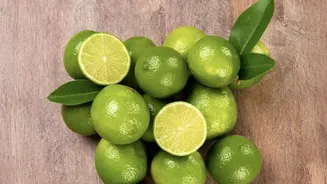
At first glance, the Indi Lime might not seem extraordinary. But this small, potent fruit, native to the arid landscapes of Vijayapura in Karnataka, is a powerhouse of flavour and history. It belongs to the 'Kagzi' variety, a name derived from 'kaagaz'
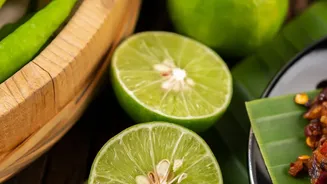
or paper, alluding to its famously thin rind. This delicate skin encases an exceptionally juicy pulp, with a strong aroma and a perfect balance of acidity that has made it a local culinary star for generations. In 2023, its unique qualities were officially recognised when it was granted a Geographical Indication (GI) tag. This tag is a legal acknowledgment that the Indi Lime's distinct character—its taste, texture, and high juice content—is directly tied to the specific soil and climate of the Vijayapura region. It's a stamp of authenticity, a promise that you are tasting something that could not be grown anywhere else.
Lesson One: Seek the Local Story
The first lesson the Indi Lime teaches is to look for the local legends. Every region in India has its own hero product, a specific crop, craft, or recipe that tells the story of the place. For a traveller, the GI tag is a treasure map. It points you towards these authentic experiences. Instead of settling for generic five-star fare, the Indi Lime encourages you to ask: What grows here? What do local people cherish? Seeking out GI-tagged products, whether it's Nagpur's oranges, Coorg's coffee, or Vijayapura's lime, connects you to the 'terroir' of a destination. It’s a sensory way to understand the local ecology and economy. Buying an Indi Lime from a market in Vijayapura is more than a transaction; it is an interaction with the agricultural soul of the district, which accounts for nearly 58% of Karnataka's entire lime production.
Lesson Two: Follow the Mark of Authenticity
In a world of mass production, the GI tag is a traveller's best friend. It acts as a guarantee of quality and a direct line to supporting local communities. When you choose a GI-tagged product, your money is more likely to reach the farmers and artisans who are the custodians of that tradition. This simple consumer choice becomes a powerful act of sustainable tourism. It helps protect traditional knowledge, prevent imitation, and gives rural producers a fair price for their unique expertise. So the next time you are shopping for souvenirs, skip the mass-produced trinkets and look for the GI logo. You’ll be investing in the preservation of a region's cultural and agricultural heritage, ensuring these traditions thrive for generations to come.
Lesson Three: Taste the History on Your Plate
The Indi Lime also teaches us that food is a living museum. While there's no definitive proof, historians believe lime cultivation was encouraged in the region during the 15th-century rule of the Adil Shahi dynasty, whose magnificent monuments still define Vijayapura's skyline. Limes are a staple in local cuisine, used in pickles, sharbats, and to brighten savoury dishes. This connection between a simple fruit and a powerful dynasty is a reminder to travellers to always connect food to history. As you explore architectural marvels like the Gol Gumbaz or Ibrahim Rauza, think about the flavours that fuelled the kingdom. Ask questions about the local cuisine. Why is this ingredient so prevalent? How have historical events shaped the way people eat? This curiosity transforms a simple meal into an insightful history lesson.
Lesson Four: Embrace a Slower, Deeper Pace
Finally, the Indi Lime, a product of its patient environment, is an advocate for slow travel. Its story is not one of speed, but of deep roots in a specific place. This is a powerful metaphor for how we should explore. Instead of rushing between sights on a tight schedule, the lime encourages us to slow down. Linger in a bustling local bazaar, watch the world go by from a small tea stall, or try a local delicacy without knowing exactly what it is. Vijayapura's magnificent monuments will always be there, but the real magic of travel often lies in the unscripted moments. It's in the conversation with the vendor who explains why his limes are the best, the aroma of a freshly cut lime in your drink, and the realisation that the essence of a place is often found in its simplest pleasures.