






The Link Between Heat and Health
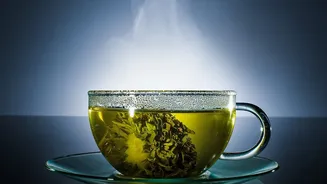
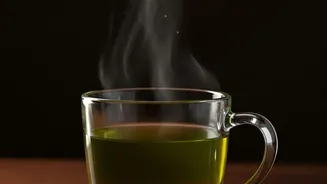
The comforting warmth of chai is one of its greatest appeals, but extreme heat can be problematic. The International Agency for Research on Cancer (IARC), a part of the World Health Organization, has classified drinking 'very hot' beverages—above 65°C—as
a probable cause of oesophageal cancer. It's crucial to understand that the risk is not from the tea itself, but from the temperature. The chemical compounds in tea are not the concern; rather, the issue is the thermal injury that scalding liquids can inflict on the delicate lining of your oesophagus, the muscular tube connecting your throat to your stomach. Repeatedly exposing this tissue to extreme heat can cause chronic inflammation and damage to the cells.
How Hot Is 'Too Hot'?
So what does 65°C feel like? For reference, water boils at 100°C. Most tea is brewed at temperatures between 80°C and 100°C. A freshly poured cup of chai is often well above the 65°C threshold. While there's no exact formula, a practical guide is to wait. If the cup is too hot to hold comfortably, the liquid inside is almost certainly too hot to drink safely. The ideal drinking temperature, where the risk of scalding is low and flavour is still optimal, is generally considered to be below 60°C. Studies have shown that people in regions with higher rates of oesophageal cancer often have a cultural habit of drinking their beverages at temperatures around 70°C or higher.
The Mechanism of Injury
Imagine spilling a few drops of boiling water on your skin; it stings and turns red. Now, imagine doing that repeatedly to the same spot every day. This is essentially what happens inside your oesophagus when you consistently drink scalding liquids. The heat causes a thermal injury, a type of burn, to the cells lining the tube. Your body constantly works to repair this damage by replacing the injured cells. However, this rapid, repeated cell turnover increases the chances of errors during cell division. Over many years, these errors can lead to mutations that may eventually become cancerous. This specific type of cancer linked to thermal injury is called oesophageal squamous cell carcinoma (ESCC).
Amplifying the Risk Factors
While drinking very hot liquids is a risk factor on its own, its effect can be significantly amplified when combined with other habits like smoking and alcohol consumption. Research has shown that individuals who drink very hot tea daily and also smoke or drink alcohol regularly face a much higher risk of developing oesophageal cancer than those who do only one of these things. The combination of thermal injury from hot liquids and the chemical damage from tobacco and alcohol creates a highly detrimental environment for the cells of the oesophagus, accelerating the potential for harmful changes. It's a compounding effect where the total risk is greater than the sum of its parts.
A Guide to Safer Sipping
The good news is that reducing this risk is simple and doesn't require giving up your favourite brew. It’s about cultivating mindfulness. 1. Let It Cool: The easiest step is to simply wait a few minutes after pouring your chai. Allow the steam to dissipate and the temperature to drop to a level that is warm, not scalding. A four-to-five-minute wait can make a significant difference. 2. The Lip Test: Before taking a large gulp, take a small, tentative sip to test the temperature. If it burns your lips or tongue, it's definitely too hot for your oesophagus. 3. Add Milk or Cool Water: Adding a splash of milk or a little bit of cool water can quickly bring the overall temperature down to a safer level. 4. Avoid Gulping: Sipping slowly not only lets you savour the flavour but also gives the liquid more time to cool before it travels down your throat. Be patient with your cup.