


Røros, Norway: A Living Mining Town
Step back in time in Røros, a former copper mining town so well-preserved it's a UNESCO World Heritage site. For 333 years, from 1644 to 1977, the town's existence was defined by the mine. Today, its streets are lined with around 2,000 historic one and
two-storey wooden houses, creating a unique architectural landscape 600 meters above sea level. The town isn't a sterile museum; it’s a vibrant community where artisans, craftspeople, and local food producers fill the old courtyards with new life. Visitors can explore the legacy of the mines and the smelting house, gaining a deep appreciation for the industrial heritage that shaped this resilient community in the Trøndelag region.
Visby, Sweden: Medieval Walls and Roses
On the Swedish island of Gotland sits Visby, often called one of the best-preserved medieval cities in Scandinavia. Its most striking feature is the 3.4 km long stone wall that still encircles the old town center, a relic of its past as a powerful Hanseatic trading hub. Since 1995, Visby has been a UNESCO World Heritage Site, celebrated for its cobblestone streets, church ruins, and merchants' dwellings dating back to the 12th and 13th centuries. Nicknamed 'The City of Roses', its charm is amplified by the flowers that climb over the ancient stone facades in the summer. Wandering through Visby is like walking through a storybook, offering a tangible connection to Northern Europe's rich medieval history.
Ærøskøbing, Denmark: A Fairytale Island Town
Often called the 'Fairytale Town', Ærøskøbing on the island of Ærø is perhaps the most idyllically preserved 18th-century town in Denmark. With its narrow cobbled streets, colourful houses with climbing hollyhocks, and a history stretching back over 750 years, the town is a masterclass in conservation. Strict preservation orders have kept its character intact, allowing visitors to experience an atmosphere that feels largely unchanged for centuries. This isn't just a pretty facade; it's a living town where you can follow the night watchman on his evening rounds or visit a market square that has transformed from a car park into a thriving community hub. The town's dedication to preserving its heritage even earned it the prestigious Europa Nostra prize.
Porvoo, Finland: Red Warehouses and Imperial History
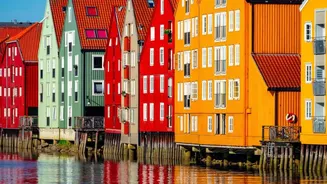
Just an hour from Helsinki, Porvoo offers a journey into Finland's past as its second oldest town. Its most iconic sight is the row of red-painted wooden warehouses lining the Porvoonjoki River. Originally painted red in the late 18th century to honor a visit from the Swedish King, they are now a beloved national landscape. The Old Town is a maze of cobblestone streets and colourful wooden houses, dominated by the 15th-century Porvoo Cathedral on a hill. Porvoo also played a pivotal role in Finnish history; it was here in 1809 that the Diet of Porvoo was convened, establishing Finland as an autonomous Grand Duchy of Russia and paving the way for its eventual independence.
Reine, Norway: Arctic Beauty in Lofoten
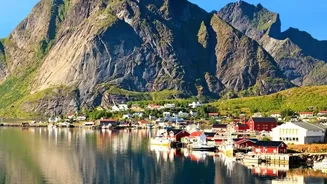
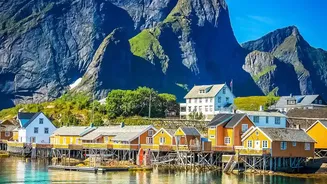
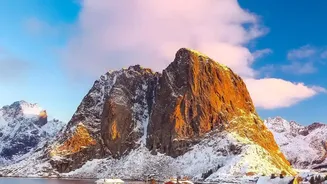
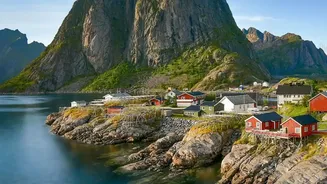
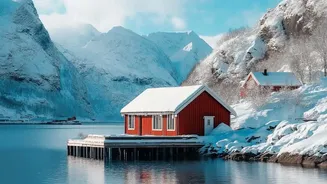
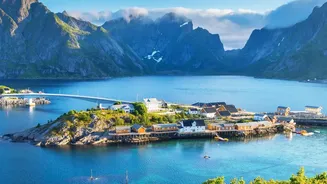
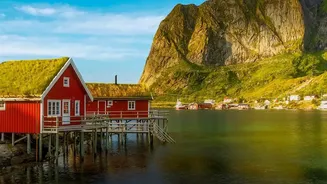
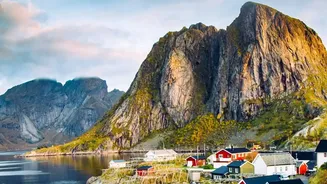
For a taste of raw, dramatic Nordic nature, look no further than Reine. Located on the island of Moskenesøya in the stunning Lofoten archipelago, this tiny fishing village is often cited as one of the most beautiful places in the world. Its iconic red fishermen's cabins, known as 'rorbuer', stand in stark contrast to the deep blue of the fjord and the jagged granite peaks that rise directly from the sea. With a population of only around 300 people, Reine retains the authentic feel of a working fishing village. It serves as a gateway for exploring the wild beauty of the Arctic, offering everything from challenging hikes up Reinebringen for panoramic views to simply soaking in the otherworldly light of the midnight sun or the northern lights.