









The Return of an Icon
For over a decade, the sight of a polished, open-gated manual shifter inside a new Ferrari has been the stuff of dreams for driving purists. The last prancing horse to leave the factory with three pedals was the 599 GTB in 2012. Since then, the relentless
pursuit of speed has meant a universal shift to lightning-fast dual-clutch transmissions (DCTs) operated by paddles. But in a nod to overwhelming customer demand, Ferrari has unveiled the 12Cilindri Manuale, a special edition car that brings the beloved shifter and clutch pedal back to its V12 flagship. However, this is no simple exercise in nostalgia. Instead of dusting off old blueprints, Ferrari has developed a system that seeks to blend the soul of the past with the performance of the present.
Manual by Wire, Not by Rod
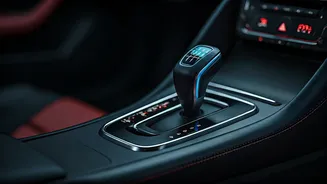
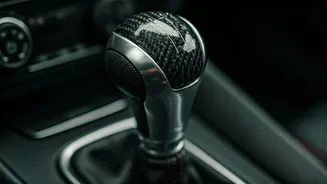
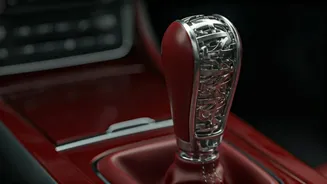
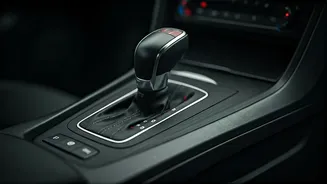
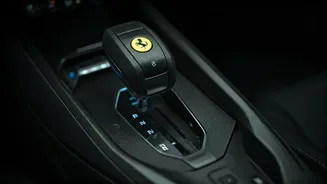
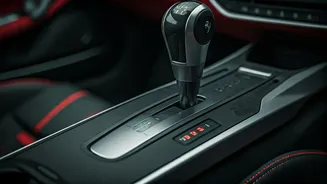
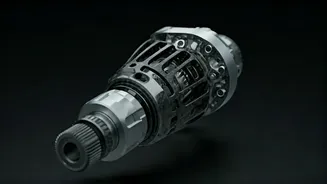
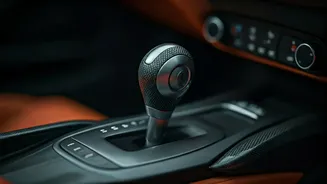
At the heart of the 12Cilindri Manuale lies a clever piece of engineering called 'Manuale By-Wire'. Outwardly, it has all the hallmarks of a classic setup: a beautiful aluminium H-pattern gate for six speeds and a clutch pedal in the footwell. But beneath the surface, there is no physical linkage connecting the controls to the transmission. Instead, the system is layered on top of the car's standard eight-speed DCT. When the driver presses the clutch or moves the shifter, sensors translate those physical inputs into electronic signals that command the automated gearbox. This innovative approach allowed Ferrari to retain the full, untamed 819 horsepower of the naturally aspirated V12 engine, an output that a traditional mechanical manual couldn't handle without significant compromises to performance.
An Authentic Simulation
The immediate question for enthusiasts is whether this high-tech solution feels authentic or synthetic. Ferrari has invested considerable effort to ensure it's the former. The company developed advanced kinematic mechanisms to replicate the precise feelings of a mechanical system. The clutch pedal is intentionally heavy, requiring significant force and providing feedback to help the driver find the biting point. The shifter itself has been engineered to provide the weighted, tactile 'clink-clank' sensation that made Ferrari's old gates so famous. The simulation is so convincing that drivers can even make mistakes; if you release the clutch too quickly or try to pull away in the wrong gear, you can stall the engine, just like in a traditional manual car.
The Best of Both Worlds?
This manual-by-wire system is ultimately a compromise, but a very intelligent one. The reality is that modern dual-clutch transmissions shift faster and more efficiently than any human ever could, which is why they became standard in the world of high performance. Offering a true mechanical manual would have meant creating a slower, less capable supercar, something Ferrari's performance-first DNA wouldn't allow. The Manuale instead offers two distinct personalities in one car. The driver can choose the immersive, engaging experience of rowing through the first six gears themselves. But for high-speed cruising or when stuck in traffic, the car can be switched back to a fully automatic mode, with the transmission seamlessly handling all eight of its gears.
A Bridge Between Past and Future
The 12Cilindri Manuale is more than just a car; it's a strategic statement. As the automotive world marches toward an electric and autonomous future, the very concept of driver engagement is becoming a luxury commodity. By creating this system, Ferrari is catering to the emotional desires of its most passionate clients, acknowledging that for many, the experience of driving is as important as the raw performance figures. It's a limited-edition model, with only 1,499 units planned, making it an exclusive offering for dedicated collectors. This reimagined gearbox serves as a fascinating bridge, preserving the ritual and romance of manual shifting while fully embracing the technological capabilities of the 21st century.