


Plan Your Meals Weekly
The first step to conquering solo cooking is to stop improvising every night. Before you shop, sketch out a rough plan for your week's meals. This isn't about rigid scheduling, but creating a framework to guide your grocery run. Knowing you need chicken
for a stir-fry on Tuesday and a salad on Thursday prevents overbuying and the classic 'what's for dinner?' panic. A good plan uses overlapping ingredients. For example, a bunch of spinach can be used in a morning omelette, a lunchtime salad, and a side for dinner, ensuring nothing wilts in the crisper.
Shop Smarter, Not Bigger
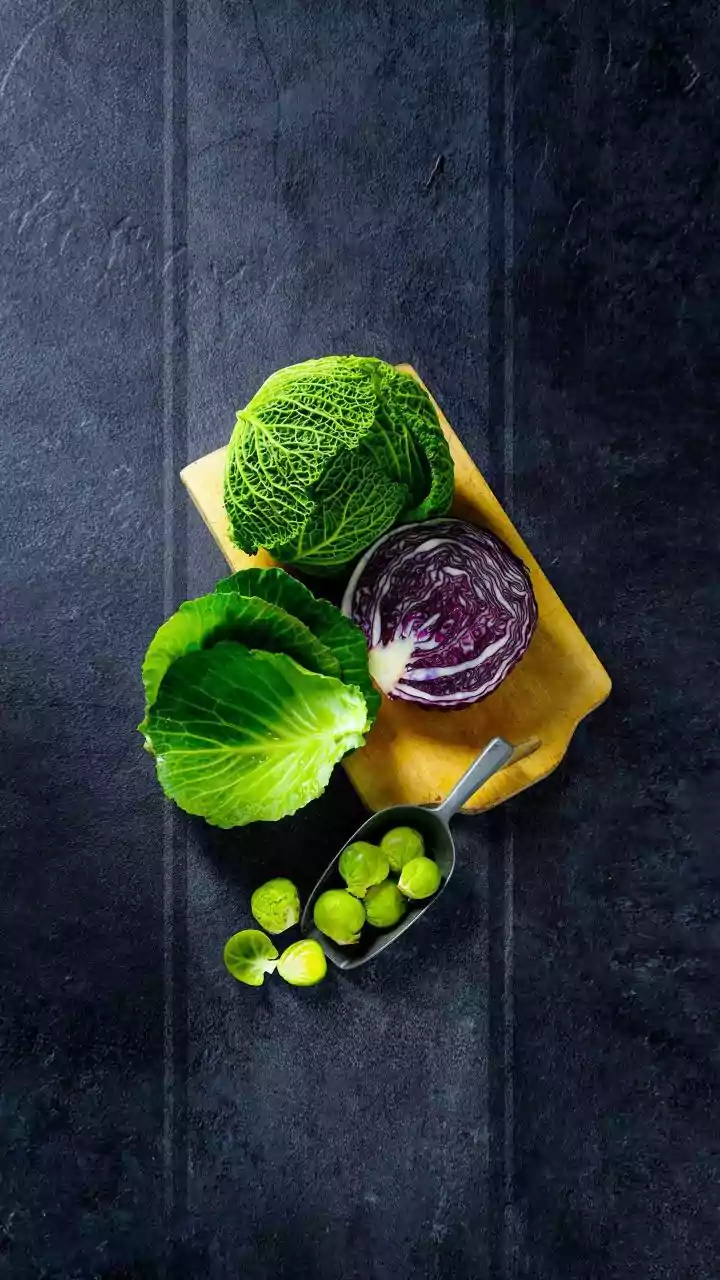
Grocery stores often cater to families, with large packages and bulk deals that lead to waste for a single person. To combat this, become a strategic shopper. When possible, buy loose vegetables and fruits so you can get the exact quantity you need. Make the bulk bins your friend for items like grains, nuts, and spices. If you must buy a larger pack of meat or fish, portion it out as soon as you get home. Divide chicken breasts or fish fillets into individual freezer bags. This 'pre-portioning' saves time later and prevents you from having to thaw a giant block for a single meal.
Master the Half-Batch
Most online recipes are designed to serve four to six people. While you could eat the same meal all week, a better strategy is to learn how to scale recipes down. For many dishes, like soups, stews, and casseroles, you can simply halve all the ingredients. Keep some smaller cookware on hand, such as a small skillet or a 2-quart saucepan, which helps with portion control and ensures even cooking for smaller amounts. When baking, things can be trickier with odd egg measurements. Look for recipes specifically designed for one or two people to avoid complicated conversions.
Make Your Freezer Your Best Friend
Your freezer is the single most powerful tool against food waste and cooking fatigue. Many solo cooks adopt a 'cook once, eat twice' philosophy by freezing leftovers immediately. Soups, curries, chillies, and pasta sauces all freeze beautifully. Invest in single-serving containers or freezer-safe bags. Pro tip: freeze liquids like soup or sauce in muffin tins or ice cube trays, then transfer the frozen pucks to a larger bag. This allows you to grab the exact portion you need. Always label everything with the dish and the date.
Build a Flavour-Packed Pantry
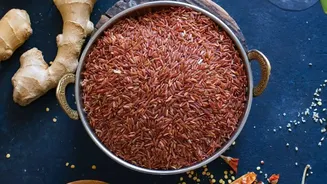
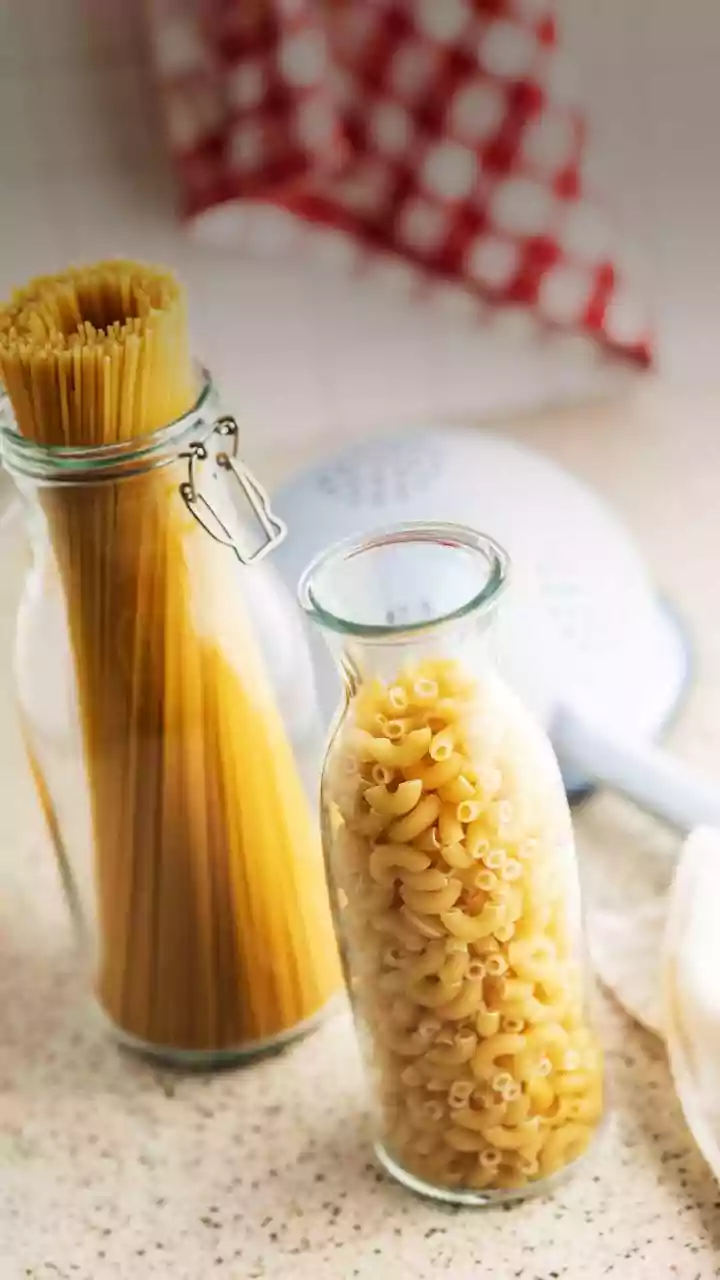
A well-stocked pantry is crucial for making interesting meals without having a fridge full of expiring produce. Focus on versatile, long-lasting ingredients that pack a punch. Keep a good selection of spices, dried herbs, and flavour pastes like miso, gochujang, or curry paste. Canned goods like tomatoes, beans, and lentils are foundational. Have a few types of grains (rice, quinoa, pasta) and good quality oils and vinegars on hand. With these basics, you can easily transform a simple protein or vegetable into a complete, satisfying meal without a last-minute trip to the store.
Get Creative With Leftovers
Think of leftovers not as a repeat meal, but as an ingredient for a new one. That piece of roasted chicken from last night can be shredded into a wrap for lunch or become the star of a 'kitchen sink' fried rice. Roasted vegetables can be blended into a soup or tossed with pasta. Having this mindset reduces waste and makes your cooking more dynamic. A 'use it or lose it' shelf in your fridge can also be a helpful reminder to get creative with ingredients that are nearing their end.